THE ADVENTURE COLLECTIVE® · Independent discovery and booking for outdoor travel

Spend a day driving Crete’s western coast to Elafonissi — a shallow, pink‑tinted beach — and sample world‑renowned Cretan thyme honey in traditional villages. This private full‑day tour pairs seaside time with cultural tasting stops and easy walking.
Spend a day driving Crete’s western coast to Elafonissi — a shallow, pink‑tinted beach — and sample world‑renowned Cretan thyme honey in traditional villages. This private full‑day tour pairs seaside time with cultural tasting stops and easy walking.
Salt air hits the windows before the bus threads up and over the island’s western ridges — the road unwinds through olive groves and limestone spines, then drops toward a low pink sand shelf where the sea keeps its colors shallow and sudden.
Verified experiences and guided adventures in the surrounding area.
Operated by Εδέμ · Elafonissi, Crete
Salt air hits the windows before the bus threads up and over the island’s western ridges — the road unwinds through olive groves and limestone spines, then drops toward a low pink sand shelf where the sea keeps its colors shallow and sudden.
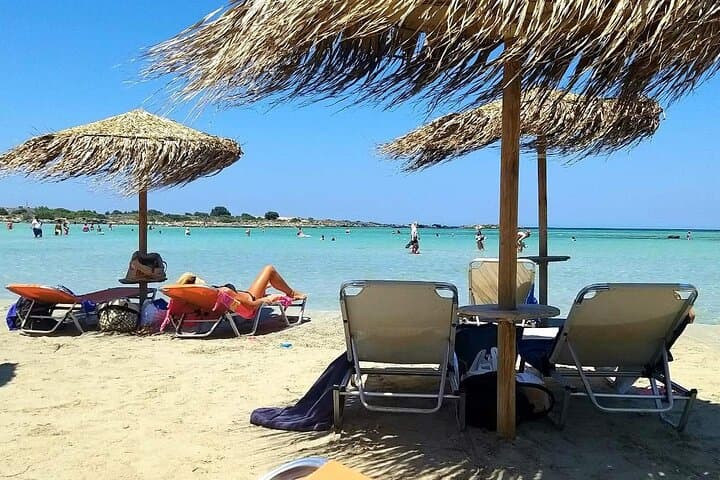
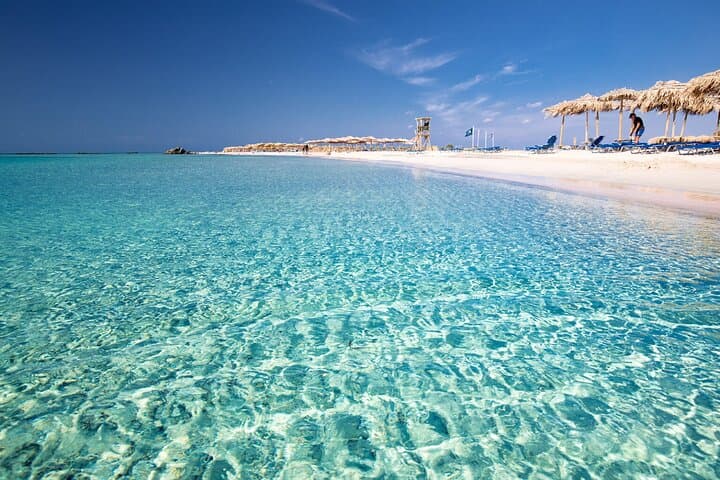
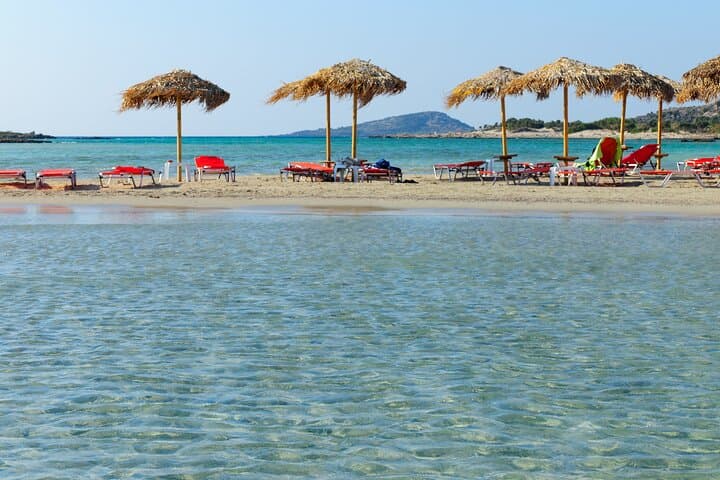
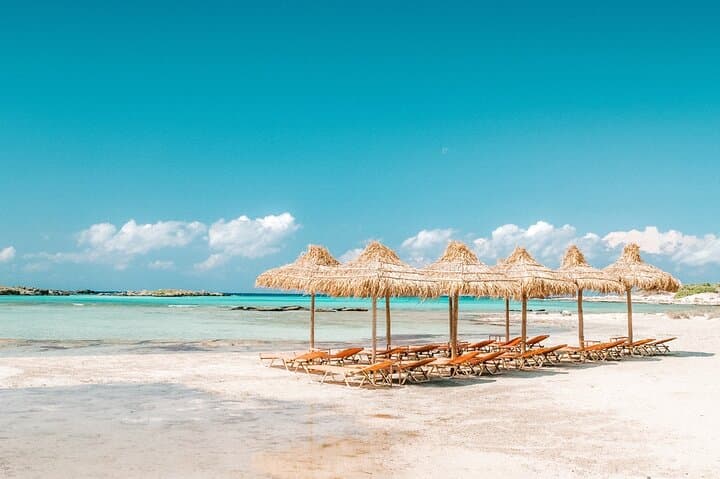
Elafonissi sits about 80 km southwest of Chania and is famous for a narrow sandbar that links a tiny islet to the mainland; waist‑high water (20–60 cm) laps across a 150–250 m crossing that you can stroll when the tide allows. The shore is largely composed of crushed shells and quartz, giving the beach its pale, slightly rose hue. Nearby villages like Kandanos keep older Cretan rhythms alive: stone houses, small cafes, and local honey produced from thyme and endemic shrubs that grow on the island’s dry slopes.
Geology here is coastal sediment and marine shelly deposits; the area’s relative isolation preserved endemic flora that bees feed on, producing Cretan thyme honey with a distinct aromatic profile. Culturally, this is rural Crete — expect straightforward hospitality, simple tavernas, and a cuisine centered on olive oil, fresh fish, and local cheeses.
Practical guidance: the tour runs roughly 11 hours door‑to‑door from Chania. You’ll spend several hours on the beach (bring reef shoes for the shelly sand) and there’s an hour at a honey producer with tasting. Roads are winding; motion‑sick bags help. Sunscreen and a shade option are essential in summer; spring and autumn offer cooler, more comfortable conditions. If you want quieter shorelines, aim for early arrivals or the smaller coves on the south side of Elafonissi.
easy.
11 hours (full day).
Suitable for most fitness levels — moderate standing and short walks on sand; no sustained climbing.
Expect roughly 80 km each way and about 1.5–2 hours of driving each direction depending on traffic and stops along the route.
Yes — the isthmus is shallow (20–60 cm) in many spots, but currents and tides change; wear water shoes and avoid going out on rough sea days.
Bottled water and private transportation are included; honey tasting is part of the itinerary but a full restaurant lunch may be at your own expense unless stated otherwise by the operator.
Yes — the operator notes infant seats are available and the tour is suitable for all fitness levels, but bring shade and sun protection for young children.
The wider region saw Ottoman and Venetian influence; small villages like Kandanos retain stone architecture and agricultural practices that echo older Cretan rural life.
Elafonissi is a protected area with fragile dune and shell deposits — stick to marked paths, avoid removing shells, and respect signage to limit erosion and habitat disturbance.
Εδέμ operates guided outdoor trips and adventures with an emphasis on safety, stewardship, and memorable experiences.
Salt air hits the windows before the bus threads up and over the island’s western ridges — the road unwinds through olive groves and limestone spines, then drops toward a low pink sand shelf where the sea keeps its colors shallow and sudden.
Salt air hits the windows before the bus threads up and over the island’s western ridges — the road unwinds through olive groves and limestone spines, then drops toward a low pink sand shelf where the sea keeps its colors shallow and sudden.
Elafonissi sits about 80 km southwest of Chania and is famous for a narrow sandbar that links a tiny islet to the mainland; waist‑high water (20–60 cm) laps across a 150–250 m crossing that you can stroll when the tide allows. The shore is largely composed of crushed shells and quartz, giving the beach its pale, slightly rose hue. Nearby villages like Kandanos keep older Cretan rhythms alive: stone houses, small cafes, and local honey produced from thyme and endemic shrubs that grow on the island’s dry slopes.
Geology here is coastal sediment and marine shelly deposits; the area’s relative isolation preserved endemic flora that bees feed on, producing Cretan thyme honey with a distinct aromatic profile. Culturally, this is rural Crete — expect straightforward hospitality, simple tavernas, and a cuisine centered on olive oil, fresh fish, and local cheeses.
Practical guidance: the tour runs roughly 11 hours door‑to‑door from Chania. You’ll spend several hours on the beach (bring reef shoes for the shelly sand) and there’s an hour at a honey producer with tasting. Roads are winding; motion‑sick bags help. Sunscreen and a shade option are essential in summer; spring and autumn offer cooler, more comfortable conditions. If you want quieter shorelines, aim for early arrivals or the smaller coves on the south side of Elafonissi.