THE ADVENTURE COLLECTIVE® · Independent discovery and booking for outdoor travel

Enter a cool world of needle-like speleothems and century-old mining galleries at El Soplao, then climb to the Pechón viewpoint to watch the Tina Menor estuary meet the sea. This small-group guided visit pairs geology with coastal panoramas.
Enter a cool world of needle-like speleothems and century-old mining galleries at El Soplao, then climb to the Pechón viewpoint to watch the Tina Menor estuary meet the sea. This small-group guided visit pairs geology with coastal panoramas.
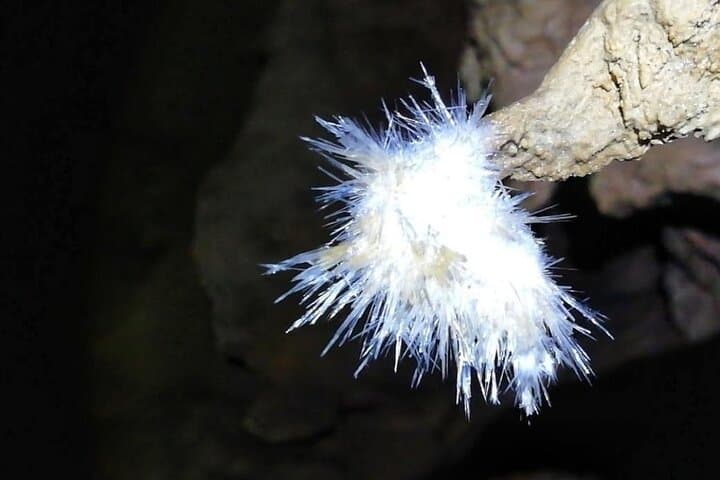
You step from the scrubby Cantabrian hillside into a cool, mineral-lit corridor where air feels deliberate and slow. Stalactites and delicate helictites lean and curl as if the cave itself is rearranging its breath; the guide’s light sketches textures that took millennia to form. Outside, the coast unfurls — the Tina Menor estuary glints where river meets sea, a contrast of salt and limestone.
Verified experiences and guided adventures in the surrounding area.
Operated by EXPLORING CANTABRIA · Valdáliga, Cantabria
You step from the scrubby Cantabrian hillside into a cool, mineral-lit corridor where air feels deliberate and slow. Stalactites and delicate helictites lean and curl as if the cave itself is rearranging its breath; the guide’s light sketches textures that took millennia to form. Outside, the coast unfurls — the Tina Menor estuary glints where river meets sea, a contrast of salt and limestone.
El Soplao is valued for its rare speleothems and its links to early 20th-century mining that exposed hidden galleries. Geologically, this karst system preserves layers of sediment and crystal growth that speleologists prize; culturally, the cave sits in Cantabria, a region shaped by coastal fishing and inland pastoral communities.
The visit is a one-hour guided walking tour inside the cave followed by a short stop at the Pechón viewpoint over the Tina Menor estuary. Expect firm paths, modest steps and stable artificial lighting; the cave’s microclimate is steady — cool and humid year-round. Groups are small (max 8) and tours are typically in Spanish, with local guides who can point out formation names and mining traces.
Practical notes: wear sturdy shoes and a mid-layer, keep hands off formations, and bring a compact camera (no flash if requested). Transit between Santander and the cave takes under two hours by road; allow time for narrow rural roads and variable coastal weather. Hydrate before the visit, and plan the rest of the day for coastal viewpoints or a short coastal walk to fully appreciate the Tina Menor estuary.
easy.
4–5 hours.
Suitable for most fitness levels; requires standing and walking on stairs/uneven cave paths for about an hour
The guided cave portion lasts about one hour and follows a marked path with some stairs; total tour time including transport and the viewpoint is roughly 4–5 hours.
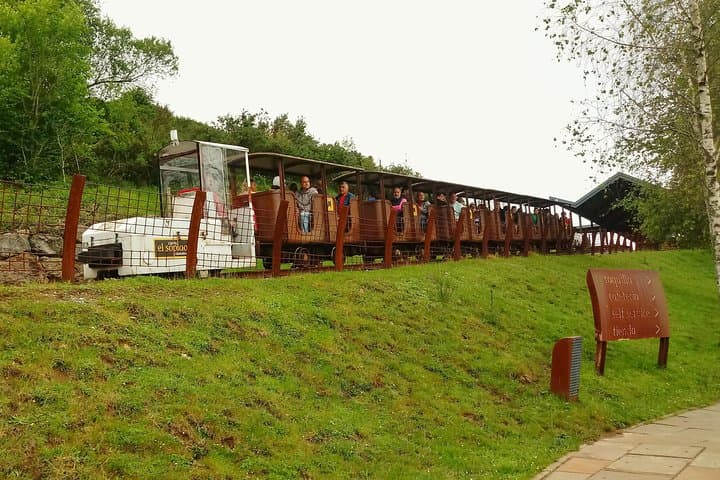
The operation notes wheelchair accessibility for some sections; collapsible wheelchairs with removable wheels can be accommodated if assisted during boarding and disembarkation—confirm in advance.
Children are allowed but must be accompanied by an adult; infant seats and strollers can be used for transport but infants may need to be held during the cave walk.
Photography is generally allowed but follow the guide’s instructions — avoid flash and do not use tripods if they obstruct the path.
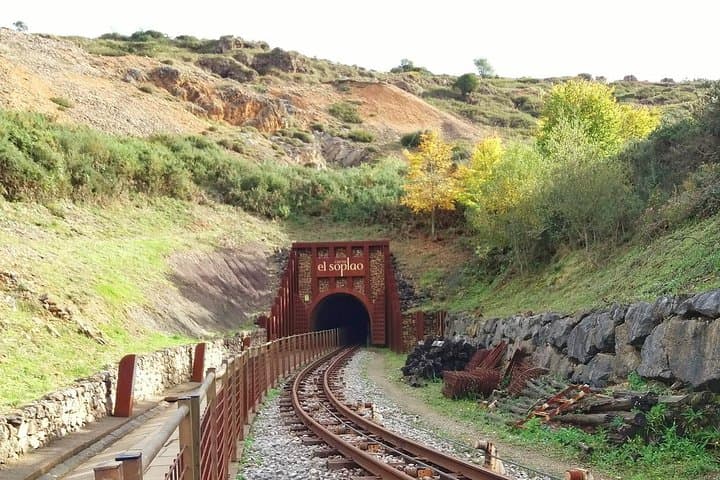
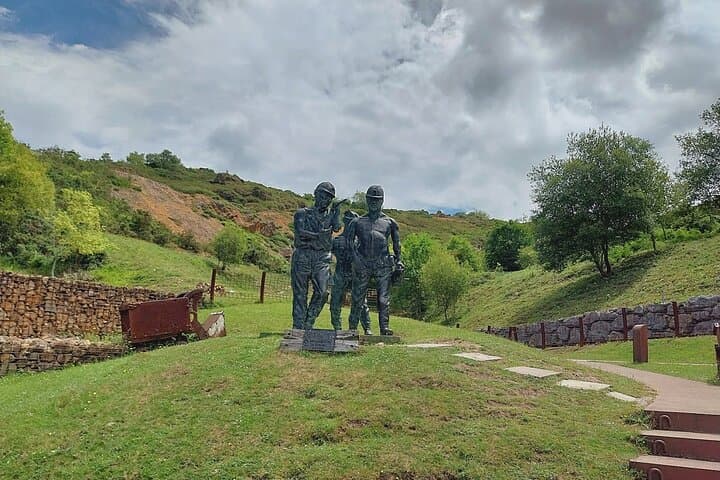
El Soplao’s galleries were opened through mining in the 19th–20th centuries; the modern cave attraction highlights both mining history and unique speleothems.
The cave’s formations are fragile and sensitive to temperature and humidity changes; small group sizes and strict path rules help protect the site for future visitors.
EXPLORING CANTABRIA operates guided outdoor trips and adventures with an emphasis on safety, stewardship, and memorable experiences.
You step from the scrubby Cantabrian hillside into a cool, mineral-lit corridor where air feels deliberate and slow. Stalactites and delicate helictites lean and curl as if the cave itself is rearranging its breath; the guide’s light sketches textures that took millennia to form. Outside, the coast unfurls — the Tina Menor estuary glints where river meets sea, a contrast of salt and limestone.
You step from the scrubby Cantabrian hillside into a cool, mineral-lit corridor where air feels deliberate and slow. Stalactites and delicate helictites lean and curl as if the cave itself is rearranging its breath; the guide’s light sketches textures that took millennia to form. Outside, the coast unfurls — the Tina Menor estuary glints where river meets sea, a contrast of salt and limestone.
El Soplao is valued for its rare speleothems and its links to early 20th-century mining that exposed hidden galleries. Geologically, this karst system preserves layers of sediment and crystal growth that speleologists prize; culturally, the cave sits in Cantabria, a region shaped by coastal fishing and inland pastoral communities.
The visit is a one-hour guided walking tour inside the cave followed by a short stop at the Pechón viewpoint over the Tina Menor estuary. Expect firm paths, modest steps and stable artificial lighting; the cave’s microclimate is steady — cool and humid year-round. Groups are small (max 8) and tours are typically in Spanish, with local guides who can point out formation names and mining traces.
Practical notes: wear sturdy shoes and a mid-layer, keep hands off formations, and bring a compact camera (no flash if requested). Transit between Santander and the cave takes under two hours by road; allow time for narrow rural roads and variable coastal weather. Hydrate before the visit, and plan the rest of the day for coastal viewpoints or a short coastal walk to fully appreciate the Tina Menor estuary.