THE ADVENTURE COLLECTIVE® · Independent discovery and booking for outdoor travel

A compact three-day circuit that pairs volcanic viewpoints, UNESCO archaeology at Joya de Cerén and the colorful towns of the Ruta de las Flores. Expect short interpretive treks, easy transfers and a deep primer on El Salvador’s geology and colonial culture.
A compact three-day circuit that pairs volcanic viewpoints, UNESCO archaeology at Joya de Cerén and the colorful towns of the Ruta de las Flores. Expect short interpretive treks, easy transfers and a deep primer on El Salvador’s geology and colonial culture.
You cross a quiet border at dawn and the air changes: warmer, green, alive. By midmorning a cloud line frames Izalco’s cone and the road opens onto Cerro Verde’s ridgeline where short interpretive trails wind through pines and scrub, revealing sweeping views of Coatepeque’s blue caldera lake below.
Verified experiences and guided adventures in the surrounding area.
Operated by Guate Tours by Nelson. · San Salvador, San Salvador Department
You cross a quiet border at dawn and the air changes: warmer, green, alive. By midmorning a cloud line frames Izalco’s cone and the road opens onto Cerro Verde’s ridgeline where short interpretive trails wind through pines and scrub, revealing sweeping views of Coatepeque’s blue caldera lake below.
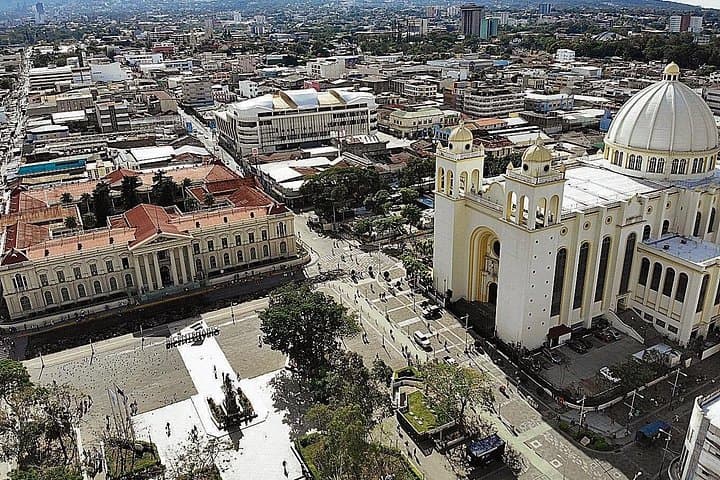
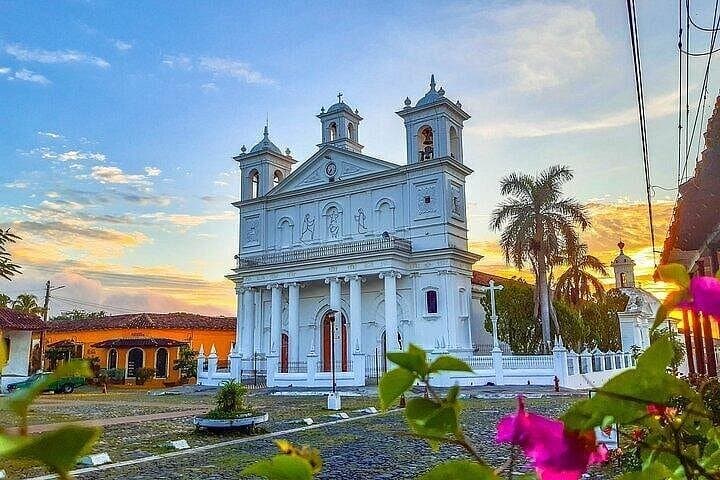
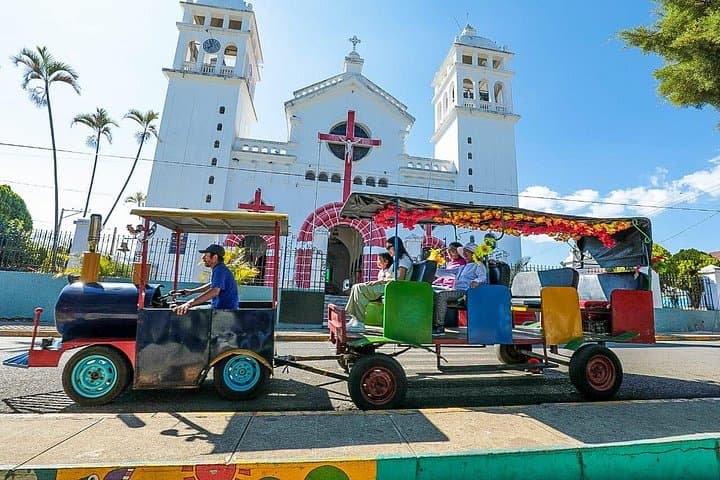
This three-day circuit stitches together El Salvador’s volcanic geology, colonial towns and a buried village frozen in ash. Joya de Cerén—often called the “Pompeii of the Americas”—preserves everyday pre-Columbian life under volcanic deposits, while Suchitoto keeps Spanish‑era streets, churches and artisan workshops. The Ruta de las Flores trades volcanic vistas for cooler microclimates, coffee farms and colorful murals in Apaneca and neighboring towns.
Expect light, educational trekking rather than technical climbs: two interpretative walks at Cerro Verde run 1–3 km each with modest elevation change (roughly 100–300 m), and most daily transfers are under two hours. Trails are compact and well-marked; guides explain local flora, coffee cultivation and the geological forces that shaped the lake and cones.
Practical notes: bring layers for variable mountain mornings, sturdy walking shoes for rocky footpaths, and sun protection for lower-elevation walks. Cash (US dollars widely used) is handy for small purchases in towns. The tour is private and includes land transport, entrance fees and a local guide; it’s suitable for most fitness levels but not recommended for those with serious spinal or cardiac issues nor pregnant travelers. Travel light, stay hydrated, and let the landscape push your pace as you move from crater edges to cobbled plazas.
easy.
3 days (approx. 72 hours).
Suitable for travelers in average physical condition; involves short, non-technical hikes and vehicle transfers under two hours.
Visa requirements depend on nationality—many travelers from the Americas and Europe can enter visa-free; check your country’s entry rules before booking.
Daily transfers are generally under two hours; the itinerary uses San Salvador and central routes to keep drives compact.
Yes—activities are low-impact and family-friendly, but not recommended for travelers with spinal, cardiovascular issues or for pregnant guests as noted by the operator.
US dollars are widely accepted in El Salvador; carry small bills for purchases in markets and towns.
Joya de Cerén is a UNESCO site preserved by a volcanic eruption—its buried houses offer rare insight into pre‑Columbian daily life in Central America.
The region’s fragile volcanic soils and coffee landscapes benefit from staying on trails, supporting local guides and choosing businesses that practice sustainable coffee and waste management.
Guate Tours by Nelson. operates guided outdoor trips and adventures with an emphasis on safety, stewardship, and memorable experiences.
You cross a quiet border at dawn and the air changes: warmer, green, alive. By midmorning a cloud line frames Izalco’s cone and the road opens onto Cerro Verde’s ridgeline where short interpretive trails wind through pines and scrub, revealing sweeping views of Coatepeque’s blue caldera lake below.
You cross a quiet border at dawn and the air changes: warmer, green, alive. By midmorning a cloud line frames Izalco’s cone and the road opens onto Cerro Verde’s ridgeline where short interpretive trails wind through pines and scrub, revealing sweeping views of Coatepeque’s blue caldera lake below.
This three-day circuit stitches together El Salvador’s volcanic geology, colonial towns and a buried village frozen in ash. Joya de Cerén—often called the “Pompeii of the Americas”—preserves everyday pre-Columbian life under volcanic deposits, while Suchitoto keeps Spanish‑era streets, churches and artisan workshops. The Ruta de las Flores trades volcanic vistas for cooler microclimates, coffee farms and colorful murals in Apaneca and neighboring towns.
Expect light, educational trekking rather than technical climbs: two interpretative walks at Cerro Verde run 1–3 km each with modest elevation change (roughly 100–300 m), and most daily transfers are under two hours. Trails are compact and well-marked; guides explain local flora, coffee cultivation and the geological forces that shaped the lake and cones.
Practical notes: bring layers for variable mountain mornings, sturdy walking shoes for rocky footpaths, and sun protection for lower-elevation walks. Cash (US dollars widely used) is handy for small purchases in towns. The tour is private and includes land transport, entrance fees and a local guide; it’s suitable for most fitness levels but not recommended for those with serious spinal or cardiac issues nor pregnant travelers. Travel light, stay hydrated, and let the landscape push your pace as you move from crater edges to cobbled plazas.