THE ADVENTURE COLLECTIVE® · Independent discovery and booking for outdoor travel

Explore El Rey’s marshes and rice-field canals on a small-group birding tour from the Manuel Antonio area. Expect close scope views, species lists from your guide, and easy walking through wetlands that attract kingfishers, hummingbirds and shorebirds.
Explore El Rey’s marshes and rice-field canals on a small-group birding tour from the Manuel Antonio area. Expect close scope views, species lists from your guide, and easy walking through wetlands that attract kingfishers, hummingbirds and shorebirds.
Dawn unrolls over flat water and reeds; the marsh breathes in insect-song and the occasional metallic call of a kingfisher that dares the canal.
Verified experiences and guided adventures in the surrounding area.
Operated by Costa Rica Wáköö Tours · Quepos, Puntarenas
Dawn unrolls over flat water and reeds; the marsh breathes in insect-song and the occasional metallic call of a kingfisher that dares the canal.
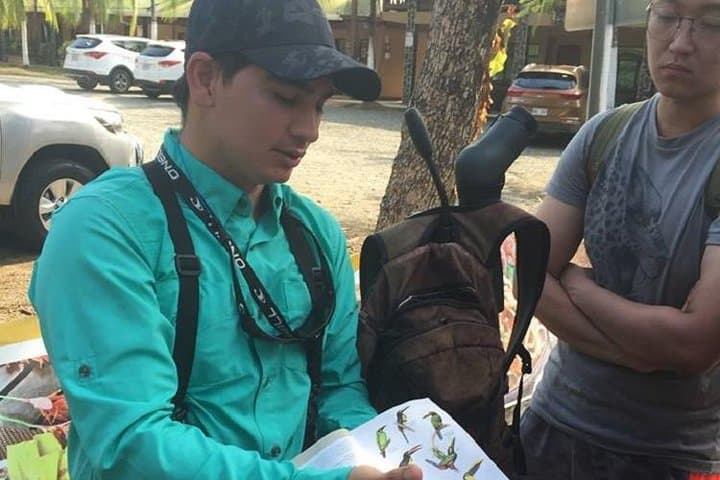
On this guided half-day near Manuel Antonio you move quietly along rice-field edges and small canals where transitional tropical forest meets wetlands. The guide’s Swarovski spotting scope draws distant shapes into sharp life — herons stalk like patient architects while hummingbirds flash like bright punctuation on flowering shrubs.
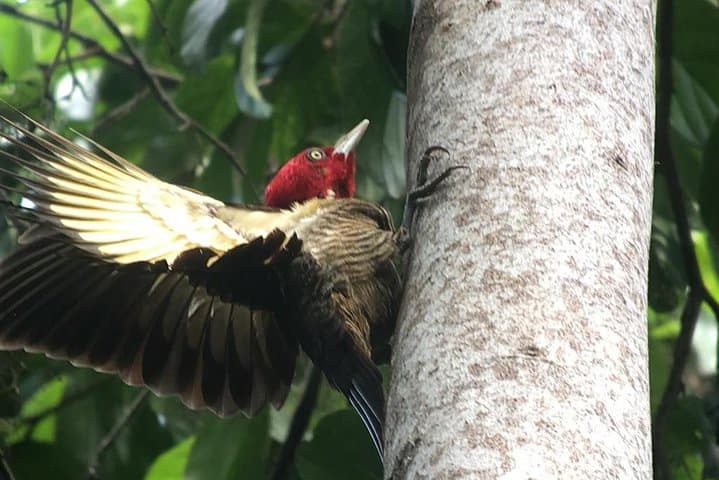
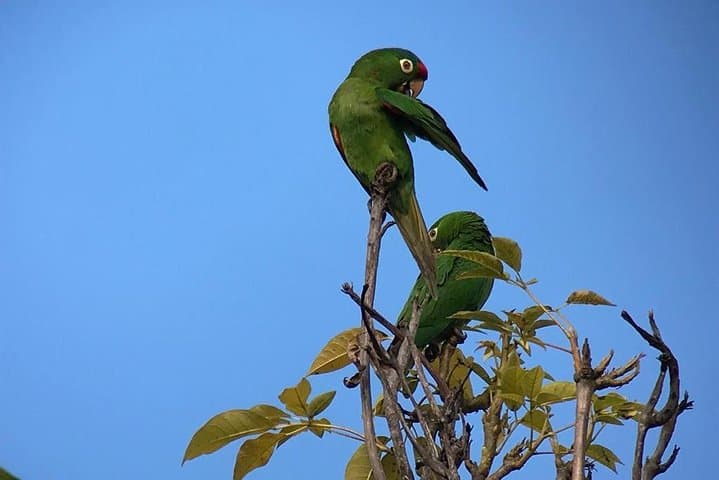
The El Rey area combines marsh, canal and agricultural edge habitat about 25–30 km from the Manuel Antonio park corridor, supporting species from kingfishers and flycatchers to seedeaters and woodpeckers. Geologically the low coastal plain is sediment-rich, carved by seasonal drainage and mangrove-fed channels; culturally, these working wetlands sit alongside small-farm communities where rice and canals structure the landscape.
Expect slow walking on flat, sometimes muddy ground, plenty of low vegetation, and pockets of standing water that attract waders and shorebirds. The guide provides identification help, a post-tour species list, snacks, bottled water and use of a spotting scope; groups are small so sightings are intimate rather than rushed.
Practical notes: wear muted, non-reflective clothing, insect repellent and closed-toe shoes with decent tread. Sunrise and early morning are best for active birds; bring a small rain layer during the wet season. Keep camera settings ready and your voice low — the marsh responds to patience and quiet observation.
easy.
4 hours.
Light walking on flat, sometimes muddy trails; suitable for most fitness levels
Plan to be ready at the agreed pickup point at least 10 minutes before departure; the guide enforces a 10-minute wait policy before marking a no-show.
Yes—the guide sends a full, detailed list of species observed after the tour to help identify your photos and sightings.
The tour involves easy walking on flat terrain but may include muddy patches; it’s suitable for children and most mobility levels, but not recommended for travelers with serious knee, hip or spinal issues.
If weather prevents safe birding the operator will refund or reschedule the tour; bring a small rain layer during the wet season just in case.
Local wetlands have long supported small-scale agriculture; rice paddies and irrigation canals created by farmers have become important secondary habitat for coastal bird communities.
These marshes are sensitive to water-quality changes; responsible visiting—staying on tracks, avoiding loud noises and not disturbing nesting areas—helps minimize human impact.
Costa Rica Wáköö Tours operates guided outdoor trips and adventures with an emphasis on safety, stewardship, and memorable experiences.
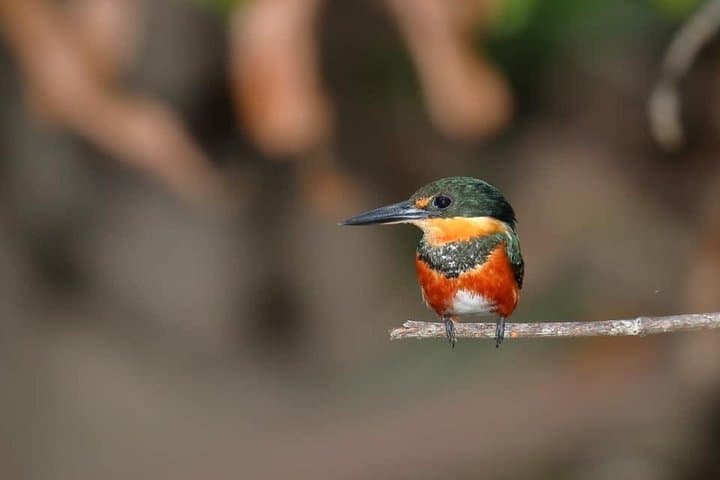
Dawn unrolls over flat water and reeds; the marsh breathes in insect-song and the occasional metallic call of a kingfisher that dares the canal.
Dawn unrolls over flat water and reeds; the marsh breathes in insect-song and the occasional metallic call of a kingfisher that dares the canal.
On this guided half-day near Manuel Antonio you move quietly along rice-field edges and small canals where transitional tropical forest meets wetlands. The guide’s Swarovski spotting scope draws distant shapes into sharp life — herons stalk like patient architects while hummingbirds flash like bright punctuation on flowering shrubs.
The El Rey area combines marsh, canal and agricultural edge habitat about 25–30 km from the Manuel Antonio park corridor, supporting species from kingfishers and flycatchers to seedeaters and woodpeckers. Geologically the low coastal plain is sediment-rich, carved by seasonal drainage and mangrove-fed channels; culturally, these working wetlands sit alongside small-farm communities where rice and canals structure the landscape.
Expect slow walking on flat, sometimes muddy ground, plenty of low vegetation, and pockets of standing water that attract waders and shorebirds. The guide provides identification help, a post-tour species list, snacks, bottled water and use of a spotting scope; groups are small so sightings are intimate rather than rushed.
Practical notes: wear muted, non-reflective clothing, insect repellent and closed-toe shoes with decent tread. Sunrise and early morning are best for active birds; bring a small rain layer during the wet season. Keep camera settings ready and your voice low — the marsh responds to patience and quiet observation.