THE ADVENTURE COLLECTIVE® · Independent discovery and booking for outdoor travel

Two hours on El Palmar’s Atlantic shore: guided instruction, small groups and all equipment included. Expect shore-side drills, coached waves and practical safety focused on beginner progression.
Two hours on El Palmar’s Atlantic shore: guided instruction, small groups and all equipment included. Expect shore-side drills, coached waves and practical safety focused on beginner progression.
The Atlantic opens like a challenge at El Palmar: a long ribbon of sand, rolling sets, and wind that teases the face as you walk from the meeting point toward the shore. In a small group of up to six, instructors size up the sea and students at once—reading swell, wind and tide—before a shore-side warm-up and technique session that moves quickly from dry drills to paddling and standing on foam waves.
Verified experiences and guided adventures in the surrounding area.
Operated by Víctor Quero Luna · Conil de la Frontera, Andalusia
The Atlantic opens like a challenge at El Palmar: a long ribbon of sand, rolling sets, and wind that teases the face as you walk from the meeting point toward the shore. In a small group of up to six, instructors size up the sea and students at once—reading swell, wind and tide—before a shore-side warm-up and technique session that moves quickly from dry drills to paddling and standing on foam waves.
This stretch of coast in Cádiz has a working history of fishing villages and shifting dunes carved by Atlantic storms; recent decades added a resilient surf culture that celebrates low-impact use of the beach. Geology here is simple—wide sandy beach backed by dunes, seabed shoals that create long, peeling waves perfect for learners. Locals balance tourism and tradition: weekend surf meets morning fish markets in nearby towns.
Practically, expect 120 minutes that mix briefing, progressive coaching, and time in the water. Equipment is supplied—board and wetsuit—so you can show up in swimwear and a light cover. Lessons emphasize safety: reading the break, managing the leash, and etiquette when others are riding the line. Bring your own sunscreen, hydrating bottle and a willingness to get knocked down—waves here will push you, and that’s the point.
Best times are smaller swell mornings for beginners and gentler tides in spring and autumn. If planning, reserve earlier in the day to avoid onshore wind and bulky afternoons. Leave with a clearer stroke, a few green-waves stood up on, and a better sense of how the Atlantic shapes both coastal life and the surfer’s craft.
easy.
2 hours.
Suitable for beginners and people in regular, general fitness; expect moderate paddling and pop-up practice.
No—lessons are designed for beginners through intermediate; coaches progress from dry-land technique to catching small waves in the water.
Two-hour session includes group coaching (max 6 people), board and wetsuit, shore-side instruction and guided time in the water.
Full refund is available if you cancel at least 24 hours before the scheduled time; operator may cancel if weather is unsafe.
Lessons are suitable for most physical fitness levels; the operator asks for age and weight during booking and may set limits—check with the provider for specifics.
This stretch of Cádiz coast has long been a working shoreline of fishing hamlets; surf culture grew here in the late 20th century as beaches drew international riders.
Operators on El Palmar often emphasize low-impact practices—reusing equipment and promoting beach clean-ups—to protect dunes and marine life.
Víctor Quero Luna operates guided outdoor trips and adventures with an emphasis on safety, stewardship, and memorable experiences.
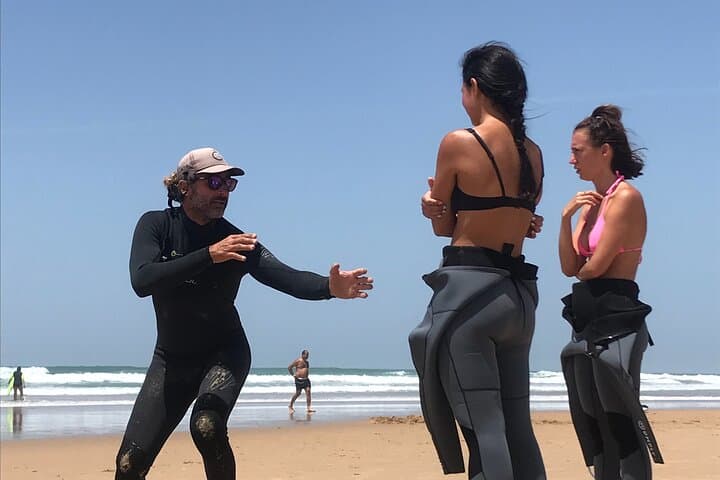
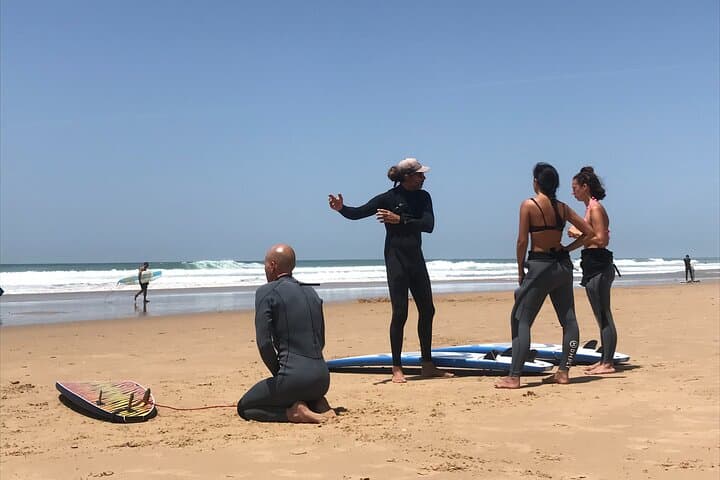
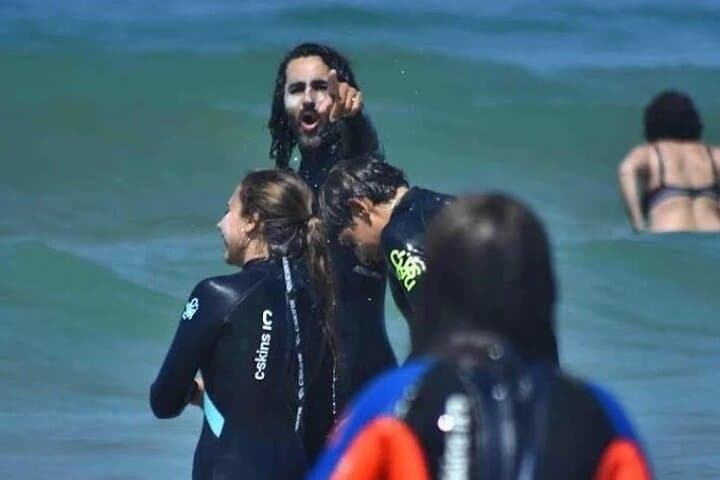
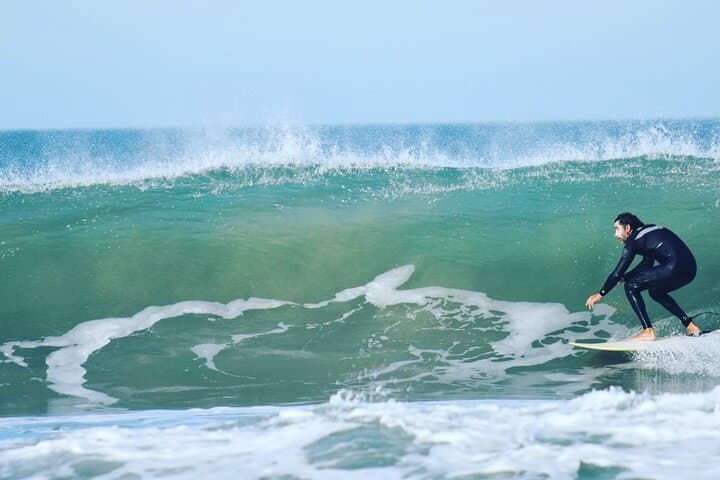
The Atlantic opens like a challenge at El Palmar: a long ribbon of sand, rolling sets, and wind that teases the face as you walk from the meeting point toward the shore. In a small group of up to six, instructors size up the sea and students at once—reading swell, wind and tide—before a shore-side warm-up and technique session that moves quickly from dry drills to paddling and standing on foam waves.
The Atlantic opens like a challenge at El Palmar: a long ribbon of sand, rolling sets, and wind that teases the face as you walk from the meeting point toward the shore. In a small group of up to six, instructors size up the sea and students at once—reading swell, wind and tide—before a shore-side warm-up and technique session that moves quickly from dry drills to paddling and standing on foam waves.
This stretch of coast in Cádiz has a working history of fishing villages and shifting dunes carved by Atlantic storms; recent decades added a resilient surf culture that celebrates low-impact use of the beach. Geology here is simple—wide sandy beach backed by dunes, seabed shoals that create long, peeling waves perfect for learners. Locals balance tourism and tradition: weekend surf meets morning fish markets in nearby towns.
Practically, expect 120 minutes that mix briefing, progressive coaching, and time in the water. Equipment is supplied—board and wetsuit—so you can show up in swimwear and a light cover. Lessons emphasize safety: reading the break, managing the leash, and etiquette when others are riding the line. Bring your own sunscreen, hydrating bottle and a willingness to get knocked down—waves here will push you, and that’s the point.
Best times are smaller swell mornings for beginners and gentler tides in spring and autumn. If planning, reserve earlier in the day to avoid onshore wind and bulky afternoons. Leave with a clearer stroke, a few green-waves stood up on, and a better sense of how the Atlantic shapes both coastal life and the surfer’s craft.