THE ADVENTURE COLLECTIVE® · Independent discovery and booking for outdoor travel

A full-day island-hopping circuit through Bacuit Bay, Tour D stitches together secret beaches, calm lagoons and bright reefs—included beach lunch and local boat crews make it an ideal introduction to El Nido’s karst islands.
A full-day island-hopping circuit through Bacuit Bay, Tour D stitches together secret beaches, calm lagoons and bright reefs—included beach lunch and local boat crews make it an ideal introduction to El Nido’s karst islands.
The motor hums, the boat noses out from El Nido’s pier and the sea opens like a promise. Limestone towers rise from blue-green water, their faces pocked with caves and streaked by centuries of rain and tide. On Tour D, the day is organized for sustained discovery: narrow lagoons that feel private, shallow snorkel reefs that flare with color, and beaches that seem to have been left untended — until the group arrives to eat lunch under a palm.
Verified experiences and guided adventures in the surrounding area.
Operated by El Nido Adventure Tours · El Nido, Palawan
The motor hums, the boat noses out from El Nido’s pier and the sea opens like a promise. Limestone towers rise from blue-green water, their faces pocked with caves and streaked by centuries of rain and tide. On Tour D, the day is organized for sustained discovery: narrow lagoons that feel private, shallow snorkel reefs that flare with color, and beaches that seem to have been left untended — until the group arrives to eat lunch under a palm.
Bacuit Bay is a geologic gallery. The cliffs are younger karst—limestone compressed and sculpted by ocean, then carved vertically as sea levels shifted after the last ice age. Cadlao Island, one of the day’s anchors, shows those sheer faces best: vertiginous rock that drops to emerald coves, and lagoons formed where the sea found weak seams and widened them into sheltered basins.
El Nido’s history threads through the water. The bay has long been a lifeline for indigenous communities and fishermen; the islands were charted later by Spanish and American explorers but remained sparsely populated. Today, tourism is the dominant economy, and small family-run boat crews guide most trips—local knowledge that turns a route on a map into a sequence of viewpoints, snorkeling spots and shaded picnic spots.
The practical part of the day is simple and important. Expect 7–8 hours on the water; the operator provides a beach lunch and bottled water, but you’ll need cash for an environmental fee (P400, valid 14 days) and, in some cases, entrance fees to certain lagoons (about P200). Boats leave early to skirt crowds; pickup is offered from town hotels and meeting points roughly 30 minutes before departure. Seas can be calm or choppy—currents will push you into the experience, so a basic comfort with getting on and off a bangka (outrigger boat) is useful.
Snorkeling here is accessible: reefs are shallow and fish are abundant, but bring your own mask for fit and hygiene. Wear light layers that dry quickly, reef-safe sunscreen, and water shoes for lava-like rock and coral steps. If you want quieter coves, ask crew to aim for less-trafficked spots or to time stops when other groups are moving between sites.
Tour D is both an easy day trip and an immersion—ocean surfaces that dare you to dive, lagoons that offer a private calm, and beaches wide enough for an improvised lunch. It’s a template for a great first day in Palawan: equal parts adventure, natural science and practical logistics, delivered by people who know the water’s moods.
easy.
7–8 hours.
Light to moderate fitness—able to board small boats, swim short snorkel distances, and walk on uneven sand and rock.
The operator lists 7–8 hours on the water, typically departing mid-morning and returning late afternoon.
Yes—a beach lunch and bottled water are included; bring snacks if you have specific dietary needs.
An environmental fee (P400, valid 14 days) and some lagoon entrance fees (around P200) may be charged separately—confirm at booking.
Yes—sites chosen for Tour D are beginner-friendly with shallow reefs; bring your own mask if possible.
If you get seasick, take medication beforehand and sit mid-boat where movement is gentlest; ginger and hydration help.
Pickup is offered for most El Nido town hotels; the operator asks guests to be at the meeting point about 30 minutes before departure.
Bacuit Bay’s islands are karst formations that became more pronounced as sea levels rose after the last glacial period; local fishing communities have used these sheltered waters for generations.
Tourism fees support local environmental programs; visitors should use reef-safe products, avoid touching coral and dispose of waste in town to reduce marine impact.
El Nido Adventure Tours operates guided outdoor trips and adventures with an emphasis on safety, stewardship, and memorable experiences.
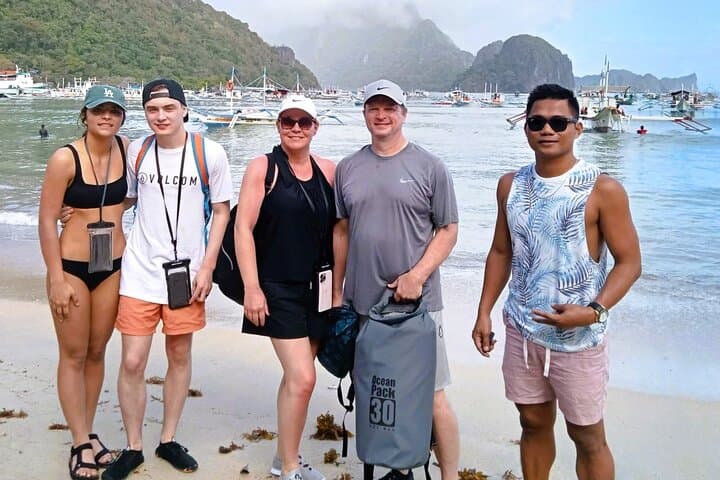
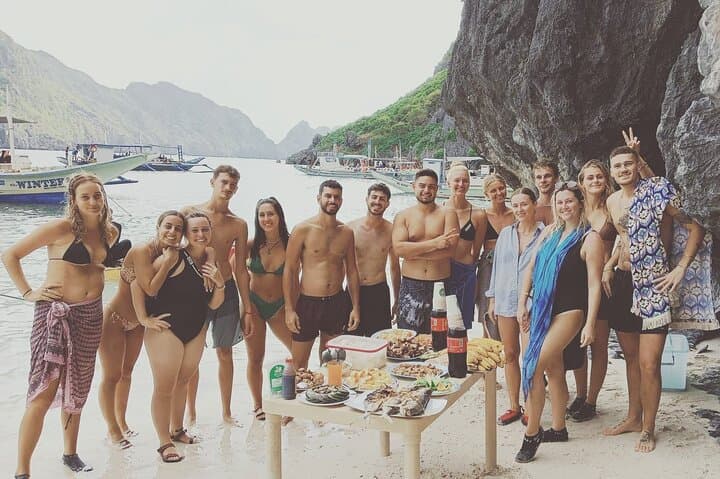
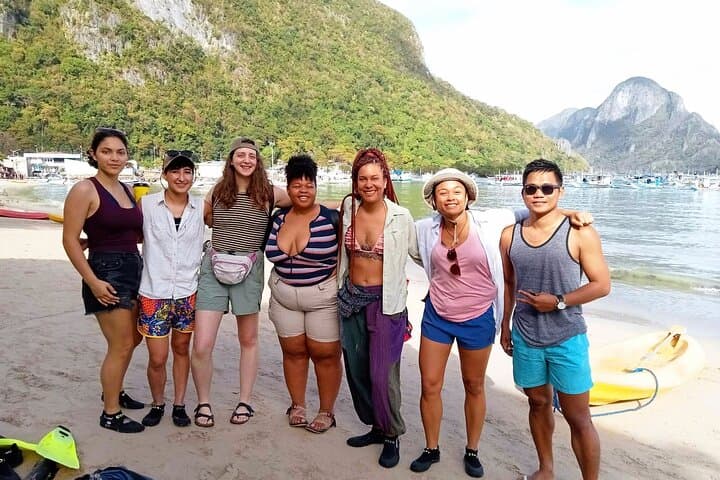
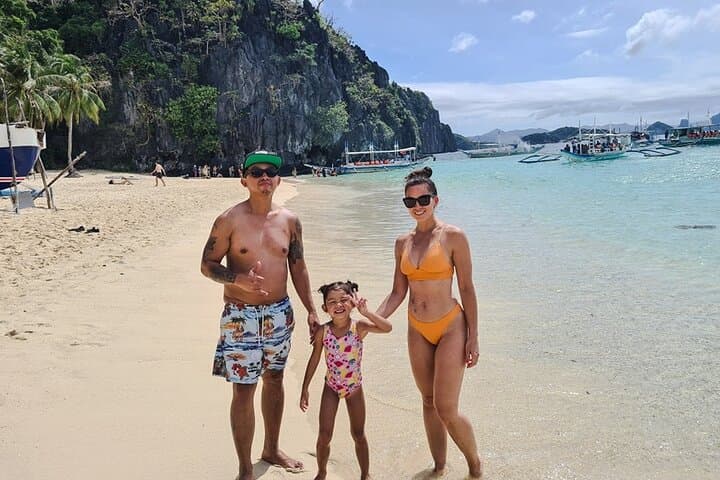
The motor hums, the boat noses out from El Nido’s pier and the sea opens like a promise. Limestone towers rise from blue-green water, their faces pocked with caves and streaked by centuries of rain and tide. On Tour D, the day is organized for sustained discovery: narrow lagoons that feel private, shallow snorkel reefs that flare with color, and beaches that seem to have been left untended — until the group arrives to eat lunch under a palm.
The motor hums, the boat noses out from El Nido’s pier and the sea opens like a promise. Limestone towers rise from blue-green water, their faces pocked with caves and streaked by centuries of rain and tide. On Tour D, the day is organized for sustained discovery: narrow lagoons that feel private, shallow snorkel reefs that flare with color, and beaches that seem to have been left untended — until the group arrives to eat lunch under a palm.
Bacuit Bay is a geologic gallery. The cliffs are younger karst—limestone compressed and sculpted by ocean, then carved vertically as sea levels shifted after the last ice age. Cadlao Island, one of the day’s anchors, shows those sheer faces best: vertiginous rock that drops to emerald coves, and lagoons formed where the sea found weak seams and widened them into sheltered basins.
El Nido’s history threads through the water. The bay has long been a lifeline for indigenous communities and fishermen; the islands were charted later by Spanish and American explorers but remained sparsely populated. Today, tourism is the dominant economy, and small family-run boat crews guide most trips—local knowledge that turns a route on a map into a sequence of viewpoints, snorkeling spots and shaded picnic spots.
The practical part of the day is simple and important. Expect 7–8 hours on the water; the operator provides a beach lunch and bottled water, but you’ll need cash for an environmental fee (P400, valid 14 days) and, in some cases, entrance fees to certain lagoons (about P200). Boats leave early to skirt crowds; pickup is offered from town hotels and meeting points roughly 30 minutes before departure. Seas can be calm or choppy—currents will push you into the experience, so a basic comfort with getting on and off a bangka (outrigger boat) is useful.
Snorkeling here is accessible: reefs are shallow and fish are abundant, but bring your own mask for fit and hygiene. Wear light layers that dry quickly, reef-safe sunscreen, and water shoes for lava-like rock and coral steps. If you want quieter coves, ask crew to aim for less-trafficked spots or to time stops when other groups are moving between sites.
Tour D is both an easy day trip and an immersion—ocean surfaces that dare you to dive, lagoons that offer a private calm, and beaches wide enough for an improvised lunch. It’s a template for a great first day in Palawan: equal parts adventure, natural science and practical logistics, delivered by people who know the water’s moods.