THE ADVENTURE COLLECTIVE® · Independent discovery and booking for outdoor travel

Spend four hours moving through one of the world's richest concentrations of medieval Islamic architecture, then plunge into Cairo’s historic marketplace. This private walking tour combines architectural highlights along El-Moez Street with the color and commerce of Khan el-Khalili.
Spend four hours moving through one of the world's richest concentrations of medieval Islamic architecture, then plunge into Cairo’s historic marketplace. This private walking tour combines architectural highlights along El-Moez Street with the color and commerce of Khan el-Khalili.
A morning on El-Moez Le Din Allah Street begins with the city opening like a map: stone alleys, carved facades, and doorways that measure centuries. Walkers move beneath wooden mashrabiyas and the quiet watch of minarets, the stones damp from an early mist that seems to dare you forward toward the pulse of the old city.
Verified experiences and guided adventures in the surrounding area.
Operated by Tamer Safari · Cairo, Cairo Governorate
A morning on El-Moez Le Din Allah Street begins with the city opening like a map: stone alleys, carved facades, and doorways that measure centuries. Walkers move beneath wooden mashrabiyas and the quiet watch of minarets, the stones damp from an early mist that seems to dare you forward toward the pulse of the old city.
El-Moez is one of the densest stretches of medieval Islamic architecture in the world — gates, madrasas, mausoleums and sabils crowd the street. The route threads through Mamluk and later Ottoman layers: Bab al-Futuh and Bab al-Nasr still mark the medieval city edge while the domes and intricate stonework of Al-Aqmar and Barquq mosques show craftsmen’s signatures in ashlar and carved stucco. A few blocks east, Khan el-Khalili opens into a labyrinth of souk alleys where traders have sold copper, spices and textiles since the 14th century.
Culturally, the walk is both architectural survey and market immersion: expect bargaining, the click of metalworkers, and the ever-present calls of vendors. Practicalities matter — narrow streets and occasional restoration work slow the pace, and summer heat can intensify in open courtyards.
This private four‑hour tour pairs steady walking with short, interpretive stops; it’s accessible to most visitors but involves uneven pavement and steps. Bring comfortable shoes, water, a hat, and small bills for purchases. Aim for morning or late afternoon to avoid the harshest light and crowded peak hours — the street rewards a slow pace and careful eyes, revealing details missed when rushed.
easy.
4 hours.
Light walking ability; comfortable for most travelers who can stand and walk on uneven surfaces for several hours
The private tour lasts about four hours and involves steady walking along El-Moez Street and through Khan el-Khalili with short stops at monuments and bazaars.
This tour typically includes entrance fees to the mentioned sites; confirm at booking for any optional stops that may incur extra charges.
Yes—it's rated easy and suitable for most fitness levels, though some older travelers may find uneven pavement and steps challenging; let the operator know mobility needs ahead of time.
Yes—bargaining is expected; look for reputable shops for antiques and precious metals and compare prices before committing to larger purchases.
El-Moez Street developed through the Fatimid and Mamluk periods and hosts a high concentration of medieval Islamic monuments; Khan el-Khalili has been a commercial hub since the 14th century.
Many monuments are under ongoing restoration; visitors should follow marked paths, avoid touching fragile stonework, and support local guides and licensed vendors to encourage sustainable tourism.
Tamer Safari operates guided outdoor trips and adventures with an emphasis on safety, stewardship, and memorable experiences.
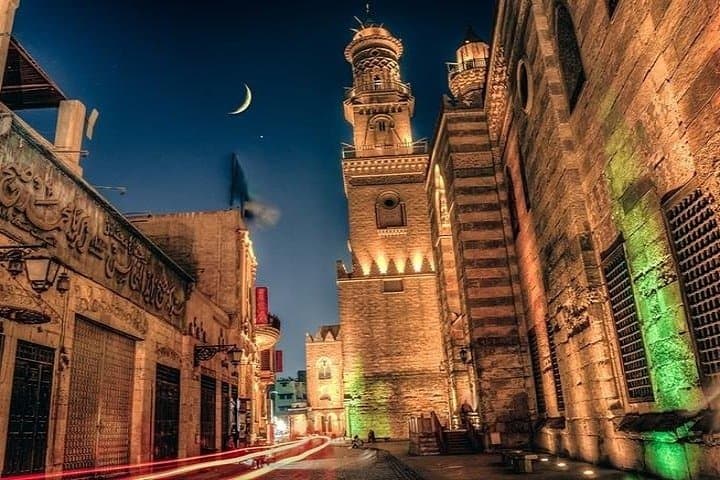
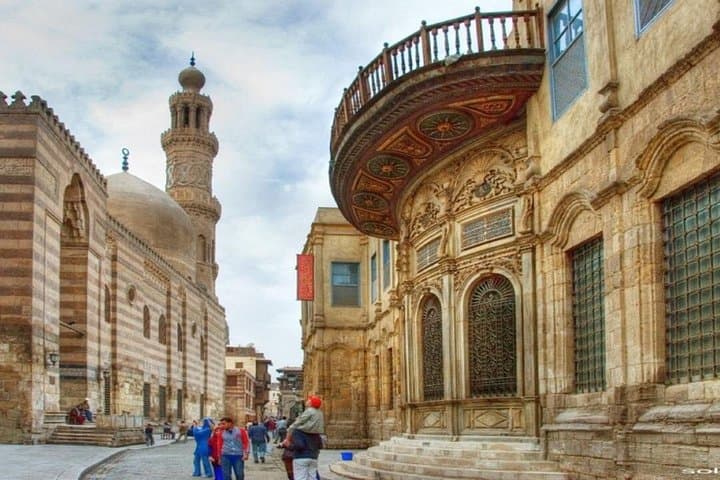
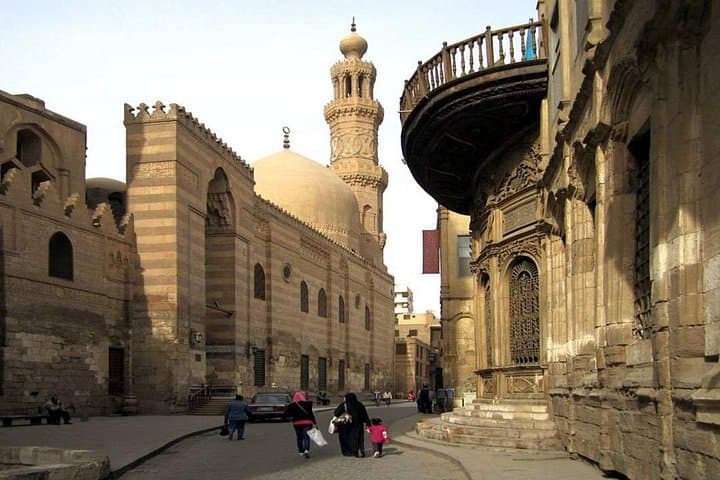
A morning on El-Moez Le Din Allah Street begins with the city opening like a map: stone alleys, carved facades, and doorways that measure centuries. Walkers move beneath wooden mashrabiyas and the quiet watch of minarets, the stones damp from an early mist that seems to dare you forward toward the pulse of the old city.
A morning on El-Moez Le Din Allah Street begins with the city opening like a map: stone alleys, carved facades, and doorways that measure centuries. Walkers move beneath wooden mashrabiyas and the quiet watch of minarets, the stones damp from an early mist that seems to dare you forward toward the pulse of the old city.
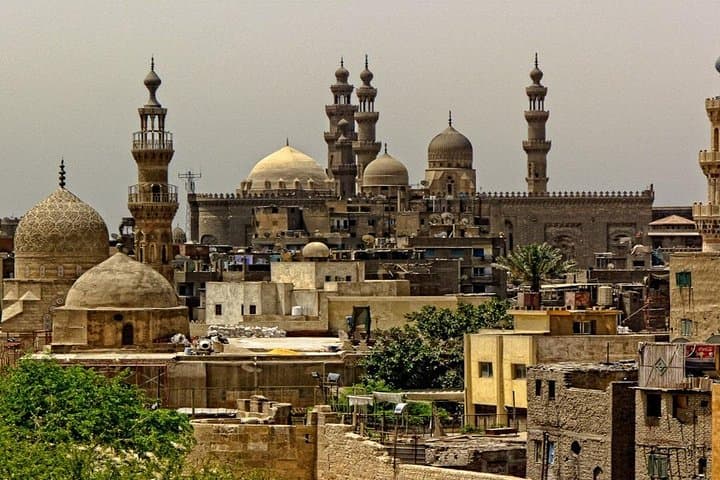
El-Moez is one of the densest stretches of medieval Islamic architecture in the world — gates, madrasas, mausoleums and sabils crowd the street. The route threads through Mamluk and later Ottoman layers: Bab al-Futuh and Bab al-Nasr still mark the medieval city edge while the domes and intricate stonework of Al-Aqmar and Barquq mosques show craftsmen’s signatures in ashlar and carved stucco. A few blocks east, Khan el-Khalili opens into a labyrinth of souk alleys where traders have sold copper, spices and textiles since the 14th century.
Culturally, the walk is both architectural survey and market immersion: expect bargaining, the click of metalworkers, and the ever-present calls of vendors. Practicalities matter — narrow streets and occasional restoration work slow the pace, and summer heat can intensify in open courtyards.
This private four‑hour tour pairs steady walking with short, interpretive stops; it’s accessible to most visitors but involves uneven pavement and steps. Bring comfortable shoes, water, a hat, and small bills for purchases. Aim for morning or late afternoon to avoid the harshest light and crowded peak hours — the street rewards a slow pace and careful eyes, revealing details missed when rushed.