THE ADVENTURE COLLECTIVE® · Independent discovery and booking for outdoor travel

A compact, two-day climb to El Misti’s 5,825 m summit from Arequipa: camp on the upper slopes, summit before dawn, and return the same day. Expect thin air, loose volcanic scree, and expansive views of southern Peru’s volcanic chain.
A compact, two-day climb to El Misti’s 5,825 m summit from Arequipa: camp on the upper slopes, summit before dawn, and return the same day. Expect thin air, loose volcanic scree, and expansive views of southern Peru’s volcanic chain.
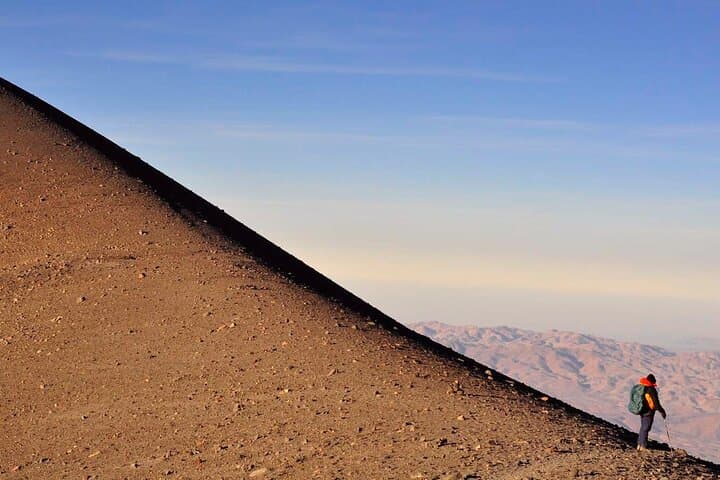
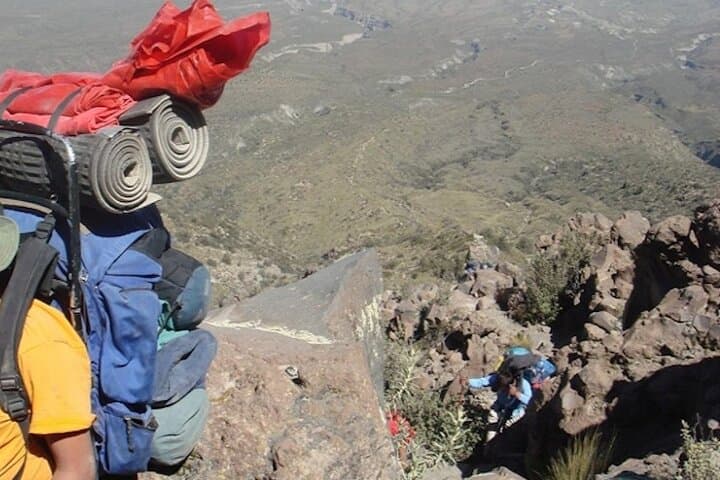
Night on the pampas feels sharp and thin: stars cut cold over the volcanic cone and the air seems to hold its breath. On day one you'll be driven in a 4x4 from Arequipa to 3,400 m, then hike across cactus-studded slopes to a high camp at about 4,665 m. The mountain keeps you honest—loose scoria, wind-scoured ridgelines and a steady, altitude-driven pace.
Verified experiences and guided adventures in the surrounding area.
Operated by IZI PERU · Arequipa, Arequipa Region
Night on the pampas feels sharp and thin: stars cut cold over the volcanic cone and the air seems to hold its breath. On day one you'll be driven in a 4x4 from Arequipa to 3,400 m, then hike across cactus-studded slopes to a high camp at about 4,665 m. The mountain keeps you honest—loose scoria, wind-scoured ridgelines and a steady, altitude-driven pace.
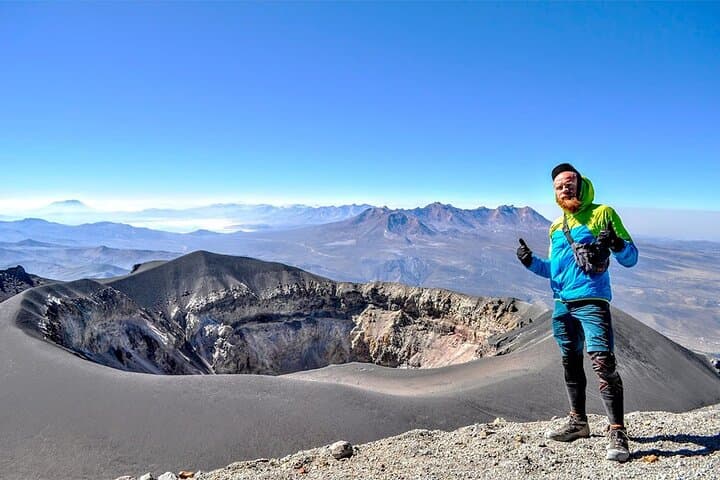
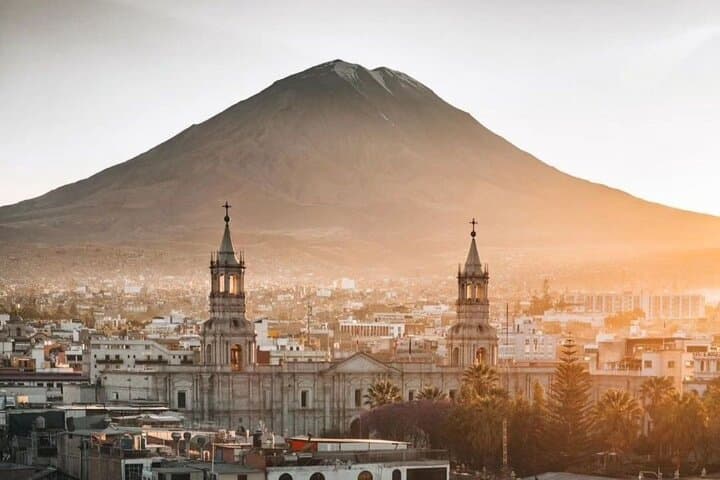
El Misti is a stratovolcano carved by ash and lava flows that have shaped the valley below for millennia; its almost-perfect cone has been an icon for Arequipa since pre-Inca times. From the summit (5,825 m) the skyline reads like a geological atlas: Chachani’s shoulders, the Pichu Pichu mass, and the white plains of Aguada Blanca. Local guides blend mountaineering know-how with regional stories: shepherd routes, colonial-era observations, and the practical rhythms of highland life.
Expect slow, rhythmic hiking and cold, exposed conditions at the summit. Weather can change fast—clear dawns turn to sun and then bitter wind pockets higher up. The ascent requires pacing for altitude, layered clothing, and respect for limited oxygen; crampons or ice spikes are used only if snows linger.
Practical plan: sleep well the night before, start the summit push pre-dawn, carry 1.5–2 L of water, and pack snacks dense in calories. Your guide provides tents, mats, some technical gear, and an oxygen bottle if needed. Return to Arequipa by late afternoon on day two with the city unfolding below like a reward earned the hard way.
challenging.
2 days (approx. 48 hours).
Good aerobic base and experience with long day hikes at elevation; must tolerate steep, sustained uphill and cold nights.
The route is non-technical in dry conditions but the altitude (up to 5,825 m) makes it challenging; beginners should be well-acclimatized and travel with an experienced guide.
Guides typically supply tents, mats, and crampons/ice spikes when snow is present; confirm specifics with the operator before departure.
May–September is the drier season with clearer skies; shoulder months can have afternoon storms and patchy snow at altitude.
Medical support is limited on the slope; guides carry oxygen bottles and basic first aid—serious evacuations require descent to towns with road access.
El Misti has been an important landmark for Andean cultures and colonial settlers; its profile appears in regional art and local myths.
Stick to established campsites, pack out all waste, and respect fragile high-altitude vegetation to minimize erosion and human impact.
IZI PERU operates guided outdoor trips and adventures with an emphasis on safety, stewardship, and memorable experiences.
Night on the pampas feels sharp and thin: stars cut cold over the volcanic cone and the air seems to hold its breath. On day one you'll be driven in a 4x4 from Arequipa to 3,400 m, then hike across cactus-studded slopes to a high camp at about 4,665 m. The mountain keeps you honest—loose scoria, wind-scoured ridgelines and a steady, altitude-driven pace.
Night on the pampas feels sharp and thin: stars cut cold over the volcanic cone and the air seems to hold its breath. On day one you'll be driven in a 4x4 from Arequipa to 3,400 m, then hike across cactus-studded slopes to a high camp at about 4,665 m. The mountain keeps you honest—loose scoria, wind-scoured ridgelines and a steady, altitude-driven pace.
El Misti is a stratovolcano carved by ash and lava flows that have shaped the valley below for millennia; its almost-perfect cone has been an icon for Arequipa since pre-Inca times. From the summit (5,825 m) the skyline reads like a geological atlas: Chachani’s shoulders, the Pichu Pichu mass, and the white plains of Aguada Blanca. Local guides blend mountaineering know-how with regional stories: shepherd routes, colonial-era observations, and the practical rhythms of highland life.
Expect slow, rhythmic hiking and cold, exposed conditions at the summit. Weather can change fast—clear dawns turn to sun and then bitter wind pockets higher up. The ascent requires pacing for altitude, layered clothing, and respect for limited oxygen; crampons or ice spikes are used only if snows linger.
Practical plan: sleep well the night before, start the summit push pre-dawn, carry 1.5–2 L of water, and pack snacks dense in calories. Your guide provides tents, mats, some technical gear, and an oxygen bottle if needed. Return to Arequipa by late afternoon on day two with the city unfolding below like a reward earned the hard way.