THE ADVENTURE COLLECTIVE® · Independent discovery and booking for outdoor travel

Escape Cairo for a full-day sweep of El Fayoum’s geological wonders—UNESCO-listed Wadi Hitan, the waterfalls of Wadi El Rayan, and a chance to sandboard on desert dunes. This practical guide covers what to expect and how to prepare.
Escape Cairo for a full-day sweep of El Fayoum’s geological wonders—UNESCO-listed Wadi Hitan, the waterfalls of Wadi El Rayan, and a chance to sandboard on desert dunes. This practical guide covers what to expect and how to prepare.
A low-slung sunrise over the Western Desert gives the day a pale gold that seems to push the air forward. The minivan hums along the desert road as Cairo thins behind you and the landscape opens into broad, wind-sculpted plains—then dips into the green-tinged hollows of El Fayoum. On this full-day loop, travelers step from city traffic into an environment where ancient seas left fossilized whales and modern irrigation carved inland lakes and Egypt’s only waterfalls.
Verified experiences and guided adventures in the surrounding area.
Operated by Sun Pyramids Vip Tours · Faiyum, Faiyum Governorate
A low-slung sunrise over the Western Desert gives the day a pale gold that seems to push the air forward. The minivan hums along the desert road as Cairo thins behind you and the landscape opens into broad, wind-sculpted plains—then dips into the green-tinged hollows of El Fayoum. On this full-day loop, travelers step from city traffic into an environment where ancient seas left fossilized whales and modern irrigation carved inland lakes and Egypt’s only waterfalls.
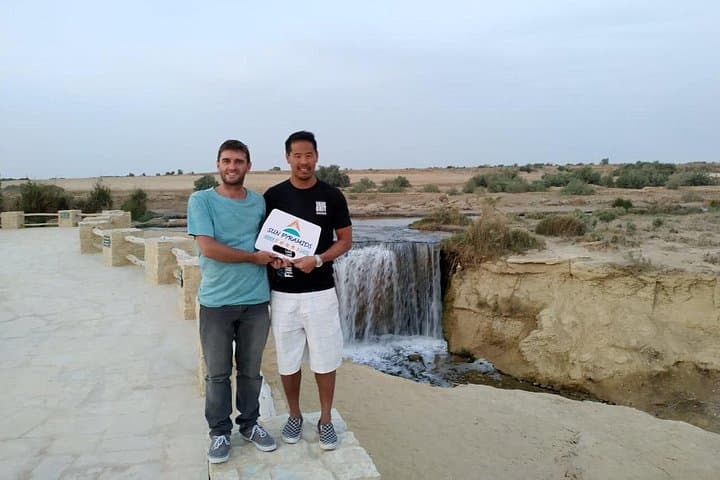
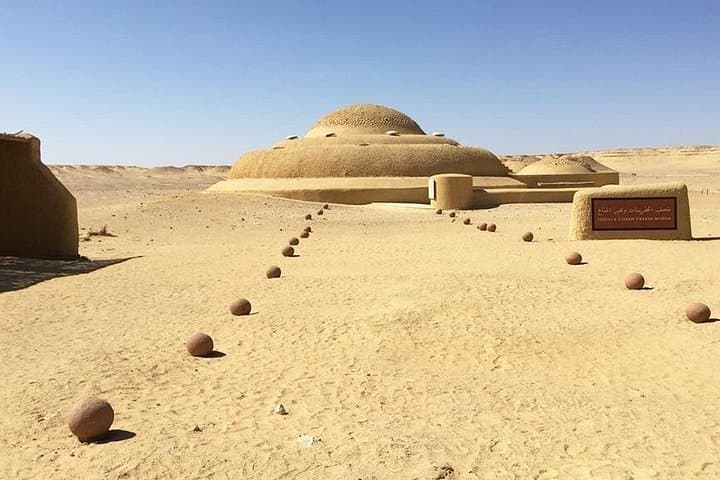
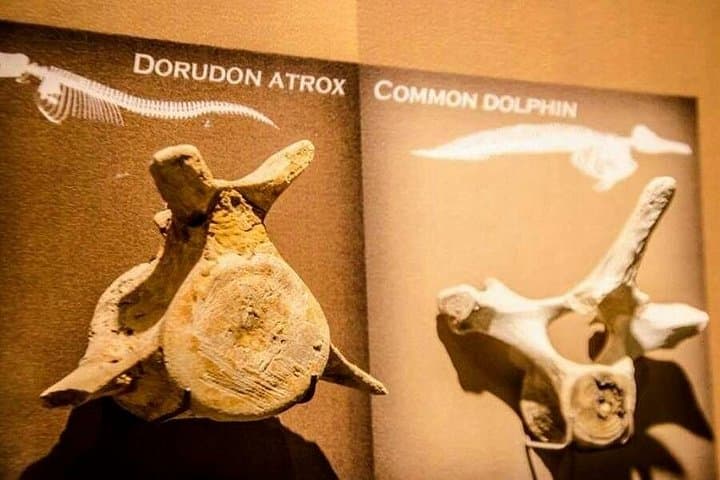
Wadi Hitan (Valley of the Whales) is the geological headline: a UNESCO World Heritage site where 40-million-year-old archaeocete skeletons lie exposed, a clear record of the Tethys Sea that once filled the basin. Nearby Wadi El Rayan is younger in human terms—two man-made lakes created by agricultural runoff that now feed a rare waterfall and a ring of dunes used for sandboarding. Local villages around Fayoum carry agricultural traditions that trace to Pharaonic irrigation systems and a quieter pace of life than Cairo.
Practical guidance: expect a long day—roughly 10–12 hours in the field with multiple short walks on compact desert sand and shale; bring sun protection, at least 2 liters of water, and closed shoes for uneven rock. The tour includes entrance fees, bottled water, a late lunch, and hotel pickup. If you want to sandboard, wear long socks and pants to protect from hot sand. Timing matters: morning light is best for fossil sites and late afternoon softens the desert heat for dunes and waterfalls.
easy.
10–12 hours.
Suitable for most fitness levels; requires short walks on uneven desert and lakeshore terrain
The tour runs about 10–12 hours depending on traffic; most itineraries pick up early and return to Cairo in the evening.
Yes—entrance fees to the mentioned sites and a late lunch at a local restaurant are included in the tour price.
Yes—sandboarding in Fayoum is beginner-friendly; guides provide basic instruction and dunes are appropriate for first-timers.
Families can join; the tour is labeled suitable for all fitness levels, but children should be supervised around steep dunes and at the waterfall edges.
Fayoum’s agricultural settlement dates back to Pharaonic times when water channels from the Nile supported orchards and fisheries; the region later preserved fossils from when it was a marine basin.
Wadi Hitan is a protected UNESCO site—stay on trails and avoid touching fossils; water management around Wadi El Rayan is sensitive to agricultural runoff and tourism pressures.
Sun Pyramids Vip Tours operates guided outdoor trips and adventures with an emphasis on safety, stewardship, and memorable experiences.
A low-slung sunrise over the Western Desert gives the day a pale gold that seems to push the air forward. The minivan hums along the desert road as Cairo thins behind you and the landscape opens into broad, wind-sculpted plains—then dips into the green-tinged hollows of El Fayoum. On this full-day loop, travelers step from city traffic into an environment where ancient seas left fossilized whales and modern irrigation carved inland lakes and Egypt’s only waterfalls.
A low-slung sunrise over the Western Desert gives the day a pale gold that seems to push the air forward. The minivan hums along the desert road as Cairo thins behind you and the landscape opens into broad, wind-sculpted plains—then dips into the green-tinged hollows of El Fayoum. On this full-day loop, travelers step from city traffic into an environment where ancient seas left fossilized whales and modern irrigation carved inland lakes and Egypt’s only waterfalls.
Wadi Hitan (Valley of the Whales) is the geological headline: a UNESCO World Heritage site where 40-million-year-old archaeocete skeletons lie exposed, a clear record of the Tethys Sea that once filled the basin. Nearby Wadi El Rayan is younger in human terms—two man-made lakes created by agricultural runoff that now feed a rare waterfall and a ring of dunes used for sandboarding. Local villages around Fayoum carry agricultural traditions that trace to Pharaonic irrigation systems and a quieter pace of life than Cairo.
Practical guidance: expect a long day—roughly 10–12 hours in the field with multiple short walks on compact desert sand and shale; bring sun protection, at least 2 liters of water, and closed shoes for uneven rock. The tour includes entrance fees, bottled water, a late lunch, and hotel pickup. If you want to sandboard, wear long socks and pants to protect from hot sand. Timing matters: morning light is best for fossil sites and late afternoon softens the desert heat for dunes and waterfalls.