THE ADVENTURE COLLECTIVE® · Independent discovery and booking for outdoor travel

A full-day birding loop west of Cairo that pairs salt‑lake shorelines with desert-fed wetlands. Expect easy walks, a late local lunch, and focused viewing of migratory and resident waterbirds around Wadi El Rayan and Lake Qarun.
A full-day birding loop west of Cairo that pairs salt‑lake shorelines with desert-fed wetlands. Expect easy walks, a late local lunch, and focused viewing of migratory and resident waterbirds around Wadi El Rayan and Lake Qarun.
You arrive before sunrise and the road unspools west from Cairo into broad, sun-baked plains; palms and scrub slip by as the car heads toward El-Fayoum. By mid-morning the air cools near the shallow edges of Lake Qarun, where reeds rustle and waders probe the mud. The landscape pushes and pulls—quiet salt flats giving way to the carved depressions of Wadi El Rayan, where runoff has carved cliffs and created a chain of lakes that daringly claim visitors’ attention.
Verified experiences and guided adventures in the surrounding area.
Operated by This Is Egypt Aswan · Faiyum, Faiyum Governorate
You arrive before sunrise and the road unspools west from Cairo into broad, sun-baked plains; palms and scrub slip by as the car heads toward El-Fayoum. By mid-morning the air cools near the shallow edges of Lake Qarun, where reeds rustle and waders probe the mud. The landscape pushes and pulls—quiet salt flats giving way to the carved depressions of Wadi El Rayan, where runoff has carved cliffs and created a chain of lakes that daringly claim visitors’ attention.
Fayoum is one of Egypt’s oldest cultivated regions, farmed since Pharaonic times and reshaped by irrigation and changing shorelines. Lake Qarun is a remnant of a larger prehistoric gulf; Wadi El Rayan became a protected area in 1989 to conserve its waterbirds and desert-adapted species. Local villages still rely on market gardens and date palms, and a late lunch at a regional restaurant ties the day’s wildlife watching to local flavors.
Practically: expect a full 12-hour day with most time roadside and on short, flat walks; trails are easy but can be sandy or uneven. Bring binoculars and a scope if you have one, sun protection and at least 1–2 liters of water, and dress in breathable layers—the desert can swing from cool morning to hot afternoon. Respect nesting birds by keeping distance and following your guide’s instructions. Travel times are about 95 km from central Cairo; most operators include hotel pickup and entrance fees, but confirm any extra charges for special airport or New Cairo pickups. The day rewards patience: expect grebes, coots, coasting gulls and, with luck, flocks of flamingos probing the shallows.
easy.
12 hours.
Suitable for most fitness levels; requires being comfortable spending a full day with short, flat walks and vehicle transfers.
Most operators include entrance fees and hotel pickup from central Cairo; confirm if pickups from airports or the New Administrative Capital carry additional charges.
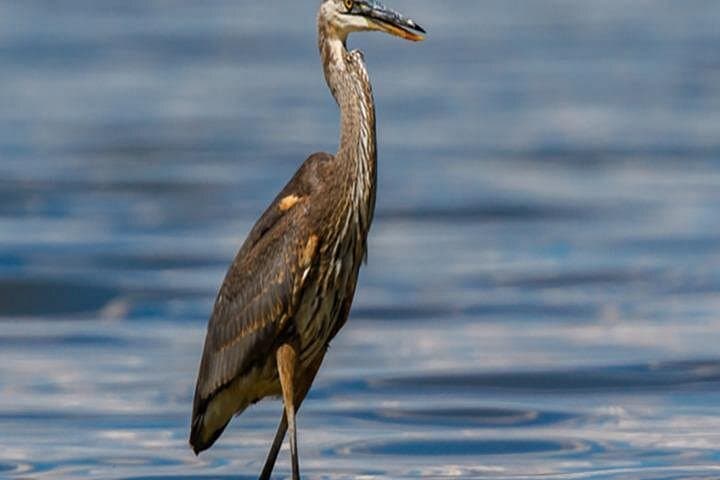
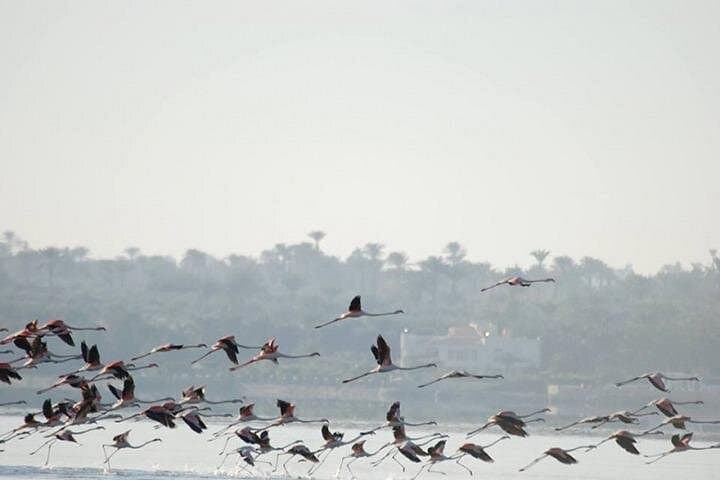
Expect common waterbirds like grebes, coots, herons and gulls; migratory seasons add ducks, waders and occasionally flamingos depending on the year.
The tour notes wheelchair accessibility and infant seats; most visits involve short, flat walks and vehicle access, but check specifics with the operator for individual needs.
Pickups are early—typically before sunrise—and the drive from Cairo is about 90–100 km (roughly 1.5–2 hours) each way depending on traffic.
Fayoum has been an agricultural heartland since Pharaonic times; changing shorelines left Lake Qarun as a saline remnant of an ancient gulf.
Wadi El Rayan is a protected area established to conserve waterbird habitat; visitors should minimize disturbance and avoid leaving waste near shorelines.
This Is Egypt Aswan operates guided outdoor trips and adventures with an emphasis on safety, stewardship, and memorable experiences.
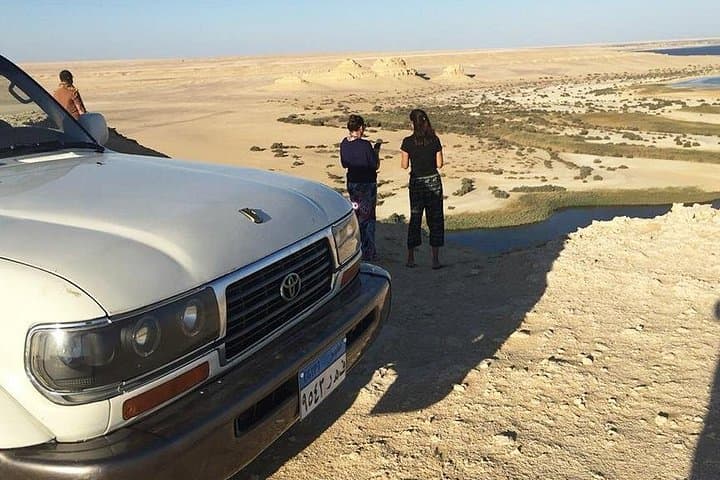
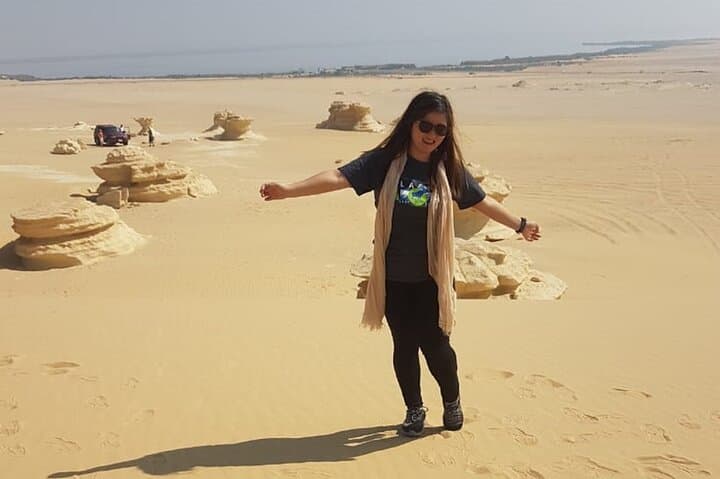
You arrive before sunrise and the road unspools west from Cairo into broad, sun-baked plains; palms and scrub slip by as the car heads toward El-Fayoum. By mid-morning the air cools near the shallow edges of Lake Qarun, where reeds rustle and waders probe the mud. The landscape pushes and pulls—quiet salt flats giving way to the carved depressions of Wadi El Rayan, where runoff has carved cliffs and created a chain of lakes that daringly claim visitors’ attention.
You arrive before sunrise and the road unspools west from Cairo into broad, sun-baked plains; palms and scrub slip by as the car heads toward El-Fayoum. By mid-morning the air cools near the shallow edges of Lake Qarun, where reeds rustle and waders probe the mud. The landscape pushes and pulls—quiet salt flats giving way to the carved depressions of Wadi El Rayan, where runoff has carved cliffs and created a chain of lakes that daringly claim visitors’ attention.
Fayoum is one of Egypt’s oldest cultivated regions, farmed since Pharaonic times and reshaped by irrigation and changing shorelines. Lake Qarun is a remnant of a larger prehistoric gulf; Wadi El Rayan became a protected area in 1989 to conserve its waterbirds and desert-adapted species. Local villages still rely on market gardens and date palms, and a late lunch at a regional restaurant ties the day’s wildlife watching to local flavors.
Practically: expect a full 12-hour day with most time roadside and on short, flat walks; trails are easy but can be sandy or uneven. Bring binoculars and a scope if you have one, sun protection and at least 1–2 liters of water, and dress in breathable layers—the desert can swing from cool morning to hot afternoon. Respect nesting birds by keeping distance and following your guide’s instructions. Travel times are about 95 km from central Cairo; most operators include hotel pickup and entrance fees, but confirm any extra charges for special airport or New Cairo pickups. The day rewards patience: expect grebes, coots, coasting gulls and, with luck, flocks of flamingos probing the shallows.