THE ADVENTURE COLLECTIVE® · Independent discovery and booking for outdoor travel

Face Class IV rapids on El Chorro, a 4-hour rafting run on Costa Rica’s Naranjo River just outside Manuel Antonio. Expect steep gorges, wildlife sightings, and guided technical paddling with hotel pickup and lunch included.
Face Class IV rapids on El Chorro, a 4-hour rafting run on Costa Rica’s Naranjo River just outside Manuel Antonio. Expect steep gorges, wildlife sightings, and guided technical paddling with hotel pickup and lunch included.
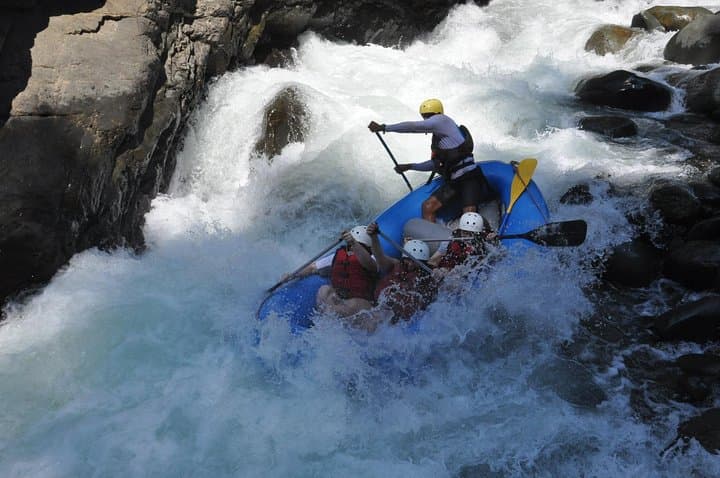
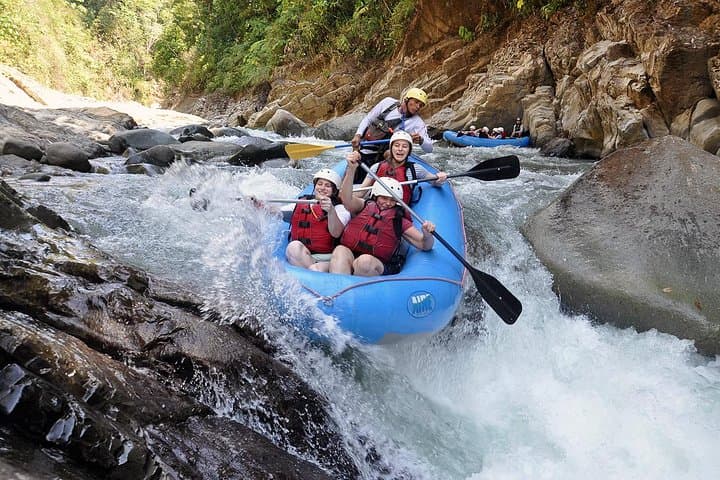
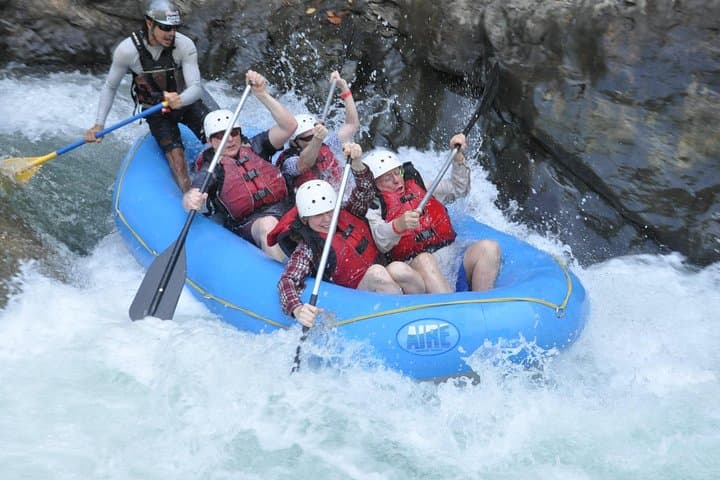
The raft slips into a narrow canyon and the river immediately asserts itself: water tumbling over boulders, surf tossing the bow, and a gorge that funnels every rapid into something sharper. On El Chorro, the Naranjo River demands attention — a Class IV run that tests timing, teamwork, and nerve about 45 minutes from the Manuel Antonio hotel strip.
Verified experiences and guided adventures in the surrounding area.
Operated by Tucanes Tours · Quepos, Puntarenas
The raft slips into a narrow canyon and the river immediately asserts itself: water tumbling over boulders, surf tossing the bow, and a gorge that funnels every rapid into something sharper. On El Chorro, the Naranjo River demands attention — a Class IV run that tests timing, teamwork, and nerve about 45 minutes from the Manuel Antonio hotel strip.
This stretch runs through coastal rainforest carved from volcanic bedrock and uplifted terraces; the gorge shows exposed river-sculpted rock and sudden drops where the river has cut deep. The area has long been used by local communities for transport and small-scale agriculture, and nearby Quepos grew as a fishing and banana-export town before tourism reshaped the economy.
Wildlife is conspicuous from the raft — toucans calling from canopy gaps, howler and capuchin monkeys moving along the trees, and occasional iguanas sunning on banks. Guides point out cultural and natural details as they read lines through eddies and boofs.
Practicalities are straightforward: expect a 4-hour outing with hotel pickup, bottled water, a boxed lunch, and professional guides. Minimum age is 16 and guests must disclose weights; it’s not recommended for pregnant travelers or those with spinal injuries. Wear a secure water shoe, quick-dry clothing, and a personal flotation device is provided. Morning departures give lower river traffic and cooler temperatures; afternoons can bring tropical showers.
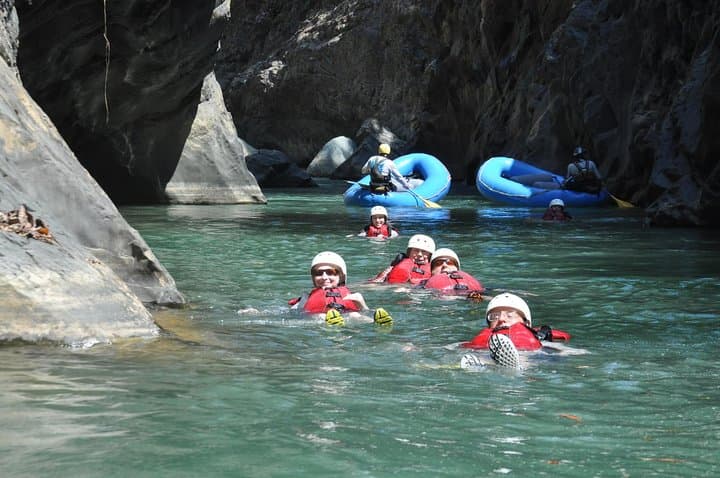
For paddlers, preparation beats bravado: hydrate well, stow electronics in dry bags, listen closely during safety briefings, and be ready to swim with a helmet and lifejacket if the raft flips. The river pushes forward — arrive prepared and it rewards with raw, close-up Costa Rican whitewater.
challenging.
4 hours.
Moderately fit — able to paddle, hold core bracing positions, and swim if needed; basic swimming ability recommended.
Minimum age is 16 years; participants under 18 may need parental consent and must meet weight and health requirements.
It’s a Class IV trip — challenging but suitable for those in decent fitness; guides handle technical decisions and brief non-experts before launching.
Yes — most bookings include round-trip hotel pickup from Manuel Antonio/Quepos, bottled water, and a provided lunch at the operation center.
Basic swimming ability is recommended; the trip is not advised for those with spinal injuries or for pregnant travelers. Discuss concerns with the operator before booking.
The Quepos/Manuel Antonio area developed from Afro-Caribbean and agricultural roots into a tourism hub; rivers like the Naranjo were traditional transport corridors and now host adventure recreation.
Operators typically follow Leave No Trace principles and limit group sizes to reduce bank erosion and wildlife disturbance; avoid single-use plastics and follow guide instructions to protect riparian habitats.
Tucanes Tours operates guided outdoor trips and adventures with an emphasis on safety, stewardship, and memorable experiences.
The raft slips into a narrow canyon and the river immediately asserts itself: water tumbling over boulders, surf tossing the bow, and a gorge that funnels every rapid into something sharper. On El Chorro, the Naranjo River demands attention — a Class IV run that tests timing, teamwork, and nerve about 45 minutes from the Manuel Antonio hotel strip.
The raft slips into a narrow canyon and the river immediately asserts itself: water tumbling over boulders, surf tossing the bow, and a gorge that funnels every rapid into something sharper. On El Chorro, the Naranjo River demands attention — a Class IV run that tests timing, teamwork, and nerve about 45 minutes from the Manuel Antonio hotel strip.
This stretch runs through coastal rainforest carved from volcanic bedrock and uplifted terraces; the gorge shows exposed river-sculpted rock and sudden drops where the river has cut deep. The area has long been used by local communities for transport and small-scale agriculture, and nearby Quepos grew as a fishing and banana-export town before tourism reshaped the economy.
Wildlife is conspicuous from the raft — toucans calling from canopy gaps, howler and capuchin monkeys moving along the trees, and occasional iguanas sunning on banks. Guides point out cultural and natural details as they read lines through eddies and boofs.
Practicalities are straightforward: expect a 4-hour outing with hotel pickup, bottled water, a boxed lunch, and professional guides. Minimum age is 16 and guests must disclose weights; it’s not recommended for pregnant travelers or those with spinal injuries. Wear a secure water shoe, quick-dry clothing, and a personal flotation device is provided. Morning departures give lower river traffic and cooler temperatures; afternoons can bring tropical showers.
For paddlers, preparation beats bravado: hydrate well, stow electronics in dry bags, listen closely during safety briefings, and be ready to swim with a helmet and lifejacket if the raft flips. The river pushes forward — arrive prepared and it rewards with raw, close-up Costa Rican whitewater.