THE ADVENTURE COLLECTIVE® · Independent discovery and booking for outdoor travel

A long, rewarding day from San Cristóbal that pairs the thunder of El Chiflón with the jewel-like lakes of Montebello. Expect long transfers, forested walks, and vivid turquoise waters—bring good shoes and plan for a full day.
A long, rewarding day from San Cristóbal that pairs the thunder of El Chiflón with the jewel-like lakes of Montebello. Expect long transfers, forested walks, and vivid turquoise waters—bring good shoes and plan for a full day.
The morning opens cool and humid as the minivan threads down valley roads out of San Cristóbal de las Casas, the city falling away in a ribbon of tile roofs and market stalls. By mid-morning the forest tightens and the sound of water—first a distant hiss, then a thunderous curtain—announces El Chiflón. The falls plunge from a high lip into turquoise pools; the river that carved them, Río San Vicente, has cut terraces and scalloped rock faces that invite brief, careful swims when conditions allow.
Verified experiences and guided adventures in the surrounding area.
Operated by OTISA · San Cristóbal de las Casas, Chiapas
The morning opens cool and humid as the minivan threads down valley roads out of San Cristóbal de las Casas, the city falling away in a ribbon of tile roofs and market stalls. By mid-morning the forest tightens and the sound of water—first a distant hiss, then a thunderous curtain—announces El Chiflón. The falls plunge from a high lip into turquoise pools; the river that carved them, Río San Vicente, has cut terraces and scalloped rock faces that invite brief, careful swims when conditions allow.
This route folds together geology and culture: the falls sit on volcanic and limestone assemblages shaped by uplift and river erosion, while the surrounding highlands remain homeland to Tzeltal and Tzotzil communities whose markets and cooking define San Cristóbal’s cultural scene. A short drive away, Lagos de Montebello spreads across a karst plain—dozens of small lakes rimmed by pine and broadleaf forest, their colors shifting from jade to cobalt as light and mineral content change.
Practical edge: expect a long day—transfer legs of several hours each way are normal—and limited services at both sites. Bring cash for park fees, a packed lunch or plan to stop in local eateries, and confirm with guides before swimming; conditions change with rainfall. Footing at viewpoints can be wet and uneven, so wear grippy shoes and a light rain layer for sudden showers. Travel early to avoid crowds and maximize light for the lakes’ color contrasts. Stay aware of park regulations, support local vendors, and pack out what you bring in; the region’s beauty depends on low-impact visitors.
moderate.
12–15 hours.
Comfortable with long vehicle transfers and short to moderate walks; should be able to handle stairs and uneven terrain.
This is a full-day excursion; plan for 12–15 hours total with multiple transfer legs—each driving segment can be 1–4 hours depending on route and traffic.
Swimming is sometimes allowed but is at the passenger’s responsibility; always confirm with your guide about current conditions and safety before entering water.
Food is not included; there are opportunities to stop at local restaurants near the lakes or small vendors at sites—carry snacks if you prefer.
The tour involves stairs, uneven paths and vehicle transfers; it is not recommended for travelers with serious mobility or spinal issues and is operated in Spanish.
The Montebello lakes occupy a karst landscape shaped by limestone and tectonics; the highlands around San Cristóbal are long-inhabited by Tzeltal and Tzotzil Maya communities.
Both El Chiflón and Lagos de Montebello are sensitive ecosystems under park protections—stick to trails, avoid single-use plastics, and respect posted swimming restrictions to reduce visitor impact.
OTISA operates guided outdoor trips and adventures with an emphasis on safety, stewardship, and memorable experiences.
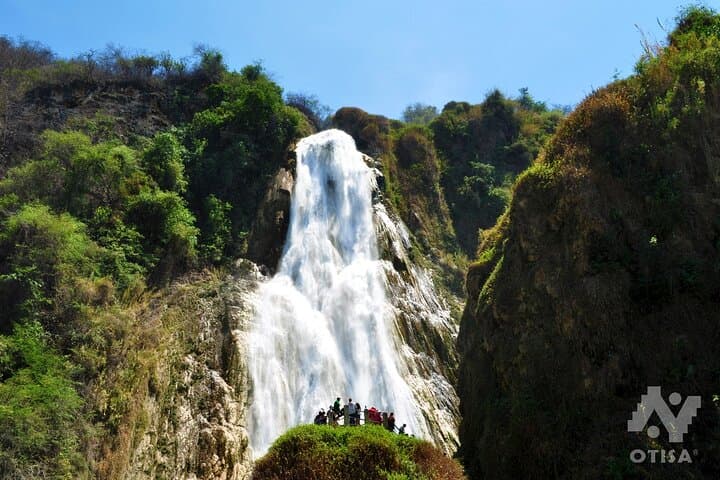
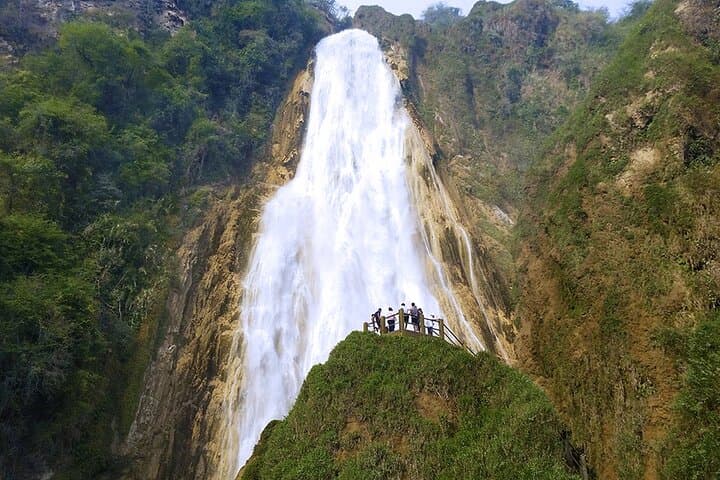
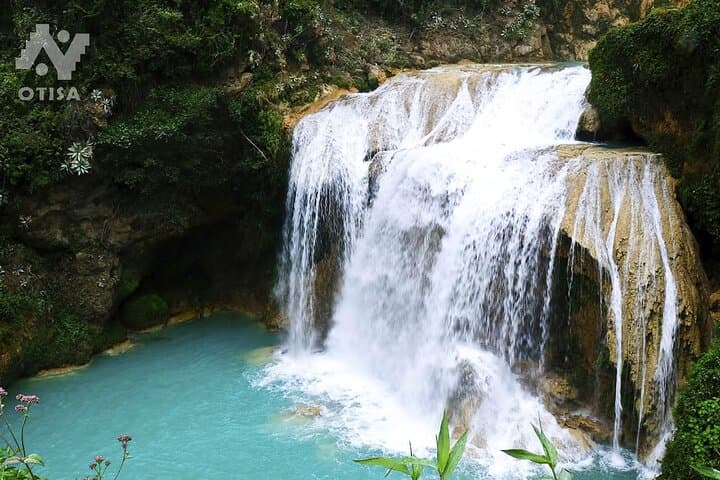
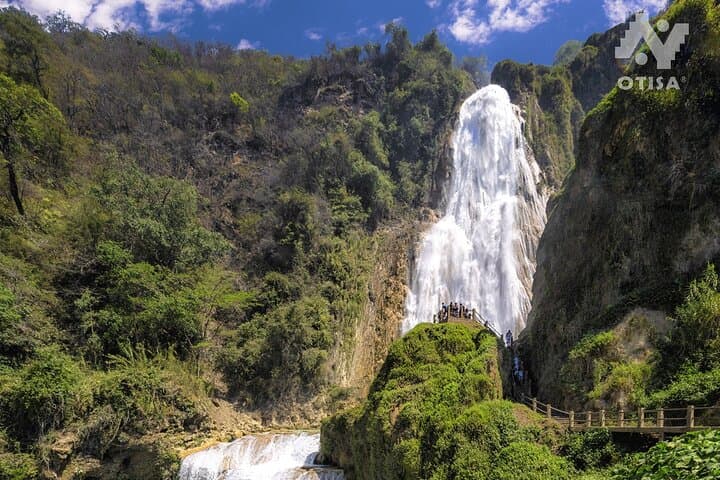
The morning opens cool and humid as the minivan threads down valley roads out of San Cristóbal de las Casas, the city falling away in a ribbon of tile roofs and market stalls. By mid-morning the forest tightens and the sound of water—first a distant hiss, then a thunderous curtain—announces El Chiflón. The falls plunge from a high lip into turquoise pools; the river that carved them, Río San Vicente, has cut terraces and scalloped rock faces that invite brief, careful swims when conditions allow.
The morning opens cool and humid as the minivan threads down valley roads out of San Cristóbal de las Casas, the city falling away in a ribbon of tile roofs and market stalls. By mid-morning the forest tightens and the sound of water—first a distant hiss, then a thunderous curtain—announces El Chiflón. The falls plunge from a high lip into turquoise pools; the river that carved them, Río San Vicente, has cut terraces and scalloped rock faces that invite brief, careful swims when conditions allow.
This route folds together geology and culture: the falls sit on volcanic and limestone assemblages shaped by uplift and river erosion, while the surrounding highlands remain homeland to Tzeltal and Tzotzil communities whose markets and cooking define San Cristóbal’s cultural scene. A short drive away, Lagos de Montebello spreads across a karst plain—dozens of small lakes rimmed by pine and broadleaf forest, their colors shifting from jade to cobalt as light and mineral content change.
Practical edge: expect a long day—transfer legs of several hours each way are normal—and limited services at both sites. Bring cash for park fees, a packed lunch or plan to stop in local eateries, and confirm with guides before swimming; conditions change with rainfall. Footing at viewpoints can be wet and uneven, so wear grippy shoes and a light rain layer for sudden showers. Travel early to avoid crowds and maximize light for the lakes’ color contrasts. Stay aware of park regulations, support local vendors, and pack out what you bring in; the region’s beauty depends on low-impact visitors.