THE ADVENTURE COLLECTIVE® · Independent discovery and booking for outdoor travel

Spend a full day traveling from El Calafate into Los Glaciares National Park to hike self‑guided trails toward Fitz Roy. Expect 5–6 hours of walking through forests, waterfalls and viewpoints with practical, low‑impact trail etiquette.
Spend a full day traveling from El Calafate into Los Glaciares National Park to hike self‑guided trails toward Fitz Roy. Expect 5–6 hours of walking through forests, waterfalls and viewpoints with practical, low‑impact trail etiquette.
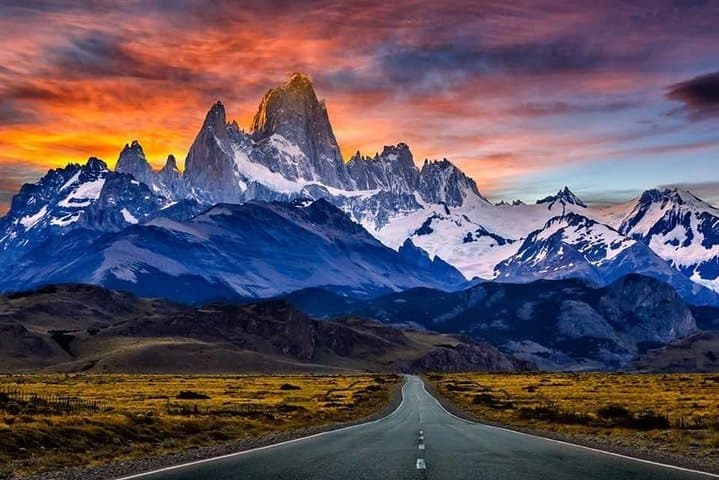
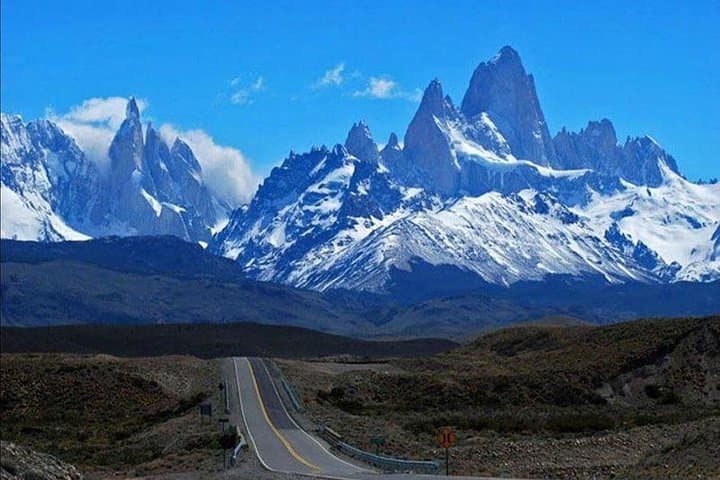
You step off the air‑conditioned minivan into a wind that has a purpose: it pushes clouds through the valleys and clears a view of jagged granite teeth — Fitz Roy and its satellite spires — that seem to grow out of the steppe itself.
Verified experiences and guided adventures in the surrounding area.
Operated by Argentina Travel Online · El Chaltén, Santa Cruz Province
You step off the air‑conditioned minivan into a wind that has a purpose: it pushes clouds through the valleys and clears a view of jagged granite teeth — Fitz Roy and its satellite spires — that seem to grow out of the steppe itself.
This full‑day trip moves from flat Argentine plains into Los Glaciares National Park, a landscape forged by repeated glaciation. The region’s geology is dominated by hard granites and glacial moraines; ice carved the U‑shaped valleys, leaving small hanging lakes and waterfalls like Chorrillo del Salto.
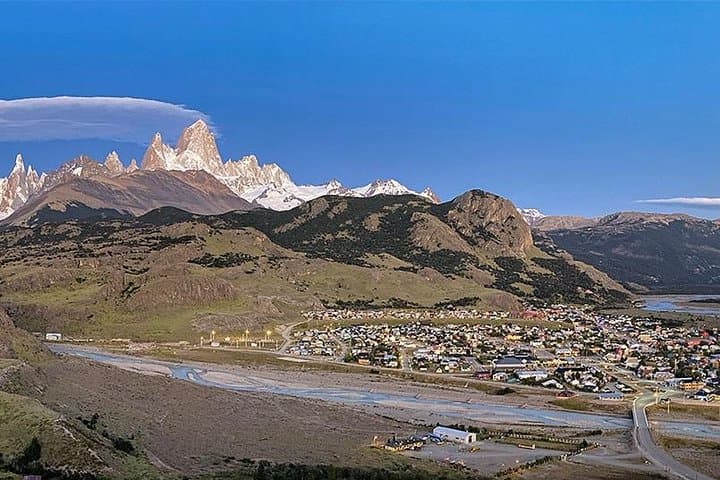
El Chaltén itself is a young frontier village, founded in the 1980s and now the self-styled capital of Argentine trekking. Local guiding culture emphasizes low-impact use and shared trail knowledge — expect friendly tips from hostel owners and trail signs in Spanish and English.
On the trail you’ll encounter a variety of terrain: packed dirt and sandy steppe, rockier uphill sections, boardwalks across peat and beaver‑altered streams, and a few exposed climbs to viewpoints. Typical guided schedules allow 5–6 hours of walking; plan for 8–12 km of hiking with short bursts of 300–700 m elevation gain depending on which viewpoint you choose.
Practical guidance: start early to avoid afternoon winds, carry at least 2 liters of water and a substantial box lunch, and wear waterproof layers and sturdy boots — Patagonia weather changes rapidly. Respect park rules: stay on marked trails, carry out trash, and give condors and guanacos space. With basic preparation this full‑day shuttle from El Calafate delivers a concentrated dose of Fitz Roy’s drama in a single, doable outing.
moderate.
5–6 hours walking (full‑day including transport ~12 hours).
Suitable for hikers who can cover 8–12 km with 300–700 m climbs; basic endurance required for uneven terrain.
The drive is roughly 200–220 km and takes about 3 to 3.5 hours each way on paved and gravel roads, depending on conditions.
This excursion provides transport and a boxed lunch; the walking portion is self‑guided so you choose which viewpoint routes to follow once in El Chaltén.
Moderate fitness is recommended — expect 5–6 hours of walking over uneven terrain; no technical climbing skills are required.
Late spring to early autumn (November to March) offers longer daylight and more stable weather, but mornings are generally your best bet for clear visibility any season.
Los Glaciares National Park was created in 1937 to protect a landscape carved by ice; El Chaltén was established in the 1980s and quickly became a trekking hub.
Trails cross fragile steppe and glacial outwash; follow Leave No Trace, avoid off‑trail shortcuts, and respect seasonal closures to protect vegetation and nesting birds.
Argentina Travel Online operates guided outdoor trips and adventures with an emphasis on safety, stewardship, and memorable experiences.
You step off the air‑conditioned minivan into a wind that has a purpose: it pushes clouds through the valleys and clears a view of jagged granite teeth — Fitz Roy and its satellite spires — that seem to grow out of the steppe itself.
You step off the air‑conditioned minivan into a wind that has a purpose: it pushes clouds through the valleys and clears a view of jagged granite teeth — Fitz Roy and its satellite spires — that seem to grow out of the steppe itself.
This full‑day trip moves from flat Argentine plains into Los Glaciares National Park, a landscape forged by repeated glaciation. The region’s geology is dominated by hard granites and glacial moraines; ice carved the U‑shaped valleys, leaving small hanging lakes and waterfalls like Chorrillo del Salto.
El Chaltén itself is a young frontier village, founded in the 1980s and now the self-styled capital of Argentine trekking. Local guiding culture emphasizes low-impact use and shared trail knowledge — expect friendly tips from hostel owners and trail signs in Spanish and English.
On the trail you’ll encounter a variety of terrain: packed dirt and sandy steppe, rockier uphill sections, boardwalks across peat and beaver‑altered streams, and a few exposed climbs to viewpoints. Typical guided schedules allow 5–6 hours of walking; plan for 8–12 km of hiking with short bursts of 300–700 m elevation gain depending on which viewpoint you choose.
Practical guidance: start early to avoid afternoon winds, carry at least 2 liters of water and a substantial box lunch, and wear waterproof layers and sturdy boots — Patagonia weather changes rapidly. Respect park rules: stay on marked trails, carry out trash, and give condors and guanacos space. With basic preparation this full‑day shuttle from El Calafate delivers a concentrated dose of Fitz Roy’s drama in a single, doable outing.