THE ADVENTURE COLLECTIVE® · Independent discovery and booking for outdoor travel

This full-day excursion from Cancún pairs a climbable Maya acropolis with a cavern cenote swim and a colonial town meal. Expect nine hours of varied terrain, water, and cultural stops—great for travelers who want history, a cool dip, and authentic Yucatecan food in one day.
This full-day excursion from Cancún pairs a climbable Maya acropolis with a cavern cenote swim and a colonial town meal. Expect nine hours of varied terrain, water, and cultural stops—great for travelers who want history, a cool dip, and authentic Yucatecan food in one day.
A pre-dawn shuttle slips out of Cancún and the highway flattens into tropical lowland: low limestone scrub, scattered ceiba trees and a humidity that smells like green stone. By mid-morning the Acropolis at Ek Balam rises from the jungle — raw, stepped limestone you can still climb — and the view from its summit opens across a sea of canopy, birds calling and the ruined city stretching to the horizon.
Verified experiences and guided adventures in the surrounding area.
Operated by Nicolas Munevar · Valladolid, Yucatán
A pre-dawn shuttle slips out of Cancún and the highway flattens into tropical lowland: low limestone scrub, scattered ceiba trees and a humidity that smells like green stone. By mid-morning the Acropolis at Ek Balam rises from the jungle — raw, stepped limestone you can still climb — and the view from its summit opens across a sea of canopy, birds calling and the ruined city stretching to the horizon.
Ek Balam is a Late Classic Maya site where carved stucco facades and intact construction reveal a city built on ritual, administration and trade; the Acropolis was a civic-religious focal point. Geologically the region sits on porous Yucatán limestone, which dissolves into sinkholes and cenotes — Hubiku is one of those dramatic water-filled caverns formed when ceilings collapsed and a shaft of light finds the pool.
Valladolid closes the loop: a colonial grid of pastel facades, a 16th-century convent and plazas where the region’s cuisine — cochinita pibil, panuchos and marquesitas — shows Mayan and Spanish influences.
Plan for a full 9-hour day with early pickup from Cancún. Wear sturdy walking shoes for uneven archaeology stones and bring swimwear and water shoes for Hubiku; rinse off sunscreen before entering the cenote to protect water quality. Carry cash for local food and small purchases; bottled water and snacks are usually provided on tour but extra hydration is smart. Expect light, humid conditions — mornings are best for photos and smaller crowds. Be ready for short climbs, narrow stairs and wet surfaces; move deliberately and give wildlife space.
moderate.
9 hours.
Moderate fitness: able to walk uneven ground, climb steep stone steps and swim in cool cenote water.
Yes — the tour includes admission to Ek Balam and Hubiku cenote as stated in the booking inclusions.
Yes; Ek Balam allows visitors to climb the main structures but exercise caution on steep, worn steps.
Generally yes — the tour description lists it as suitable for most fitness levels, but children and older adults should be comfortable with uneven ground and short climbs.
Not recommended — the operator flags the experience as unsuitable for pregnant travelers due to stairs, swimming, and transport.
Ek Balam flourished in the Late Classic period; distinctive stucco sculptures and inscriptions indicate its regional importance in Yucatec Maya politics and ritual.
Avoid applying chemical sunscreen before swimming, stick to marked paths at archaeological sites, and support local guides and small vendors to keep tourism benefits in the community.
Nicolas Munevar operates guided outdoor trips and adventures with an emphasis on safety, stewardship, and memorable experiences.
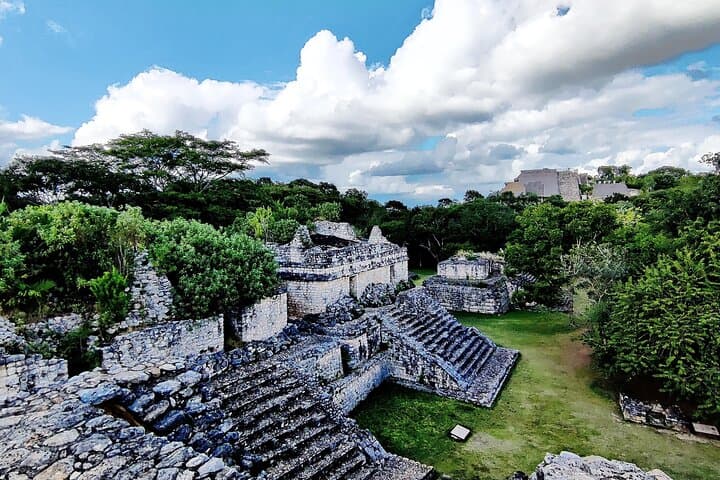


A pre-dawn shuttle slips out of Cancún and the highway flattens into tropical lowland: low limestone scrub, scattered ceiba trees and a humidity that smells like green stone. By mid-morning the Acropolis at Ek Balam rises from the jungle — raw, stepped limestone you can still climb — and the view from its summit opens across a sea of canopy, birds calling and the ruined city stretching to the horizon.
A pre-dawn shuttle slips out of Cancún and the highway flattens into tropical lowland: low limestone scrub, scattered ceiba trees and a humidity that smells like green stone. By mid-morning the Acropolis at Ek Balam rises from the jungle — raw, stepped limestone you can still climb — and the view from its summit opens across a sea of canopy, birds calling and the ruined city stretching to the horizon.
Ek Balam is a Late Classic Maya site where carved stucco facades and intact construction reveal a city built on ritual, administration and trade; the Acropolis was a civic-religious focal point. Geologically the region sits on porous Yucatán limestone, which dissolves into sinkholes and cenotes — Hubiku is one of those dramatic water-filled caverns formed when ceilings collapsed and a shaft of light finds the pool.
Valladolid closes the loop: a colonial grid of pastel facades, a 16th-century convent and plazas where the region’s cuisine — cochinita pibil, panuchos and marquesitas — shows Mayan and Spanish influences.
Plan for a full 9-hour day with early pickup from Cancún. Wear sturdy walking shoes for uneven archaeology stones and bring swimwear and water shoes for Hubiku; rinse off sunscreen before entering the cenote to protect water quality. Carry cash for local food and small purchases; bottled water and snacks are usually provided on tour but extra hydration is smart. Expect light, humid conditions — mornings are best for photos and smaller crowds. Be ready for short climbs, narrow stairs and wet surfaces; move deliberately and give wildlife space.