THE ADVENTURE COLLECTIVE® · Independent discovery and booking for outdoor travel

Turn Eindhoven’s streets into a playable map with a self-guided e-scavenger hunt—perfect for families or small groups. Follow the app, solve riddles at historic sites, and explore industrial-era neighborhoods reimagined for design and culture.
Turn Eindhoven’s streets into a playable map with a self-guided e-scavenger hunt—perfect for families or small groups. Follow the app, solve riddles at historic sites, and explore industrial-era neighborhoods reimagined for design and culture.
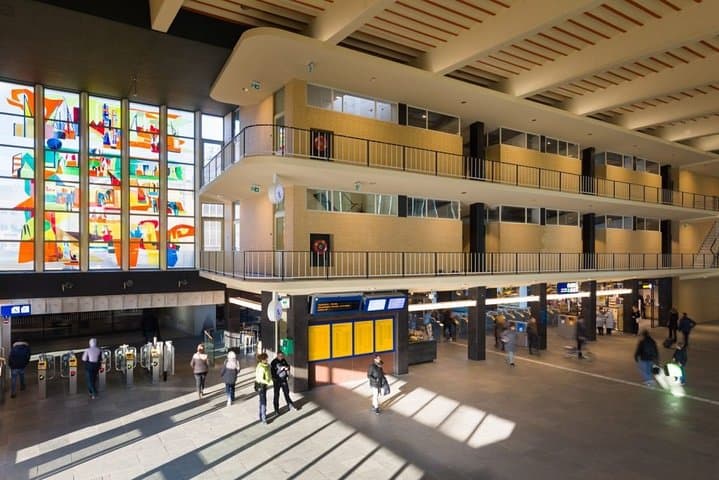
You step out of the train station into brisk Dutch air and your phone becomes a compass: the Qula City Trail nudges you toward a fountain square, through a market lane and past a former factory retooled into creative studios. The route threads modernist streets and green traces of the Dommel River, with puzzles that make landmarks feel like checkpoints in a low-stakes urban adventure.
Verified experiences and guided adventures in the surrounding area.
Operated by Qula · Eindhoven, North Brabant
You step out of the train station into brisk Dutch air and your phone becomes a compass: the Qula City Trail nudges you toward a fountain square, through a market lane and past a former factory retooled into creative studios. The route threads modernist streets and green traces of the Dommel River, with puzzles that make landmarks feel like checkpoints in a low-stakes urban adventure.
Eindhoven grew rapidly in the 20th century around Philips and the lightbulb industry; that industrial pulse shaped neighborhoods like Strijp-S, where warehouses are now galleries and cafés. Geologically the city sits on the flat sands of North Brabant, so expect paved streets and almost no climb—typical routes run 3–5 km with under 50 m cumulative elevation gain, easy on feet and prams alike. Cultural touchpoints include the Van Abbemuseum’s modern art, the DAF and Philips histories, and a thriving design scene celebrated each October at Dutch Design Week.
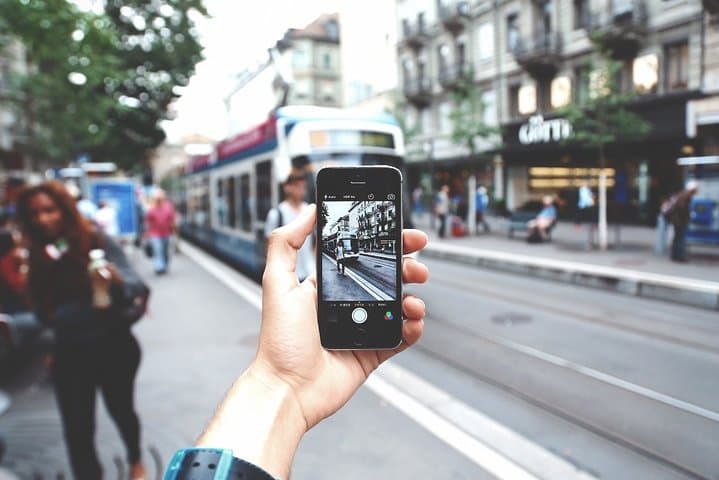
Practically, the game is fully self-guided via a smartphone app available in multiple languages and usable any time—start, pause or stop when you want. It’s designed for groups of 2–6, family-friendly, and wheelchair/stroller accessible. Bring a charged phone, a small power bank, comfortable shoes and a light rain layer; signal is generally good but some older buildings can block GPS briefly. Allow 2–3 hours to take your time, hunt for answers, and grab a coffee between challenges. This is low-impact, locally minded fun that turns downtown walking into a playful way to learn the city’s industrial roots and modern creative rebound.
easy.
2–3 hours.
Suitable for most fitness levels; mostly flat walking with frequent stops for puzzles
Plan 2–3 hours to complete the route at a relaxed pace; you can pause and resume anytime since the tour is self-guided.
No—there are no fixed start times. After booking you receive instructions and can start whenever it suits you.
Yes, the route uses paved streets and public squares and is marked as stroller and wheelchair accessible.
The experience is priced for a group of 2–6 people; larger groups should book separately or split into teams.
Eindhoven’s rapid growth in the 20th century was driven by Philips and related industries; many former industrial sites now host museums, design hubs and creative businesses.
The city promotes sustainable mobility—expect bike lanes and walkable routes; keep to paths, avoid littering, and support local businesses to minimize impact.
Qula operates guided outdoor trips and adventures with an emphasis on safety, stewardship, and memorable experiences.

You step out of the train station into brisk Dutch air and your phone becomes a compass: the Qula City Trail nudges you toward a fountain square, through a market lane and past a former factory retooled into creative studios. The route threads modernist streets and green traces of the Dommel River, with puzzles that make landmarks feel like checkpoints in a low-stakes urban adventure.
You step out of the train station into brisk Dutch air and your phone becomes a compass: the Qula City Trail nudges you toward a fountain square, through a market lane and past a former factory retooled into creative studios. The route threads modernist streets and green traces of the Dommel River, with puzzles that make landmarks feel like checkpoints in a low-stakes urban adventure.
Eindhoven grew rapidly in the 20th century around Philips and the lightbulb industry; that industrial pulse shaped neighborhoods like Strijp-S, where warehouses are now galleries and cafés. Geologically the city sits on the flat sands of North Brabant, so expect paved streets and almost no climb—typical routes run 3–5 km with under 50 m cumulative elevation gain, easy on feet and prams alike. Cultural touchpoints include the Van Abbemuseum’s modern art, the DAF and Philips histories, and a thriving design scene celebrated each October at Dutch Design Week.
Practically, the game is fully self-guided via a smartphone app available in multiple languages and usable any time—start, pause or stop when you want. It’s designed for groups of 2–6, family-friendly, and wheelchair/stroller accessible. Bring a charged phone, a small power bank, comfortable shoes and a light rain layer; signal is generally good but some older buildings can block GPS briefly. Allow 2–3 hours to take your time, hunt for answers, and grab a coffee between challenges. This is low-impact, locally minded fun that turns downtown walking into a playful way to learn the city’s industrial roots and modern creative rebound.