THE ADVENTURE COLLECTIVE® · Independent discovery and booking for outdoor travel

Board a glass elevator and rise above the Seine to panoramic views of Paris on a semi-private guided ascent to the Eiffel Tower’s top tiers. This small-group tour blends engineering history, curated viewpoints, and timed logistics to make the most of a landmark visit.
Board a glass elevator and rise above the Seine to panoramic views of Paris on a semi-private guided ascent to the Eiffel Tower’s top tiers. This small-group tour blends engineering history, curated viewpoints, and timed logistics to make the most of a landmark visit.
You step into a glass elevator and the city recedes: rooftops, the Seine tracing silver, arrondissements folding out like a map. The lift rises through iron lattice to 276 meters, and Paris—streets, monuments, the curve of the river—becomes legible.
Verified experiences and guided adventures in the surrounding area.
Operated by LivTours · Paris, Île-de-France
You step into a glass elevator and the city recedes: rooftops, the Seine tracing silver, arrondissements folding out like a map. The lift rises through iron lattice to 276 meters, and Paris—streets, monuments, the curve of the river—becomes legible.
The Eiffel Tower began as an 1889 World's Fair curiosity and evolved into a working piece of engineering and culture. Its iron beams sit on foundations sunk into the Champ de Mars soils alongside the Seine; much of central Paris sits on soft alluvial sediments capped by the renowned Lutetian limestone used in nearby facades. Inside, the summit houses a recreated office of Gustave Eiffel and small exhibitions that trace the tower’s social role—from radio antenna to cinematic backdrop.
Local rhythm matters: Parisians picnic on the Champ de Mars, photographers gather at Trocadéro at sunrise, and cafés around Avenue de la Bourdonnais buzz after sunset. Expect security checks and queues—even with a guide, plan extra time during high season.
Practical guidance: meet at 14 Av. de la Bourdonnais 10–15 minutes early, carry ID and your mobile ticket, and travel light—large bags may be restricted. The guided glass-elevator ascent provides context and history; guides point out sightlines to the Louvre, Sacré-Cœur, and La Défense. If the summit is temporarily closed, tours typically include the 2nd Tier and refund the difference. For best light, target late afternoon for softer shadows or early morning to avoid crowds. Bring a windproof layer—the higher you go, the more the air moves—plus a charged phone or compact camera for wide urban panoramas.
easy.
2 hours.
Suitable for most fitness levels; involves short periods of standing and stair/elevator transitions.
The tour includes summit access by lift when available; scheduled maintenance can close the summit and tours will include the 2nd Tier with a partial refund if applicable.
Meet at Paris Mon Amour Gourmet, 14 Av. de la Bourdonnais; bring a valid ID, your booking confirmation, and minimal baggage for security checks.
Yes—elevator access makes it suitable for most visitors, but inform the operator in advance if special assistance is needed.
Yes—most tickets allow additional time after the tour, so you can linger, photograph, or buy a drink if permitted.
Constructed for the 1889 Exposition Universelle, Gustave Eiffel’s tower showcased iron-frame engineering and later adapted for communications and public events.
Visitor management and scheduled maintenance protect structural integrity; stick to designated areas, carry out trash, and follow staff directions to minimize impact.
LivTours operates guided outdoor trips and adventures with an emphasis on safety, stewardship, and memorable experiences.
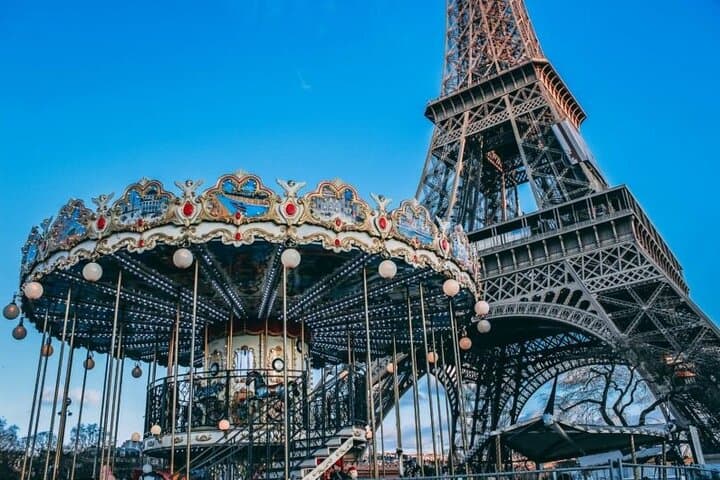
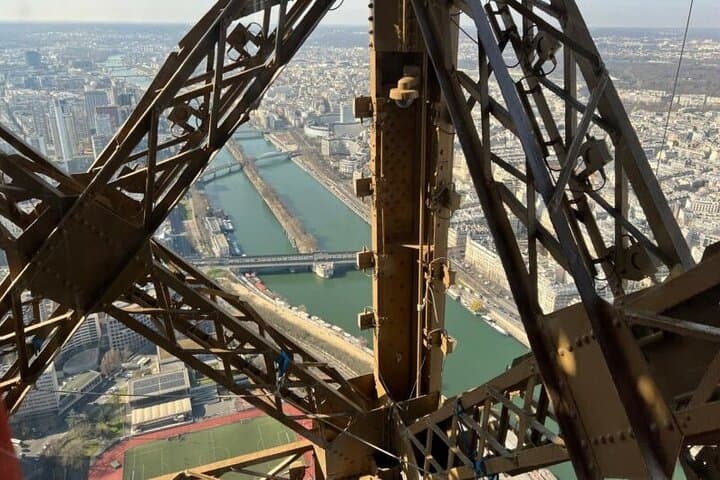
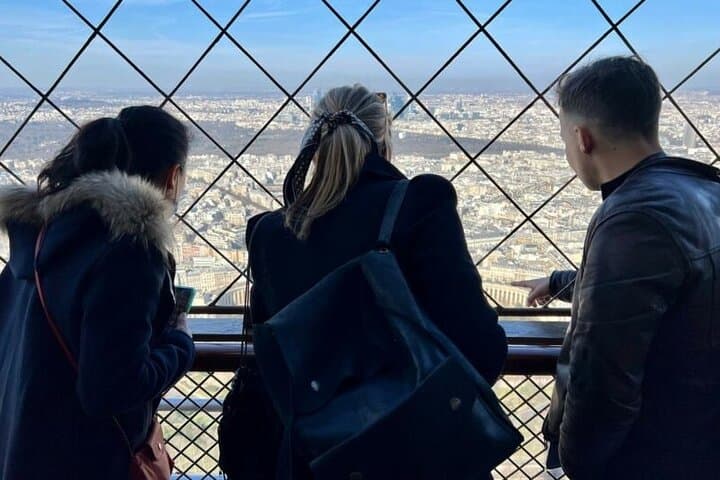
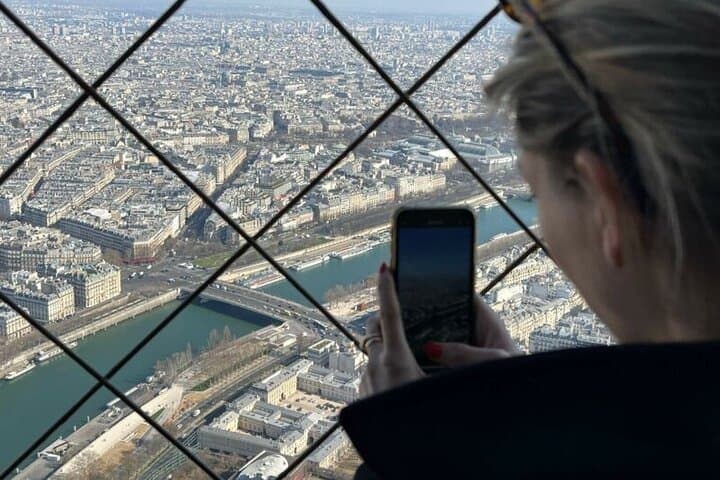
You step into a glass elevator and the city recedes: rooftops, the Seine tracing silver, arrondissements folding out like a map. The lift rises through iron lattice to 276 meters, and Paris—streets, monuments, the curve of the river—becomes legible.
You step into a glass elevator and the city recedes: rooftops, the Seine tracing silver, arrondissements folding out like a map. The lift rises through iron lattice to 276 meters, and Paris—streets, monuments, the curve of the river—becomes legible.
The Eiffel Tower began as an 1889 World's Fair curiosity and evolved into a working piece of engineering and culture. Its iron beams sit on foundations sunk into the Champ de Mars soils alongside the Seine; much of central Paris sits on soft alluvial sediments capped by the renowned Lutetian limestone used in nearby facades. Inside, the summit houses a recreated office of Gustave Eiffel and small exhibitions that trace the tower’s social role—from radio antenna to cinematic backdrop.
Local rhythm matters: Parisians picnic on the Champ de Mars, photographers gather at Trocadéro at sunrise, and cafés around Avenue de la Bourdonnais buzz after sunset. Expect security checks and queues—even with a guide, plan extra time during high season.
Practical guidance: meet at 14 Av. de la Bourdonnais 10–15 minutes early, carry ID and your mobile ticket, and travel light—large bags may be restricted. The guided glass-elevator ascent provides context and history; guides point out sightlines to the Louvre, Sacré-Cœur, and La Défense. If the summit is temporarily closed, tours typically include the 2nd Tier and refund the difference. For best light, target late afternoon for softer shadows or early morning to avoid crowds. Bring a windproof layer—the higher you go, the more the air moves—plus a charged phone or compact camera for wide urban panoramas.