THE ADVENTURE COLLECTIVE® · Independent discovery and booking for outdoor travel

Skip the ticket scramble and let a guide shepherd you through security and elevators to the Eiffel Tower’s summit or second floor. Expect historical context, panoramic city views, and practical tips for timing, tickets, and weather.
Skip the ticket scramble and let a guide shepherd you through security and elevators to the Eiffel Tower’s summit or second floor. Expect historical context, panoramic city views, and practical tips for timing, tickets, and weather.
You arrive at Avenue de la Bourdonnais with the tower rising like an iron lattice above the city, the Seine daring you to follow its curve toward the Champ de Mars. The guide meets you outside the FRANPRIX, checks tickets, and threads a clear path through security and the elevator lines — the choreography of a busy monument made simple.
Verified experiences and guided adventures in the surrounding area.
Operated by TripsMonster.com · Paris, Île-de-France
You arrive at Avenue de la Bourdonnais with the tower rising like an iron lattice above the city, the Seine daring you to follow its curve toward the Champ de Mars. The guide meets you outside the FRANPRIX, checks tickets, and threads a clear path through security and the elevator lines — the choreography of a busy monument made simple.
Built for the 1889 Exposition Universelle and engineered by Gustave Eiffel, the tower is both an industrial milestone and a cultural compass. Its wrought-iron ribs expose Paris’s industrial age; from the summit, boulevards and river bends organize the city like a living map. Geology plays a quiet role — the tower sits on compacted alluvial soils carved by the Seine — and the nearby parks have been shaped by centuries of urban planning and festivals.
Local rhythm matters: lunch-hour crowds swell on the esplanade, photographers stake out the north face at golden hour, and security checks are routine. Expect wait times of 30–120 minutes depending on season and time of day; summit access can be restricted for weather or technical reasons.
Practical guidance: arrive 15 minutes early, bring a mobile or printed ticket, and layer clothing — wind increases with elevation. Keep valuables secured during crowds and allow extra time for photo stops. If the summit is closed, the second floor still offers broad views and clear sightlines of Paris’s landmarks.
This guided lift tour reduces hassle and adds context, letting you focus on the sweep of Paris below rather than the logistics above.
easy.
2 hours.
Suitable for all fitness levels; requires standing and some walking on flat surfaces and through security lines
Mobile or paper tickets are accepted; have whichever format you booked ready at the meeting point.
The guide escorts the group to the entrance and facilitates elevator tickets; summit access depends on the option selected and tower operational status.
If the summit is closed for weather or technical reasons you may be limited to the second floor; refunds or partial refunds follow Eiffel Tower authority policies.
The activity is described as physically easy, but security checks and elevators are required; contact organizers in advance for accessibility information.
Completed in 1889 for the Exposition Universelle, the Eiffel Tower showcased engineering advances and has since become a global cultural icon.
High visitor volume requires responsible behavior — follow waste rules, respect barriers, and avoid contributing to noise or litter at the site.
TripsMonster.com operates guided outdoor trips and adventures with an emphasis on safety, stewardship, and memorable experiences.
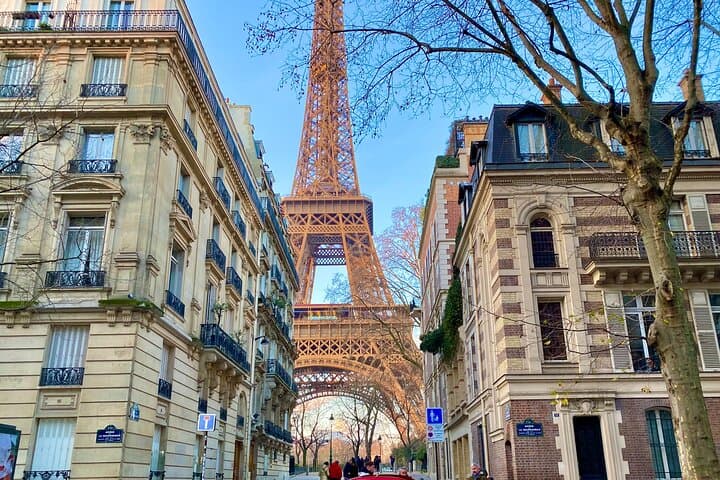
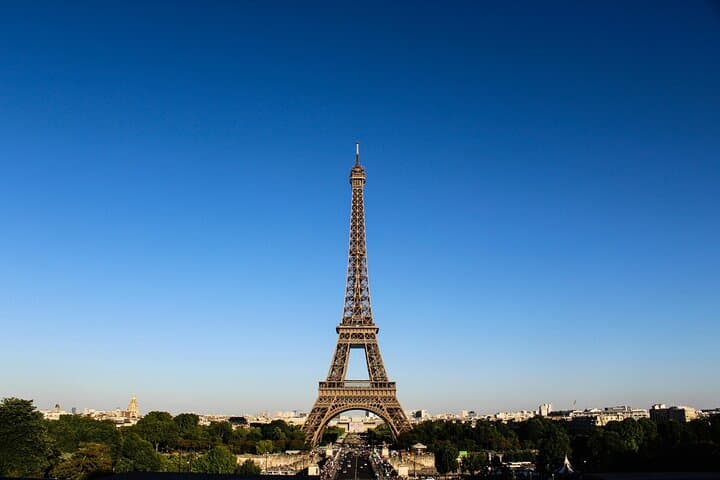
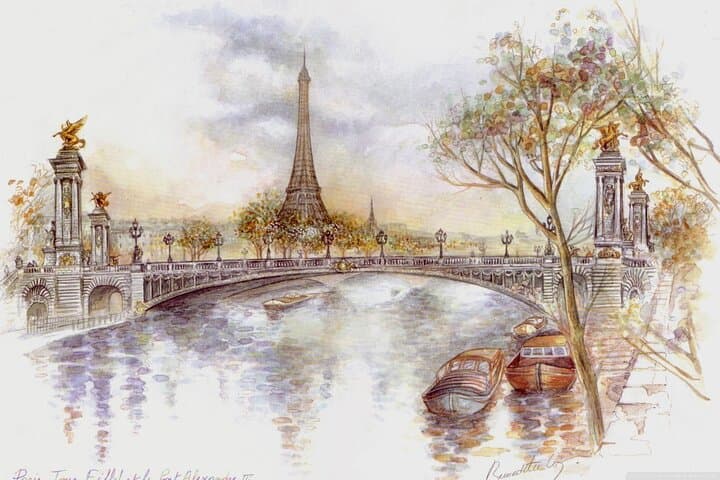
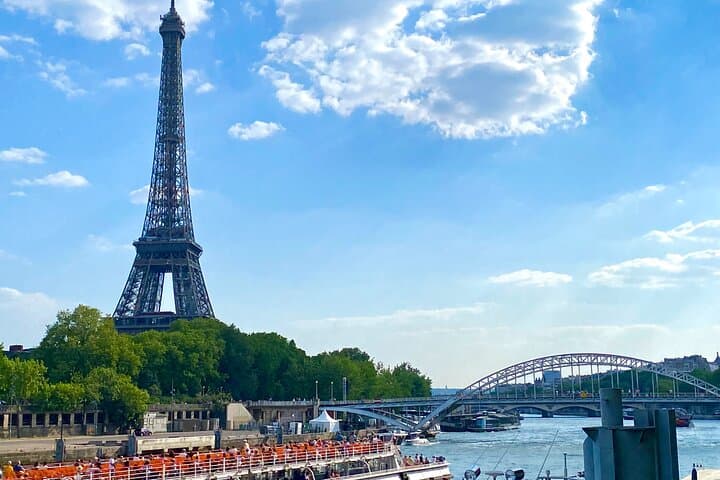
You arrive at Avenue de la Bourdonnais with the tower rising like an iron lattice above the city, the Seine daring you to follow its curve toward the Champ de Mars. The guide meets you outside the FRANPRIX, checks tickets, and threads a clear path through security and the elevator lines — the choreography of a busy monument made simple.
You arrive at Avenue de la Bourdonnais with the tower rising like an iron lattice above the city, the Seine daring you to follow its curve toward the Champ de Mars. The guide meets you outside the FRANPRIX, checks tickets, and threads a clear path through security and the elevator lines — the choreography of a busy monument made simple.
Built for the 1889 Exposition Universelle and engineered by Gustave Eiffel, the tower is both an industrial milestone and a cultural compass. Its wrought-iron ribs expose Paris’s industrial age; from the summit, boulevards and river bends organize the city like a living map. Geology plays a quiet role — the tower sits on compacted alluvial soils carved by the Seine — and the nearby parks have been shaped by centuries of urban planning and festivals.
Local rhythm matters: lunch-hour crowds swell on the esplanade, photographers stake out the north face at golden hour, and security checks are routine. Expect wait times of 30–120 minutes depending on season and time of day; summit access can be restricted for weather or technical reasons.
Practical guidance: arrive 15 minutes early, bring a mobile or printed ticket, and layer clothing — wind increases with elevation. Keep valuables secured during crowds and allow extra time for photo stops. If the summit is closed, the second floor still offers broad views and clear sightlines of Paris’s landmarks.
This guided lift tour reduces hassle and adds context, letting you focus on the sweep of Paris below rather than the logistics above.