THE ADVENTURE COLLECTIVE® · Independent discovery and booking for outdoor travel

Climb the Eiffel Tower by stairs to the 2nd floor, then ride an elevator to the Summit for sweeping 360° views of Paris. This guided experience balances physical climb with an expedited ascent to the very top.
Climb the Eiffel Tower by stairs to the 2nd floor, then ride an elevator to the Summit for sweeping 360° views of Paris. This guided experience balances physical climb with an expedited ascent to the very top.
You step from the plaza sunlight into the iron lattice and begin climbing—the tower’s rhythm is a measured set of steps, the city spreading outward like a living map beneath your feet.
Verified experiences and guided adventures in the surrounding area.
Operated by Adventour · Paris, Île-de-France
You step from the plaza sunlight into the iron lattice and begin climbing—the tower’s rhythm is a measured set of steps, the city spreading outward like a living map beneath your feet.
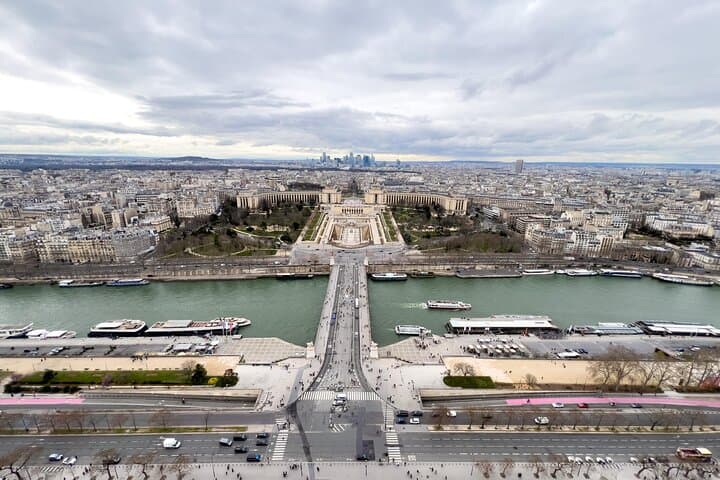
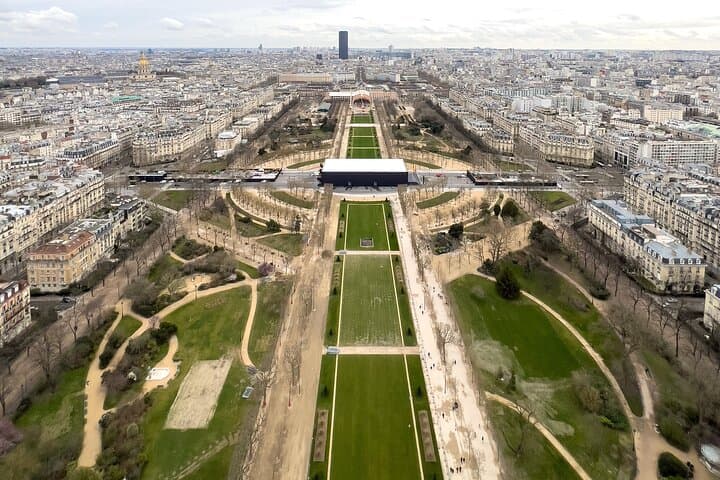
Originally built for the 1889 Exposition Universelle, the Eiffel Tower was an engineering declaration as much as a lookout. Gustave Eiffel’s structure transformed Paris’s skyline and now offers layered perspectives: the intimate geometry of the Champ de Mars at your feet, Haussmann avenues fanning west, and the Seine carving the city in silver.
Geology doesn’t shape Paris the way it shapes mountain trails, but the view reads the city’s human geology—bridges, domes, and rooftops stacked by centuries of design. Cultural landmarks—Invalides, Notre-Dame’s silhouette on clear days, and Sacré-Cœur on the northern ridge—become reference points for modern Parisian life.
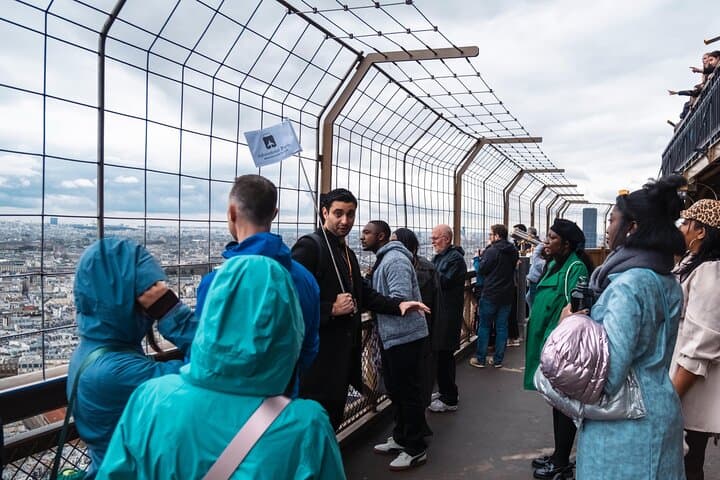
Practical guidance: expect a guided climb to the 2nd floor by stairs followed by an elevator to the Summit; the full visit is typically about an hour. The stairs are steady but require moderate fitness and stair-confidence—there are breaks and viewing platforms along the way. Book a timed ticket to avoid long queues, carry a compact water bottle, and leave large luggage behind; security checks are standard. Early morning or late-afternoon slots cut crowding and offer softer light for photos. Weather can reduce visibility at the Summit, so plan a backup photo opportunity in nearby Trocadéro or along the Seine.
This is an urban ascent where pace, planning, and Respect for site rules guarantee the best views and a smoother visit.
moderate.
1 hour.
Requires stair-climbing ability and moderate cardiovascular fitness; occasional pauses are available.
No—this tour uses stairs to reach the 2nd floor, then an elevator carries guests from the 2nd floor to the Summit.
Yes—there is wheelchair access via elevator routes; the tour notes wheelchair accessibility but check specific meeting-point and assistance details when booking.
Climbing by stairs requires moderate fitness; the tour is not recommended for travelers with serious heart or spinal conditions or for pregnant guests.
The tour runs about 60 minutes; book in advance—especially during high season—to secure preferred time slots and avoid long onsite queues.
Completed for the 1889 World’s Fair, the Eiffel Tower was a cutting-edge iron structure that became a symbol of modern Paris.
Visitor management focuses on protecting the historic ironwork and reducing litter; follow staff directions and use bins—crowd control is important to limit wear on the site.
Adventour operates guided outdoor trips and adventures with an emphasis on safety, stewardship, and memorable experiences.
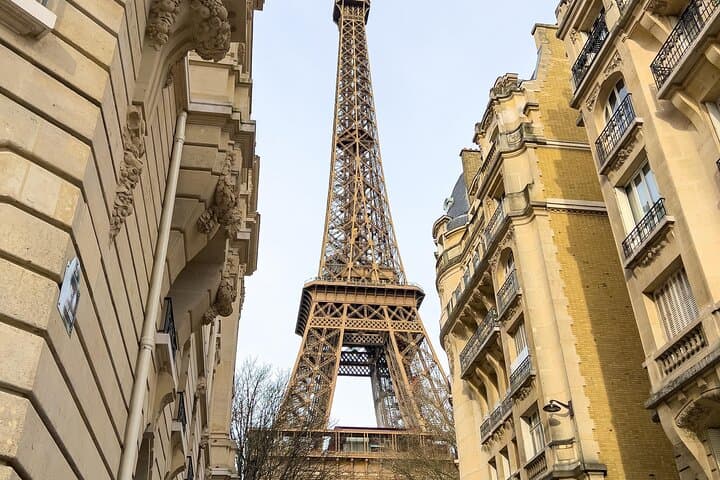
You step from the plaza sunlight into the iron lattice and begin climbing—the tower’s rhythm is a measured set of steps, the city spreading outward like a living map beneath your feet.
You step from the plaza sunlight into the iron lattice and begin climbing—the tower’s rhythm is a measured set of steps, the city spreading outward like a living map beneath your feet.
Originally built for the 1889 Exposition Universelle, the Eiffel Tower was an engineering declaration as much as a lookout. Gustave Eiffel’s structure transformed Paris’s skyline and now offers layered perspectives: the intimate geometry of the Champ de Mars at your feet, Haussmann avenues fanning west, and the Seine carving the city in silver.
Geology doesn’t shape Paris the way it shapes mountain trails, but the view reads the city’s human geology—bridges, domes, and rooftops stacked by centuries of design. Cultural landmarks—Invalides, Notre-Dame’s silhouette on clear days, and Sacré-Cœur on the northern ridge—become reference points for modern Parisian life.
Practical guidance: expect a guided climb to the 2nd floor by stairs followed by an elevator to the Summit; the full visit is typically about an hour. The stairs are steady but require moderate fitness and stair-confidence—there are breaks and viewing platforms along the way. Book a timed ticket to avoid long queues, carry a compact water bottle, and leave large luggage behind; security checks are standard. Early morning or late-afternoon slots cut crowding and offer softer light for photos. Weather can reduce visibility at the Summit, so plan a backup photo opportunity in nearby Trocadéro or along the Seine.
This is an urban ascent where pace, planning, and Respect for site rules guarantee the best views and a smoother visit.