THE ADVENTURE COLLECTIVE® · Independent discovery and booking for outdoor travel

Ascend the Eiffel Tower with an English-speaking host and summit access for sweeping views over Paris. This two-hour, skip-the-line experience blends engineering history with practical tips for getting the best photos and avoiding the heaviest waits.
Ascend the Eiffel Tower with an English-speaking host and summit access for sweeping views over Paris. This two-hour, skip-the-line experience blends engineering history with practical tips for getting the best photos and avoiding the heaviest waits.
You meet on the far bank of the Seine and the iron tower looms across the water — a lattice of riveted girders that frames Paris like a living map. As you walk with an English-speaking host, the city unfolds: bridges hunching over the river, Haussmann roofs, and the distant white tip of Sacré‑Cœur. The guide threads history into the approach, and the structure grows from curiosity to conquered view as you ascend.
Verified experiences and guided adventures in the surrounding area.
Operated by QUALIUM · Paris, Île-de-France
You meet on the far bank of the Seine and the iron tower looms across the water — a lattice of riveted girders that frames Paris like a living map. As you walk with an English-speaking host, the city unfolds: bridges hunching over the river, Haussmann roofs, and the distant white tip of Sacré‑Cœur. The guide threads history into the approach, and the structure grows from curiosity to conquered view as you ascend.
Built for the 1889 Exposition by Gustave Eiffel’s firm, the tower is as much engineering statement as skyline marker. Its iron skin flexes with temperature and wind, giving the summit a subtly different mood each season. Culturally, the site is a crossroads — street vendors, passeggiata crowds, and photographers jostle beneath the lamps, while the Champ de Mars opens green fields to picnicters.
Expect a structured two‑hour visit: guided commentary on the way up, access to the second floor, then the summit for panoramic shots. Security checks and lift lines are part of the rhythm; although the tour is skip‑the‑line for entry, summit queues and mandatory controls can still add time. Practical notes: comfortable shoes, a light jacket for the gusty summit, and a charged camera will serve you well. Check weather and bring ID for entry. For photographers, aim for early morning or an hour before sunset to catch the city in favorable light and avoid the densest crowds. The experience is urban, elevated, and unmistakably Parisian — equal parts technical history and open‑air survey of the city below.
easy.
2 hours.
Suitable for general fitness; involves short walks and standing during commentary
No — mobile or paper tickets are accepted; have the confirmation and ID ready at the meeting point.
Yes, summit access is by lift; visitors may still experience queues for security and lifts depending on crowd levels.
Meet at 7 rue de la Manutention, in front of the stairs on the opposite bank of the Seine as instructed by the provider.
The tour notes it is not recommended for travelers with spinal problems or pregnant guests due to lifts and confined spaces.
Constructed for the 1889 Exposition Universelle, the Eiffel Tower demonstrated advances in iron engineering and was initially controversial among Parisians.
Visitor management and strict security reduce wear on the structure; follow designated paths and avoid littering to protect the site.
QUALIUM operates guided outdoor trips and adventures with an emphasis on safety, stewardship, and memorable experiences.
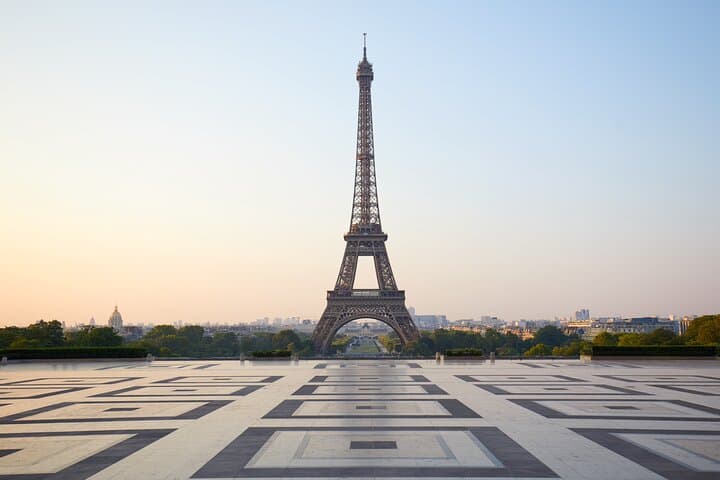
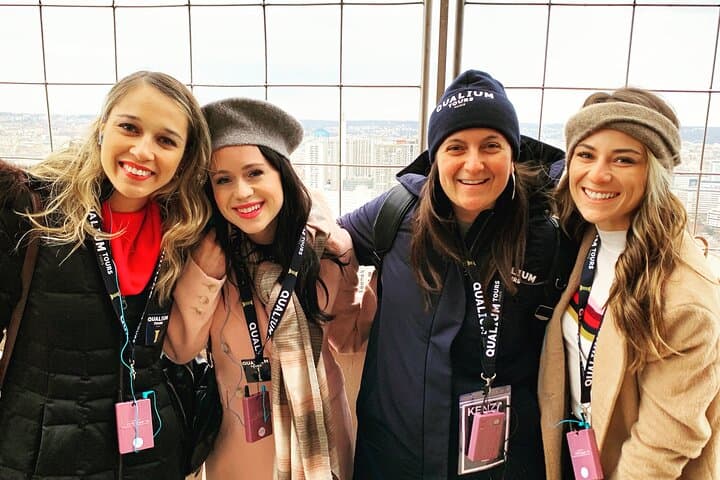
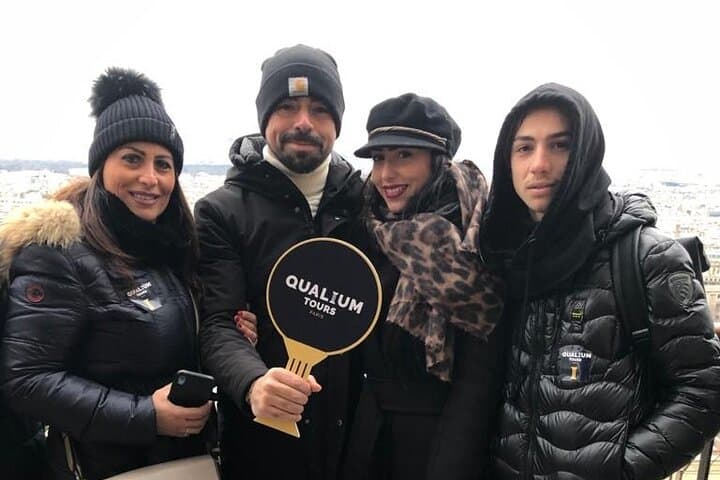
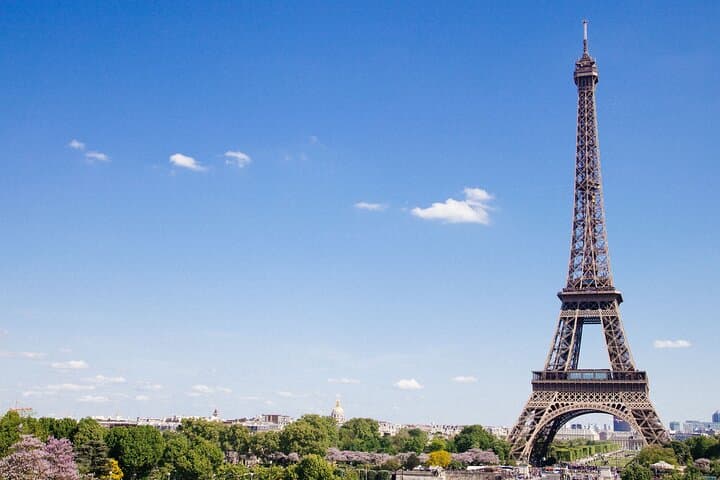
You meet on the far bank of the Seine and the iron tower looms across the water — a lattice of riveted girders that frames Paris like a living map. As you walk with an English-speaking host, the city unfolds: bridges hunching over the river, Haussmann roofs, and the distant white tip of Sacré‑Cœur. The guide threads history into the approach, and the structure grows from curiosity to conquered view as you ascend.
You meet on the far bank of the Seine and the iron tower looms across the water — a lattice of riveted girders that frames Paris like a living map. As you walk with an English-speaking host, the city unfolds: bridges hunching over the river, Haussmann roofs, and the distant white tip of Sacré‑Cœur. The guide threads history into the approach, and the structure grows from curiosity to conquered view as you ascend.
Built for the 1889 Exposition by Gustave Eiffel’s firm, the tower is as much engineering statement as skyline marker. Its iron skin flexes with temperature and wind, giving the summit a subtly different mood each season. Culturally, the site is a crossroads — street vendors, passeggiata crowds, and photographers jostle beneath the lamps, while the Champ de Mars opens green fields to picnicters.
Expect a structured two‑hour visit: guided commentary on the way up, access to the second floor, then the summit for panoramic shots. Security checks and lift lines are part of the rhythm; although the tour is skip‑the‑line for entry, summit queues and mandatory controls can still add time. Practical notes: comfortable shoes, a light jacket for the gusty summit, and a charged camera will serve you well. Check weather and bring ID for entry. For photographers, aim for early morning or an hour before sunset to catch the city in favorable light and avoid the densest crowds. The experience is urban, elevated, and unmistakably Parisian — equal parts technical history and open‑air survey of the city below.