THE ADVENTURE COLLECTIVE® · Independent discovery and booking for outdoor travel

Take the lift from the second floor to the summit of the Eiffel Tower and watch Paris unfold beneath you. This access includes host assistance to the second floor; from there the summit visit continues independently.
Take the lift from the second floor to the summit of the Eiffel Tower and watch Paris unfold beneath you. This access includes host assistance to the second floor; from there the summit visit continues independently.
You step out from the meeting point on Avenue de la Bourdonnais and the iron giant fills the sky: latticed girders cutting angles against a Parisian blue. Your host guides you through the security line, and as the lift rises you feel the city peel away—roofs, avenues, the Seine folding under bridges—until the second floor opens into that famous panorama.
Verified experiences and guided adventures in the surrounding area.
Operated by Global Tours and Tickets · Paris, Ile-de-France
You step out from the meeting point on Avenue de la Bourdonnais and the iron giant fills the sky: latticed girders cutting angles against a Parisian blue. Your host guides you through the security line, and as the lift rises you feel the city peel away—roofs, avenues, the Seine folding under bridges—until the second floor opens into that famous panorama.
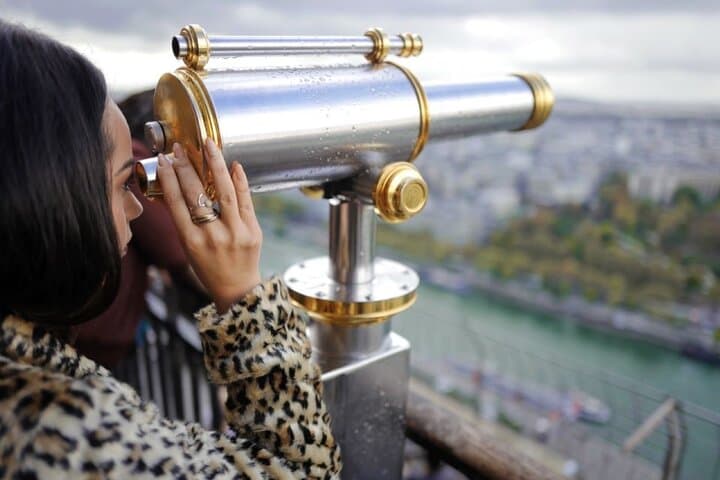
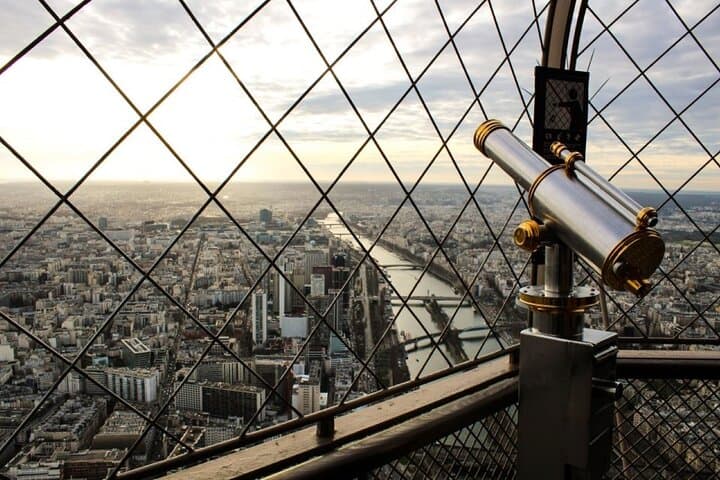
Built for the 1889 Exposition Universelle by Gustave Eiffel, the tower is both an engineering milestone and an urban landmark. Its wrought-iron ribs behave like a living scaffolding, expanding in sun and humming with wind. From the second floor the city’s Haussmann boulevards and the river’s sweep become legible; at the summit the view tightens into a 360° map of Parisian life.
Culturally, the tower is part monument and part meeting place: cafés, observatories, and display panels trace its history and engineering. Expect security checkpoints, elevator queues that vary by season, and briefings from your host—this product includes assistance up to the second floor; from there you continue independently to the summit.
Practical guidance: arrive 10–15 minutes early at 45 Av. de la Bourdonnais (outside Le Champ de Mars Café), bring a mobile or paper ticket, and pack light—bags may be inspected. If the summit is closed for maintenance, refunds are limited; children under four still require a ticket, and mobility access stops at level two. Plan 1–3 hours total for the visit, and reserve mornings or late afternoons to minimize waits and catch softer light across the rooftops.
easy.
2–3 hours.
Suitable for most fitness levels; requires ability to stand and walk short distances and use elevators.
Yes—children under four still require an entry ticket and must be included at booking.
No—the summit occasionally closes for maintenance or safety; refunds are limited and handled per operator policy.
People with reduced mobility can access the tower up to the second floor; summit access is generally not available for wheelchairs.
Plan 1–3 hours total, accounting for travel to the meeting point, security checks, elevator waits, and time spent on observation levels.
Constructed in 1887–1889 as the centerpiece for the 1889 Exposition Universelle, the Eiffel Tower demonstrated advances in iron engineering and became a symbol of modern Paris.
Visitor management and periodic maintenance preserve the iron structure; follow marked paths, heed staff instructions, and minimize litter to reduce wear on the site.
Global Tours and Tickets operates guided outdoor trips and adventures with an emphasis on safety, stewardship, and memorable experiences.
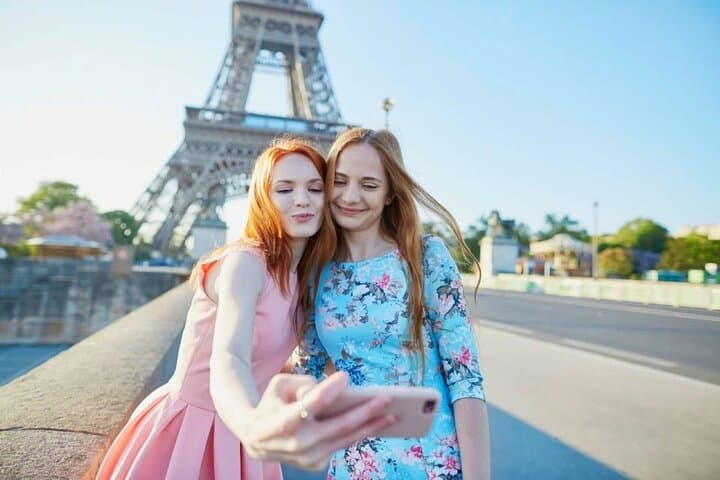
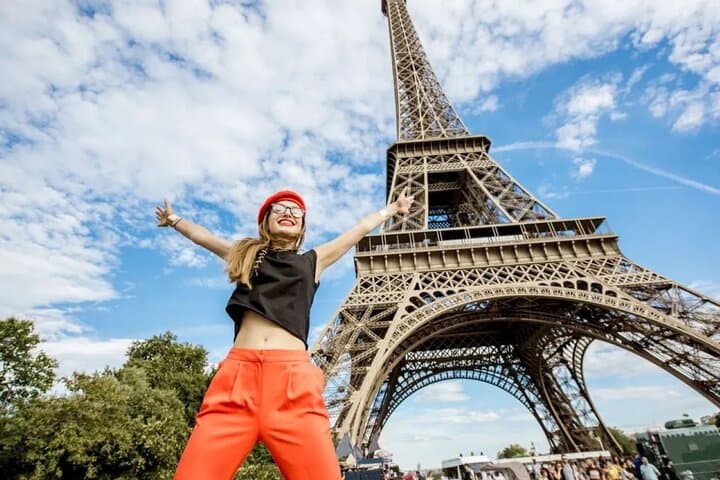
You step out from the meeting point on Avenue de la Bourdonnais and the iron giant fills the sky: latticed girders cutting angles against a Parisian blue. Your host guides you through the security line, and as the lift rises you feel the city peel away—roofs, avenues, the Seine folding under bridges—until the second floor opens into that famous panorama.
You step out from the meeting point on Avenue de la Bourdonnais and the iron giant fills the sky: latticed girders cutting angles against a Parisian blue. Your host guides you through the security line, and as the lift rises you feel the city peel away—roofs, avenues, the Seine folding under bridges—until the second floor opens into that famous panorama.
Built for the 1889 Exposition Universelle by Gustave Eiffel, the tower is both an engineering milestone and an urban landmark. Its wrought-iron ribs behave like a living scaffolding, expanding in sun and humming with wind. From the second floor the city’s Haussmann boulevards and the river’s sweep become legible; at the summit the view tightens into a 360° map of Parisian life.
Culturally, the tower is part monument and part meeting place: cafés, observatories, and display panels trace its history and engineering. Expect security checkpoints, elevator queues that vary by season, and briefings from your host—this product includes assistance up to the second floor; from there you continue independently to the summit.
Practical guidance: arrive 10–15 minutes early at 45 Av. de la Bourdonnais (outside Le Champ de Mars Café), bring a mobile or paper ticket, and pack light—bags may be inspected. If the summit is closed for maintenance, refunds are limited; children under four still require a ticket, and mobility access stops at level two. Plan 1–3 hours total for the visit, and reserve mornings or late afternoons to minimize waits and catch softer light across the rooftops.