THE ADVENTURE COLLECTIVE® · Independent discovery and booking for outdoor travel

Skip the general entry and let an expert guide lift the curtain on the Eiffel Tower’s history with reserved elevator access to the second floor. Expect curated stories, clear views of Paris landmarks, and smarter photo stops.
Skip the general entry and let an expert guide lift the curtain on the Eiffel Tower’s history with reserved elevator access to the second floor. Expect curated stories, clear views of Paris landmarks, and smarter photo stops.
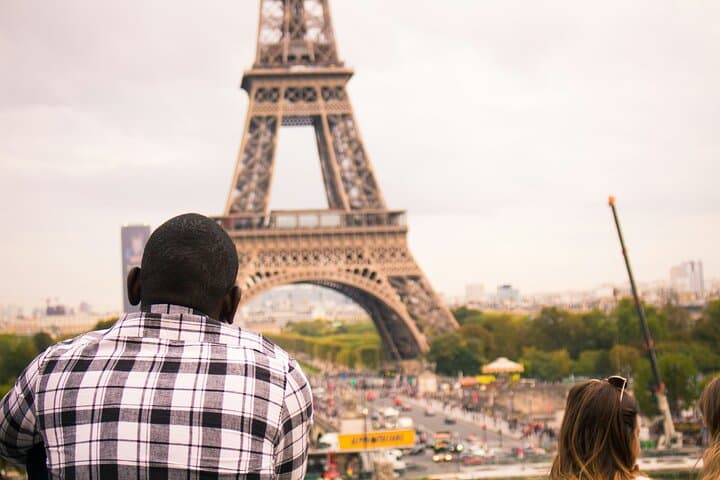
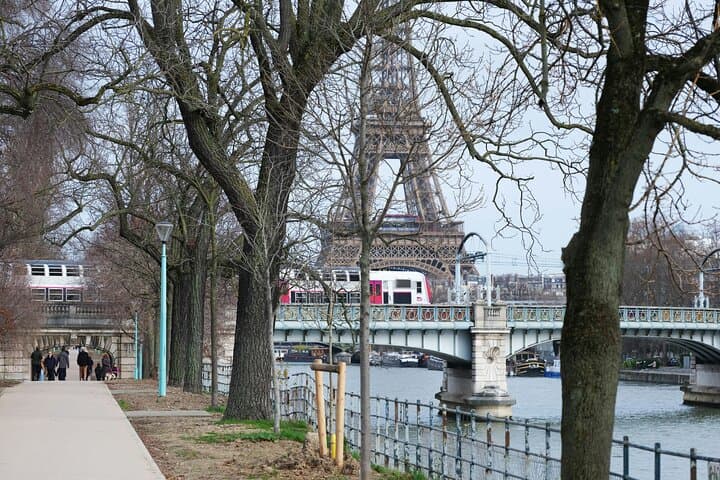
You meet beneath the iron lattice at a corner of the Champ de Mars as Paris hums around you—traffic, vendors, the Seine sliding by like a ribbon of light. The guide's voice cuts through the ambient city noise, laying out a clear route up to the tower’s second level where the city spreads in ordered blocks and river curves.
Verified experiences and guided adventures in the surrounding area.
Operated by Tourrr.com · Paris, Île-de-France
You meet beneath the iron lattice at a corner of the Champ de Mars as Paris hums around you—traffic, vendors, the Seine sliding by like a ribbon of light. The guide's voice cuts through the ambient city noise, laying out a clear route up to the tower’s second level where the city spreads in ordered blocks and river curves.
Built for the 1889 Exposition Universelle, the Eiffel Tower began as an experimental iron structure that split opinion and later became one of the most photographed landmarks on earth. Geologically the site sits on alluvial plains beside the Seine; architecturally the tower’s riveted ironwork showcases 19th‑century industrial engineering rather than classical ornament. Along the ascent the guide highlights construction anecdotes, wartime stories, and the techniques Gustave Eiffel used to resist wind and weight.
Expect structured commentary, a reserved elevator ride to the second floor, and panoramic orientation to Parisian landmarks: Les Invalides’ golden dome, the Louvre’s roofline, and the distant Arc de Triomphe. The experience balances history and sightlines—your guide points out details that escape a solo visit and leaves time for photos and questions.
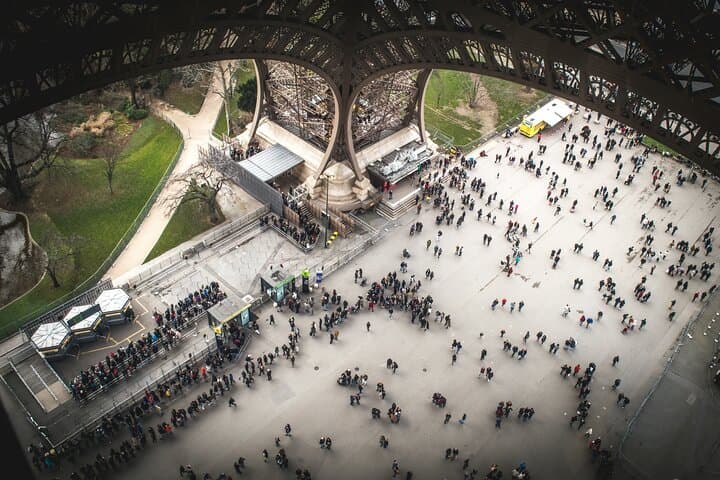
Practical notes: arrive 20 minutes early, carry ID for security checks, and be prepared for variable wait times at entrances. If you move slowly or have back problems, notify the operator in advance; the visit involves standing and some circulation through security. Timing—early morning or late afternoon light—changes the mood of the views and the queues.
moderate.
1.5 hours (90 minutes).
Able to stand for sustained periods, walk short distances, and manage occasional stairs or crowded circulation.
The guided experience lasts about 90 minutes and includes reserved elevator access up to the Eiffel Tower’s second floor.
The tour uses elevators to reach the second floor, but guests should notify the operator of mobility limitations; some circulation areas have stairs and standing is required.
Reserved access reduces entry time but does not eliminate security checks or possible elevator waits; queue lengths vary by season and time of day.
Large bags may be subject to additional inspection and tripods are generally discouraged inside for safety—check the operator’s rules ahead of time.
Constructed for the 1889 World’s Fair, the tower was meant as a temporary exhibition structure; its scientific uses and later cultural adoption ensured its permanence.
Visitor numbers are managed through timed entry and security zones—stick to marked paths, avoid littering, and respect restricted areas to preserve the fabric of the site.
Tourrr.com operates guided outdoor trips and adventures with an emphasis on safety, stewardship, and memorable experiences.
You meet beneath the iron lattice at a corner of the Champ de Mars as Paris hums around you—traffic, vendors, the Seine sliding by like a ribbon of light. The guide's voice cuts through the ambient city noise, laying out a clear route up to the tower’s second level where the city spreads in ordered blocks and river curves.
You meet beneath the iron lattice at a corner of the Champ de Mars as Paris hums around you—traffic, vendors, the Seine sliding by like a ribbon of light. The guide's voice cuts through the ambient city noise, laying out a clear route up to the tower’s second level where the city spreads in ordered blocks and river curves.
Built for the 1889 Exposition Universelle, the Eiffel Tower began as an experimental iron structure that split opinion and later became one of the most photographed landmarks on earth. Geologically the site sits on alluvial plains beside the Seine; architecturally the tower’s riveted ironwork showcases 19th‑century industrial engineering rather than classical ornament. Along the ascent the guide highlights construction anecdotes, wartime stories, and the techniques Gustave Eiffel used to resist wind and weight.
Expect structured commentary, a reserved elevator ride to the second floor, and panoramic orientation to Parisian landmarks: Les Invalides’ golden dome, the Louvre’s roofline, and the distant Arc de Triomphe. The experience balances history and sightlines—your guide points out details that escape a solo visit and leaves time for photos and questions.
Practical notes: arrive 20 minutes early, carry ID for security checks, and be prepared for variable wait times at entrances. If you move slowly or have back problems, notify the operator in advance; the visit involves standing and some circulation through security. Timing—early morning or late afternoon light—changes the mood of the views and the queues.