THE ADVENTURE COLLECTIVE® · Independent discovery and booking for outdoor travel

Swap a voucher for an elevator ticket at Le Champ de Mars and ride up to the Eiffel Tower’s second floor — with optional summit access. This practical guide explains what to expect, how to prepare, and how to navigate lines, accessibility rules and weather considerations.
Swap a voucher for an elevator ticket at Le Champ de Mars and ride up to the Eiffel Tower’s second floor — with optional summit access. This practical guide explains what to expect, how to prepare, and how to navigate lines, accessibility rules and weather considerations.
Standing on the Champ de Mars at 45 Avenue de la Bourdonnais, the tower rises like a civic compass, its latticework slicing the Paris sky. Guests exchange vouchers in front of Le Champ de Mars Café, step through security and ride the elevator to the second floor, where the city unfolds in ordered blocks, the Seine threading through bridges and rooftops.
Verified experiences and guided adventures in the surrounding area.
Operated by Global Tours and Tickets · Paris, Île-de-France
Standing on the Champ de Mars at 45 Avenue de la Bourdonnais, the tower rises like a civic compass, its latticework slicing the Paris sky. Guests exchange vouchers in front of Le Champ de Mars Café, step through security and ride the elevator to the second floor, where the city unfolds in ordered blocks, the Seine threading through bridges and rooftops.
Built for the 1889 Exposition Universelle by Gustave Eiffel, the iron structure sits on engineered foundations placed into the Parisian alluvial soils beside the Seine. The tower’s form reflects 19th-century industrial engineering; its open framework reduces wind load and frames sweeping sightlines toward Montmartre, the Louvre and the Île de la Cité. Culturally the tower has shifted from scientific exhibit to global icon—expect multilingual crowds and vendors along the approaches.
Practical guidance: arrive 15 minutes early for voucher exchange; security checks and lift queues commonly add 30–90 minutes. The host accompanies you to the second floor; from there you continue independently to the summit if included. Summit access can close for maintenance or elevator issues, so plan flexibility into your day and keep tickets and ID handy. Dress for wind and variable temperatures—the metal structure conducts cold and sunshine differently than street level. Bring a charged phone for photos, a small water bottle, and patience: peak hours (late morning to sunset) are busiest. For visitors with reduced mobility note: elevators and access are limited to the second floor; summit access rules are stricter. With timed planning and realistic expectations, this brief climb rewards you with some of Paris’s clearest urban panoramas.
easy.
1.5 hours.
Light walking and standing; guests should be comfortable with stairs or brief changes in elevation, though elevator access reduces exertion.
This product provides elevator entry to the second floor and you exchange vouchers at the meeting point; it does not guarantee bypassing all security queues—expect some waiting time.
No. Summit access can be restricted for maintenance, weather or operational reasons; refunds for summit closures are limited and handled per official policies.
Wheelchair access is available up to the second floor via elevators, but summit access is generally not permitted for visitors with reduced mobility.
Children under 4 still require an entry ticket; ensure you add them when booking and bring ID if requested at security.
Constructed for the 1889 World’s Fair, the tower showcased new iron engineering and later became a permanent Paris landmark after proving useful for communications and observation.
Ticketing and timed access help limit daily wear on the structure; visitors are encouraged to follow signage, avoid littering and use official pathways to reduce impact.
Global Tours and Tickets operates guided outdoor trips and adventures with an emphasis on safety, stewardship, and memorable experiences.
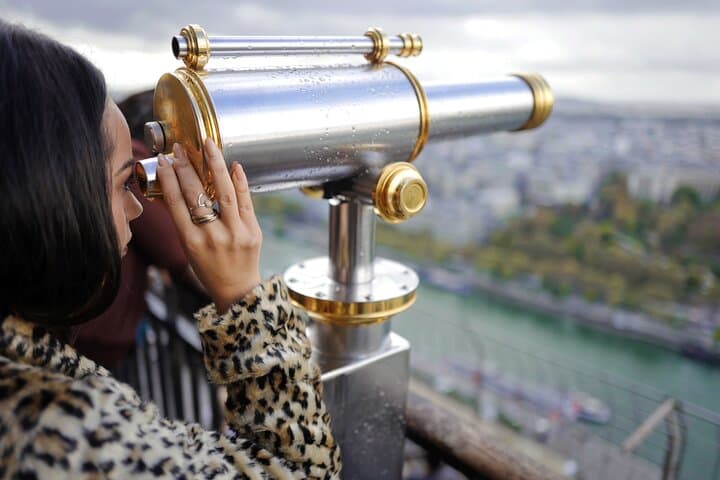
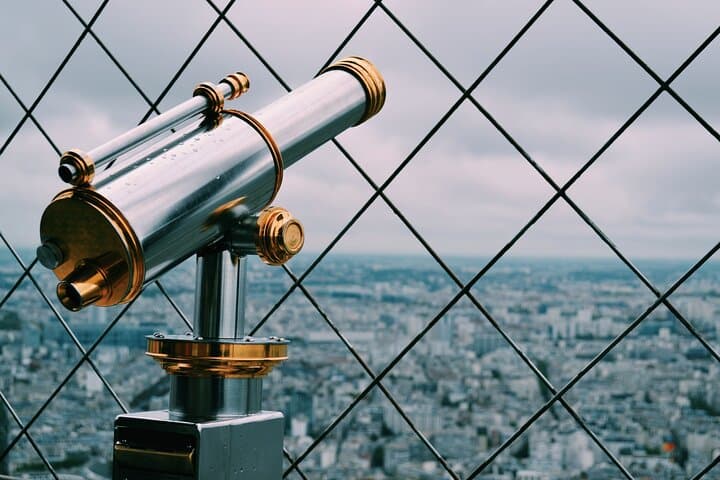
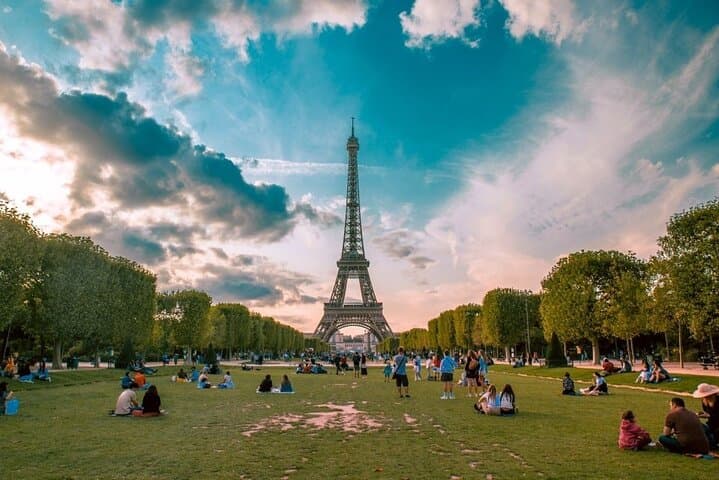
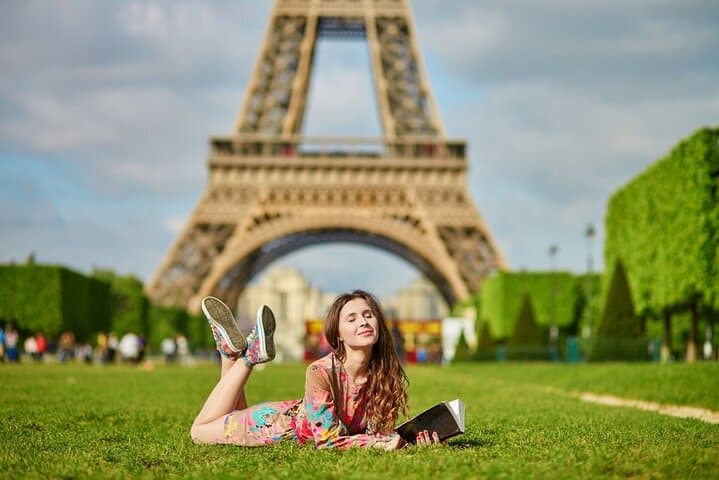
Standing on the Champ de Mars at 45 Avenue de la Bourdonnais, the tower rises like a civic compass, its latticework slicing the Paris sky. Guests exchange vouchers in front of Le Champ de Mars Café, step through security and ride the elevator to the second floor, where the city unfolds in ordered blocks, the Seine threading through bridges and rooftops.
Standing on the Champ de Mars at 45 Avenue de la Bourdonnais, the tower rises like a civic compass, its latticework slicing the Paris sky. Guests exchange vouchers in front of Le Champ de Mars Café, step through security and ride the elevator to the second floor, where the city unfolds in ordered blocks, the Seine threading through bridges and rooftops.
Built for the 1889 Exposition Universelle by Gustave Eiffel, the iron structure sits on engineered foundations placed into the Parisian alluvial soils beside the Seine. The tower’s form reflects 19th-century industrial engineering; its open framework reduces wind load and frames sweeping sightlines toward Montmartre, the Louvre and the Île de la Cité. Culturally the tower has shifted from scientific exhibit to global icon—expect multilingual crowds and vendors along the approaches.
Practical guidance: arrive 15 minutes early for voucher exchange; security checks and lift queues commonly add 30–90 minutes. The host accompanies you to the second floor; from there you continue independently to the summit if included. Summit access can close for maintenance or elevator issues, so plan flexibility into your day and keep tickets and ID handy. Dress for wind and variable temperatures—the metal structure conducts cold and sunshine differently than street level. Bring a charged phone for photos, a small water bottle, and patience: peak hours (late morning to sunset) are busiest. For visitors with reduced mobility note: elevators and access are limited to the second floor; summit access rules are stricter. With timed planning and realistic expectations, this brief climb rewards you with some of Paris’s clearest urban panoramas.