THE ADVENTURE COLLECTIVE® · Independent discovery and booking for outdoor travel

Board a small-group elevator to the Eiffel Tower’s second floor with a knowledgeable guide and optional summit upgrade. Learn the structure’s history, spot Paris landmarks, and get local tips while avoiding the largest crowds.
Board a small-group elevator to the Eiffel Tower’s second floor with a knowledgeable guide and optional summit upgrade. Learn the structure’s history, spot Paris landmarks, and get local tips while avoiding the largest crowds.
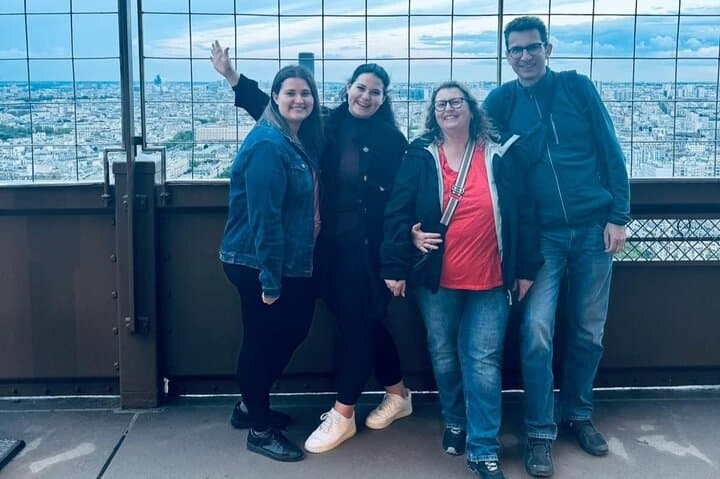
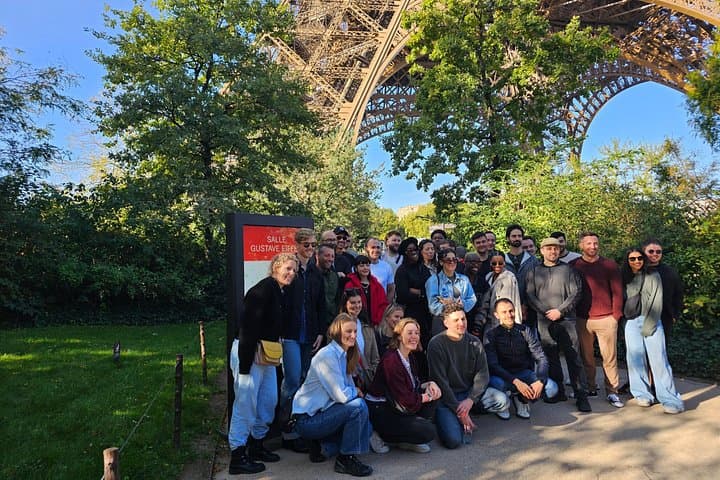
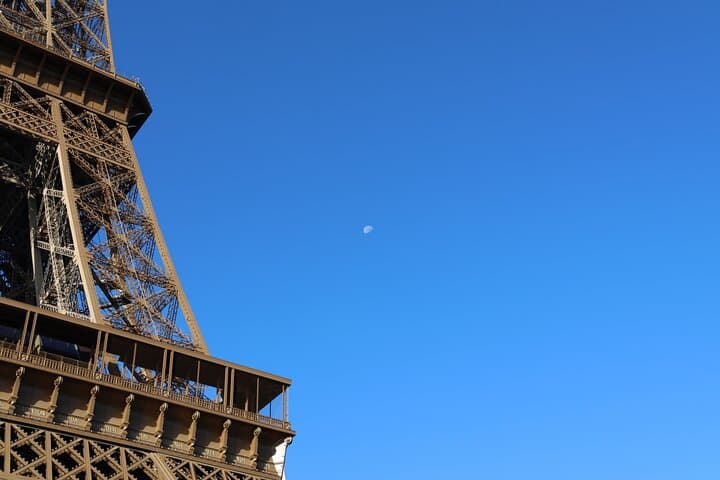
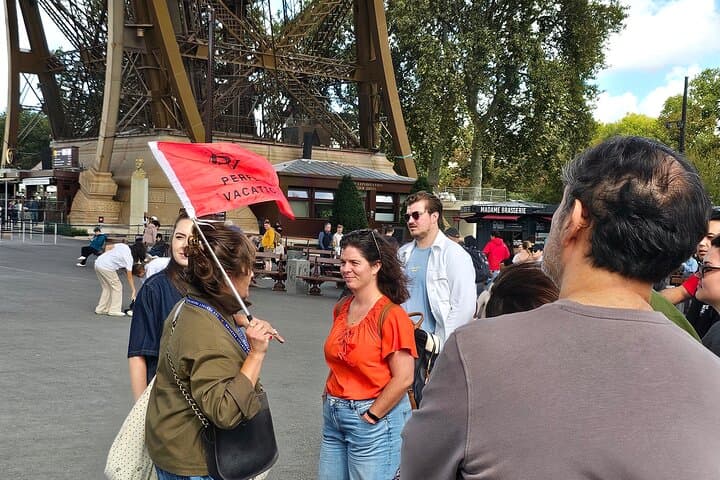
You meet under the shadow of iron latticework, the Seine at your left and the Champ de Mars opening like a park-stage. The guide in a red cap gathers a small group — ten people at most — and you step toward the glass elevator that climbs through a web of rivets and beams. From the second floor, Paris lays out in tidy blocks: the dome of Les Invalides, Sacré-Cœur on its hill, the Louvre’s stone ribbon; beyond the rooftops, the river winds like a silver thread.
Verified experiences and guided adventures in the surrounding area.
Operated by THE PERFECT VACATION · Paris, Île-de-France
You meet under the shadow of iron latticework, the Seine at your left and the Champ de Mars opening like a park-stage. The guide in a red cap gathers a small group — ten people at most — and you step toward the glass elevator that climbs through a web of rivets and beams. From the second floor, Paris lays out in tidy blocks: the dome of Les Invalides, Sacré-Cœur on its hill, the Louvre’s stone ribbon; beyond the rooftops, the river winds like a silver thread.
Constructed for the 1889 Exposition by Gustave Eiffel’s team, the tower is more engineering than ornament, its bones revealing late-19th-century industrial ambition. The immediate geology is man-made: reclaimed riverbanks, Haussmann avenues and the lawns of the Champ de Mars. Culturally, the tower is Paris’s stage — daytime sightseeing venue, evening light show, and the place locals point visitors for orientation.
Practical guidance is clear: this is a guided, two-hour experience with elevator access to the second floor and an optional summit upgrade. Expect security checks and variable queue times (30–120 minutes in peak season). Bring ID, a charged phone for photos, and wear comfortable shoes; the second floor has exhibits and a glass floor you can walk across, while a summit visit adds panoramic exposure and, if chosen, champagne service.
Best times: early morning to avoid crowds, late afternoon for golden light, and after dark if you want the hourly sparkle. Follow the guide’s local tips for nearby cafés, photo angles, and quieter approaches along the Seine — the city continues to reveal itself from every level of the tower.
easy.
2 hours.
Suitable for all fitness levels; involves short walks, standing, and optional stairs if you explore floors on foot.
Yes — the guide can advise and facilitate a summit upgrade if available; summit access may require additional entry procedures and wait time.
The tour notes stroller access and elevators to the second floor; accessibility to some summit areas can be limited — check with the operator for specifics.
This reserved access tour reduces wait by using guided entry, but you may still encounter security lines and lift queues; wait times vary by season.
The tower sparkles for five minutes at the start of each hour after dusk; exact times change with sunset, so ask your guide for that night’s schedule.
Built for the 1889 Exposition Universelle by Gustave Eiffel’s firm, the tower was initially controversial but became a symbol of modern engineering and Parisian identity.
High visitor numbers strain the site; follow signage, respect barriers, and use official access paths. Opt for small-group tours to reduce congestion and learn about preservation efforts.
THE PERFECT VACATION operates guided outdoor trips and adventures with an emphasis on safety, stewardship, and memorable experiences.
You meet under the shadow of iron latticework, the Seine at your left and the Champ de Mars opening like a park-stage. The guide in a red cap gathers a small group — ten people at most — and you step toward the glass elevator that climbs through a web of rivets and beams. From the second floor, Paris lays out in tidy blocks: the dome of Les Invalides, Sacré-Cœur on its hill, the Louvre’s stone ribbon; beyond the rooftops, the river winds like a silver thread.
You meet under the shadow of iron latticework, the Seine at your left and the Champ de Mars opening like a park-stage. The guide in a red cap gathers a small group — ten people at most — and you step toward the glass elevator that climbs through a web of rivets and beams. From the second floor, Paris lays out in tidy blocks: the dome of Les Invalides, Sacré-Cœur on its hill, the Louvre’s stone ribbon; beyond the rooftops, the river winds like a silver thread.
Constructed for the 1889 Exposition by Gustave Eiffel’s team, the tower is more engineering than ornament, its bones revealing late-19th-century industrial ambition. The immediate geology is man-made: reclaimed riverbanks, Haussmann avenues and the lawns of the Champ de Mars. Culturally, the tower is Paris’s stage — daytime sightseeing venue, evening light show, and the place locals point visitors for orientation.
Practical guidance is clear: this is a guided, two-hour experience with elevator access to the second floor and an optional summit upgrade. Expect security checks and variable queue times (30–120 minutes in peak season). Bring ID, a charged phone for photos, and wear comfortable shoes; the second floor has exhibits and a glass floor you can walk across, while a summit visit adds panoramic exposure and, if chosen, champagne service.
Best times: early morning to avoid crowds, late afternoon for golden light, and after dark if you want the hourly sparkle. Follow the guide’s local tips for nearby cafés, photo angles, and quieter approaches along the Seine — the city continues to reveal itself from every level of the tower.