THE ADVENTURE COLLECTIVE® · Independent discovery and booking for outdoor travel

Ascend the Iron Lady with reserved, private access to the summit. This guided tour pairs skip-the-line convenience with on-site history and panoramic views — ideal for visitors wanting context and calm at Paris’s most photographed landmark.
Ascend the Iron Lady with reserved, private access to the summit. This guided tour pairs skip-the-line convenience with on-site history and panoramic views — ideal for visitors wanting context and calm at Paris’s most photographed landmark.
You step onto the Champ de Mars and the iron lattice of the Eiffel Tower rises, its rivets and angles cutting the Paris sky into geometries you can almost trace with your fingers.
Verified experiences and guided adventures in the surrounding area.
Operated by Tourrr.com · Paris, Île-de-France
You step onto the Champ de Mars and the iron lattice of the Eiffel Tower rises, its rivets and angles cutting the Paris sky into geometries you can almost trace with your fingers.
This private tour moves deliberately: a local guide meets your group, leads you through reserved access, and shepherds you past official history into human stories — Gustave Eiffel’s engineering gamble, the 1889 Exposition, and the tower’s use as a radio mast in wartime. Geologically the site sits on Parisian alluvium above the Seine, a flat sweep that made the tower’s four masonry piers feasible and allowed its open-frame silhouette to dominate the horizon.
Parisian culture turns the tower into a living landmark — a meeting point, an emblem photographed at every hour. Your guide will point out axial vistas: the Seine carving through the city, Notre‑Dame’s profile, and the wide boulevards that radiate from the center.
Practically, expect mandatory security checks and elevator transfers; the summit is accessed after the second floor. Queues vary by season and time of day despite reserved access, so arrive early at the meeting point and carry ID for ticketing.
Wear comfortable shoes for standing and a light layer — wind and exposure increase with elevation. Bring a camera with a zoom for city detail and a small bag for personal items; large luggage is not permitted.
The private format gives breathing room to ask questions, time to photograph panoramas, and the option to linger on the summit after the guided portion, turning a tourist stop into a measured, memorable visit.
easy.
2 hours.
Suitable for all fitness levels; involves standing and short walks but no strenuous climbing since elevators are used
The guided portion is approximately 2 hours; after the tour ends on the second floor you may remain at the summit or lower levels subject to tower opening hours and visitor flow.
The tour includes reserved access which shortens wait times, but mandatory security checks and occasional elevator queues can still produce short waits, especially during peak season.
The Eiffel Tower provides elevator access but mobility accessibility varies; contact the operator ahead of booking to discuss specific needs and to arrange assistance.
Small bags are permitted; large luggage and certain items are prohibited by tower security. Stroller access is allowed but may be restricted during busy periods and at some elevator access points.
Completed in 1889 for the Exposition Universelle, the Eiffel Tower tested new possibilities in iron construction and later became a strategic radio and observation site.
The tower undergoes regular maintenance and repainting to protect the iron; visitors should follow site rules to reduce wear and avoid littering around the Champ de Mars and Seine.
Tourrr.com operates guided outdoor trips and adventures with an emphasis on safety, stewardship, and memorable experiences.
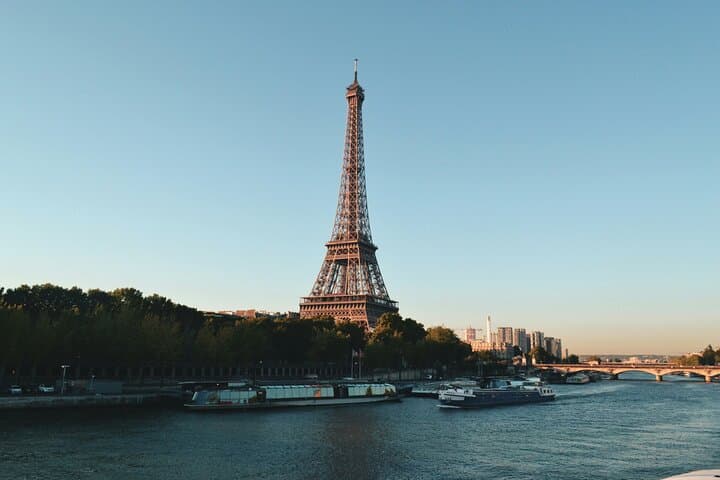
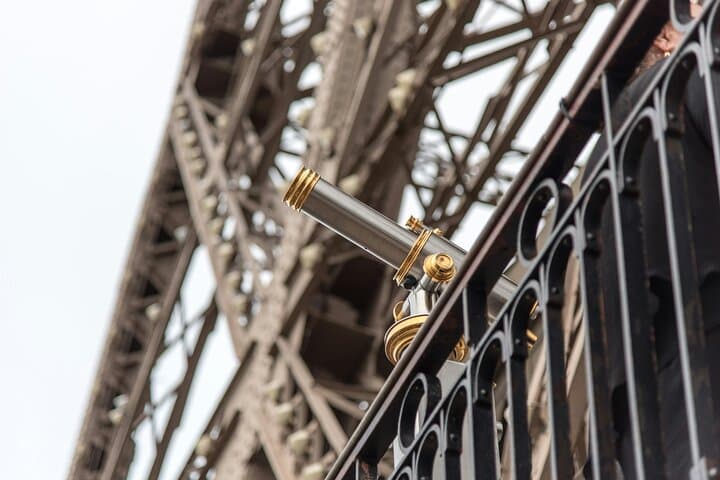
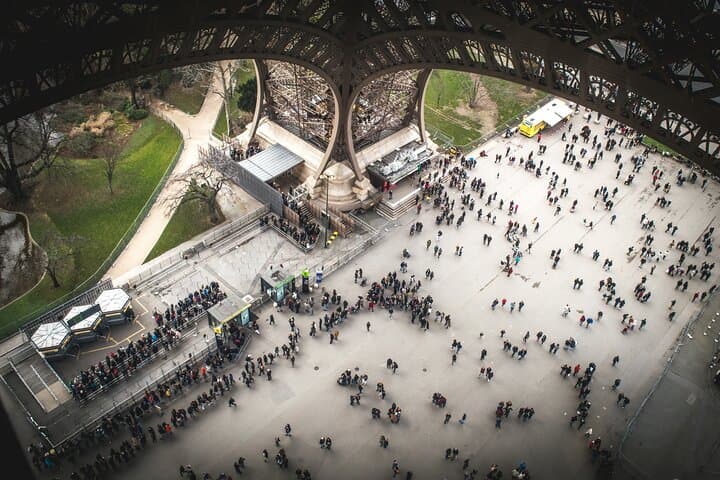
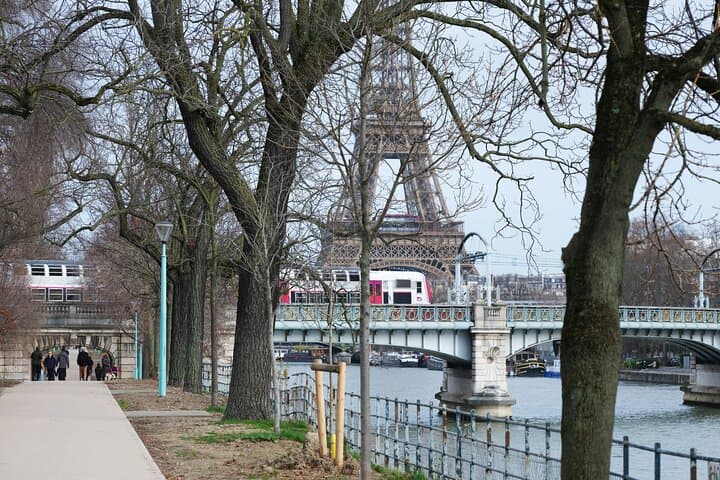
You step onto the Champ de Mars and the iron lattice of the Eiffel Tower rises, its rivets and angles cutting the Paris sky into geometries you can almost trace with your fingers.
You step onto the Champ de Mars and the iron lattice of the Eiffel Tower rises, its rivets and angles cutting the Paris sky into geometries you can almost trace with your fingers.
This private tour moves deliberately: a local guide meets your group, leads you through reserved access, and shepherds you past official history into human stories — Gustave Eiffel’s engineering gamble, the 1889 Exposition, and the tower’s use as a radio mast in wartime. Geologically the site sits on Parisian alluvium above the Seine, a flat sweep that made the tower’s four masonry piers feasible and allowed its open-frame silhouette to dominate the horizon.
Parisian culture turns the tower into a living landmark — a meeting point, an emblem photographed at every hour. Your guide will point out axial vistas: the Seine carving through the city, Notre‑Dame’s profile, and the wide boulevards that radiate from the center.
Practically, expect mandatory security checks and elevator transfers; the summit is accessed after the second floor. Queues vary by season and time of day despite reserved access, so arrive early at the meeting point and carry ID for ticketing.
Wear comfortable shoes for standing and a light layer — wind and exposure increase with elevation. Bring a camera with a zoom for city detail and a small bag for personal items; large luggage is not permitted.
The private format gives breathing room to ask questions, time to photograph panoramas, and the option to linger on the summit after the guided portion, turning a tourist stop into a measured, memorable visit.