THE ADVENTURE COLLECTIVE® · Independent discovery and booking for outdoor travel

Pre‑booked timed entry lets you bypass the longest queues and ride the priority elevators up the Eiffel Tower. Choose second‑floor or summit options, arrive at the meeting office 15 minutes early, and be ready for security screening and sweeping city views.
Pre‑booked timed entry lets you bypass the longest queues and ride the priority elevators up the Eiffel Tower. Choose second‑floor or summit options, arrive at the meeting office 15 minutes early, and be ready for security screening and sweeping city views.
You meet the group on Avenue de la Bourdonnais and the ironwork looms above, vertical ribs of lattice that have watched Paris change for more than a century. The Seine below dares you to look outward; rooftops, the Louvre’s glass pyramid and the white dome of Sacré‑Coeur puncture the horizon from the tower’s platforms.
Verified experiences and guided adventures in the surrounding area.
Operated by Paris TRIP · Paris, Île-de-France
You meet the group on Avenue de la Bourdonnais and the ironwork looms above, vertical ribs of lattice that have watched Paris change for more than a century. The Seine below dares you to look outward; rooftops, the Louvre’s glass pyramid and the white dome of Sacré‑Coeur puncture the horizon from the tower’s platforms.
Completed for the 1889 Exposition Universelle, the Eiffel Tower rose from debates about modern ironwork to become Paris’s most recognisable vantage point. The structure sits on Paris’s flat, sedimentary plain—Lutetian limestone underfoot and the Seine cutting a shallow urban valley—so the tower’s height, not geology, frames the views. Culturally, the tower is a gathering place: evening picnics on the Champ de Mars, photographers lining the riverbanks, and cafés that stage the city beneath its shadow.
This experience pairs a pre‑booked timed entry and guided approach with options that may include second‑floor or summit access depending on your ticket. Expect security screening, strict meeting logistics at 41 Avenue de la Bourdonnais, and a 90‑minute booking window that moves you through priority elevators to panoramic platforms. Practical tips: arrive 15 minutes early, travel light (no oversized bags), and bring a charged camera and comfortable shoes for stairs and observation decks. Peak lines and security can add 30–90 minutes; early morning or late afternoon light offers the best photographs.
Respect the site: follow staff instructions, avoid blocking viewing areas, and plan onward transport—metro and buses run frequently. The tower rewards patience with one of Europe’s clearest urban panoramas.
easy.
1.5 hours.
Accessible for most fitness levels; there are stairs if elevators are busy and some standing involved
No — mobile tickets are accepted; have the voucher ready on your phone and arrive at the designated meeting point 15 minutes early.
Summit access depends on the option you select when booking—verify your ticket type; you cannot buy a summit ticket on the second level if it isn’t included.
Foldable strollers are allowed; accessibility to the second floor is generally possible via elevators, but summit access may be restricted—contact operator for specific needs.
Oversized luggage, glass bottles, knives, non‑folding strollers and promotional materials are banned; security may require disposal of prohibited items.
Built by Gustave Eiffel’s company for the 1889 World’s Fair, the tower was initially intended as a temporary exhibit but became a permanent emblem of Paris.
Ongoing maintenance includes regular repainting and structural inspections to preserve the ironwork; visitors help by following waste rules and staying on marked walkways.
Paris TRIP operates guided outdoor trips and adventures with an emphasis on safety, stewardship, and memorable experiences.
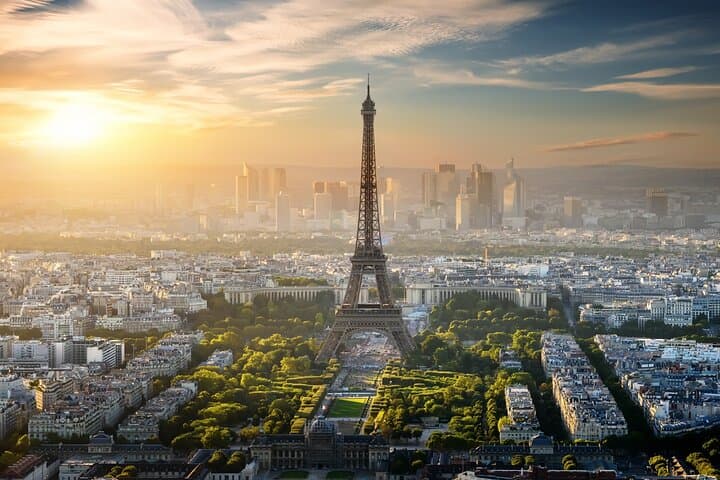
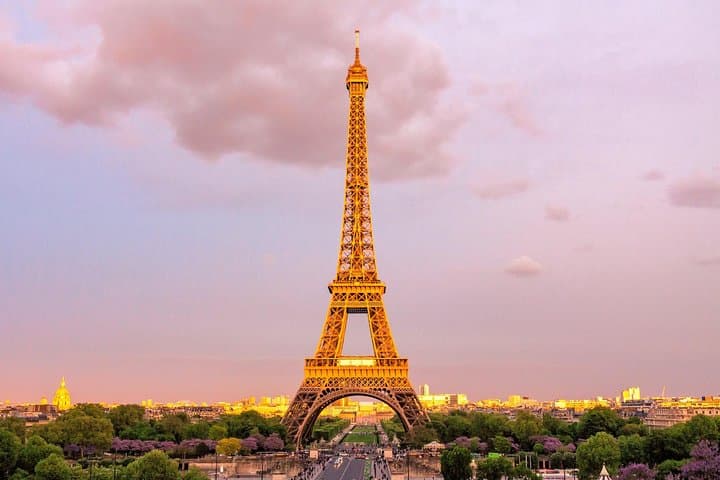
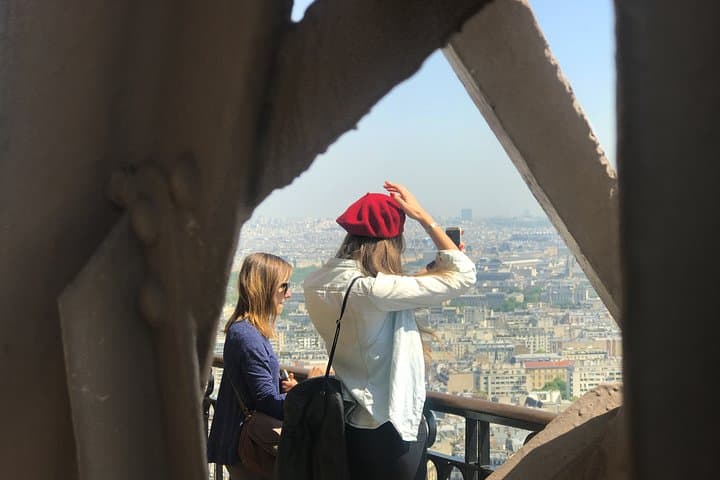
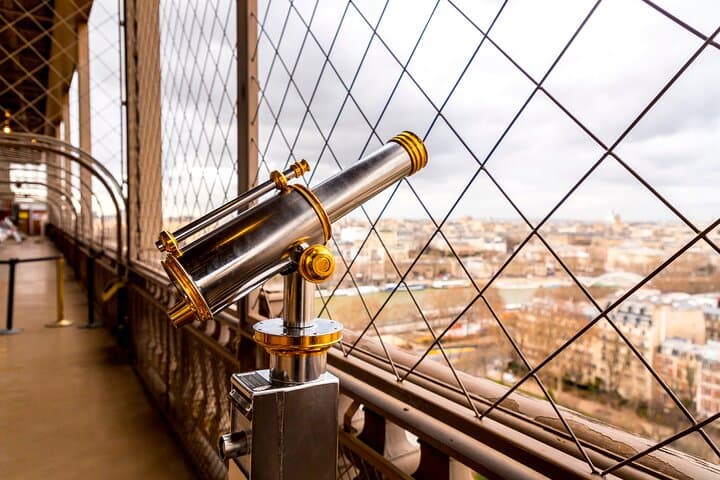
You meet the group on Avenue de la Bourdonnais and the ironwork looms above, vertical ribs of lattice that have watched Paris change for more than a century. The Seine below dares you to look outward; rooftops, the Louvre’s glass pyramid and the white dome of Sacré‑Coeur puncture the horizon from the tower’s platforms.
You meet the group on Avenue de la Bourdonnais and the ironwork looms above, vertical ribs of lattice that have watched Paris change for more than a century. The Seine below dares you to look outward; rooftops, the Louvre’s glass pyramid and the white dome of Sacré‑Coeur puncture the horizon from the tower’s platforms.
Completed for the 1889 Exposition Universelle, the Eiffel Tower rose from debates about modern ironwork to become Paris’s most recognisable vantage point. The structure sits on Paris’s flat, sedimentary plain—Lutetian limestone underfoot and the Seine cutting a shallow urban valley—so the tower’s height, not geology, frames the views. Culturally, the tower is a gathering place: evening picnics on the Champ de Mars, photographers lining the riverbanks, and cafés that stage the city beneath its shadow.
This experience pairs a pre‑booked timed entry and guided approach with options that may include second‑floor or summit access depending on your ticket. Expect security screening, strict meeting logistics at 41 Avenue de la Bourdonnais, and a 90‑minute booking window that moves you through priority elevators to panoramic platforms. Practical tips: arrive 15 minutes early, travel light (no oversized bags), and bring a charged camera and comfortable shoes for stairs and observation decks. Peak lines and security can add 30–90 minutes; early morning or late afternoon light offers the best photographs.
Respect the site: follow staff instructions, avoid blocking viewing areas, and plan onward transport—metro and buses run frequently. The tower rewards patience with one of Europe’s clearest urban panoramas.