THE ADVENTURE COLLECTIVE® · Independent discovery and booking for outdoor travel

Ascend the Eiffel Tower with a live guide to the second floor, then decide whether to upgrade to the summit. Expect history, sweeping Paris views, security checks, and potential queues—plan your timing and footwear accordingly.
Ascend the Eiffel Tower with a live guide to the second floor, then decide whether to upgrade to the summit. Expect history, sweeping Paris views, security checks, and potential queues—plan your timing and footwear accordingly.
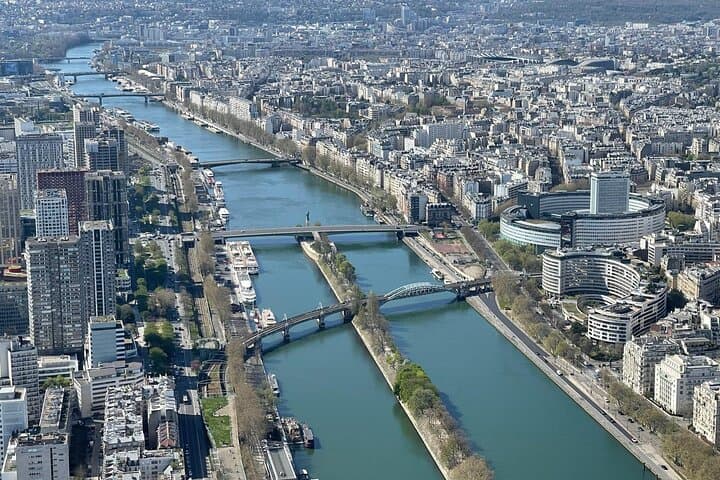
You step out onto Avenue Anatole France, the iron lattice above you cutting a crisp silhouette against the Paris sky. A guide waits with a white flag, voice carrying quick facts as people flow toward the security checkpoint. Inside, the city expands: the Seine dares your eyes to follow its ribbon, rooftops stack like weathered pages, and monuments punctuate the horizon.
Verified experiences and guided adventures in the surrounding area.
Operated by Italy Wonders SRLS · Paris, Île-de-France
You step out onto Avenue Anatole France, the iron lattice above you cutting a crisp silhouette against the Paris sky. A guide waits with a white flag, voice carrying quick facts as people flow toward the security checkpoint. Inside, the city expands: the Seine dares your eyes to follow its ribbon, rooftops stack like weathered pages, and monuments punctuate the horizon.
The Eiffel Tower began as a bold engineering showcase for the 1889 Exposition Universelle. Gustave Eiffel’s ironwork rested on concrete foundations driven into Parisian alluvium, transforming a temporary structure into an enduring emblem of modernity. From the second floor, the layout of Paris reads like a map of history—Louvre, Notre‑Dame, Sacré‑Cœur—each site a chapter in the city’s urban story.
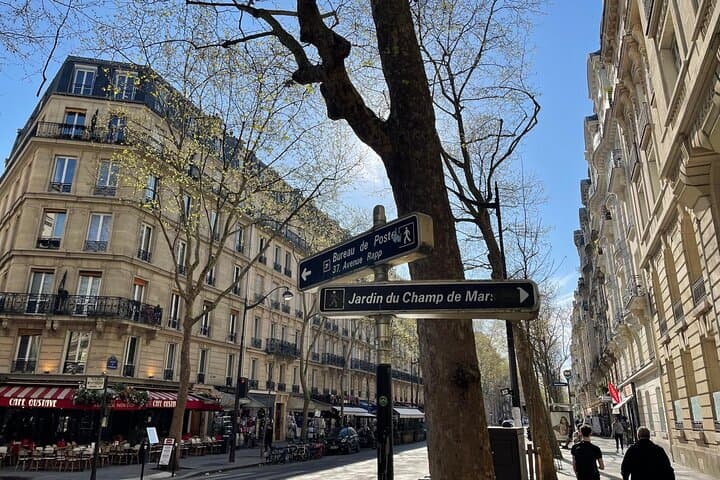
Culturally, the tower is part monument, part public square: locals picnic on the Champ de Mars while vendors and musicians animate the approach. Practically, your guided portion ends on the second floor; summit access is an optional, separate ascent that can involve tight elevator queues or additional stairs.
Expect security checks and variable waits—from thirty minutes to longer during peak season. Wear sturdy shoes for stair sections, carry water, and time your visit for early morning or late afternoon light to avoid the heaviest crowds. If the summit is essential to your plan, allow extra time; in bad weather or maintenance the top can close. This tour balances context and access: a concise guided introduction, panoramic viewpoints, and the chance to continue higher on your own terms.
moderate.
1–2 hours.
Comfortable walking ability and the capacity to climb stairs; not strenuous but requires stair stamina if opting for steps.
The guide accompanies the group to the second floor via elevator or stairs depending on the option; summit access is optional and may require additional stairs or elevator changes.
The tour price includes tickets, but the guide obtains them on site—this is not a pre-reserved independent ticket for direct entry.
Children aged 4+ pay full price; the tour is generally suitable for most visitors but not recommended for pregnant travelers or those with serious heart problems due to stairs and elevation.
If the summit is closed for weather or maintenance you can still access the second floor; summit closures are at the operator’s discretion and not always predictable.
Constructed for the 1889 World’s Fair by Gustave Eiffel, the tower was intended as a temporary exhibit but became a central Paris landmark and engineering milestone.
The tower undergoes regular maintenance, painting cycles, and safety checks; visitors are encouraged to follow signage, minimize litter, and use public transit to reduce local congestion.
Italy Wonders SRLS operates guided outdoor trips and adventures with an emphasis on safety, stewardship, and memorable experiences.
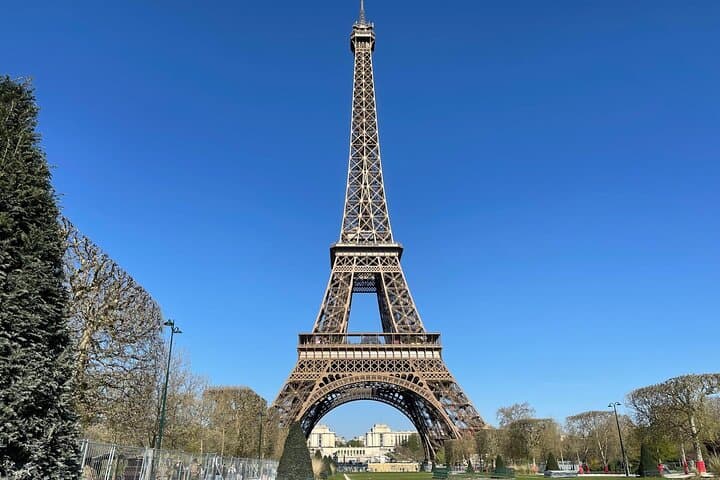
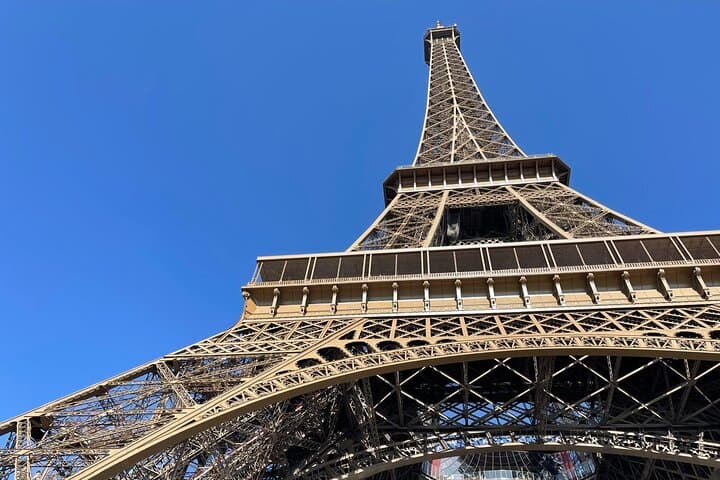
You step out onto Avenue Anatole France, the iron lattice above you cutting a crisp silhouette against the Paris sky. A guide waits with a white flag, voice carrying quick facts as people flow toward the security checkpoint. Inside, the city expands: the Seine dares your eyes to follow its ribbon, rooftops stack like weathered pages, and monuments punctuate the horizon.
You step out onto Avenue Anatole France, the iron lattice above you cutting a crisp silhouette against the Paris sky. A guide waits with a white flag, voice carrying quick facts as people flow toward the security checkpoint. Inside, the city expands: the Seine dares your eyes to follow its ribbon, rooftops stack like weathered pages, and monuments punctuate the horizon.
The Eiffel Tower began as a bold engineering showcase for the 1889 Exposition Universelle. Gustave Eiffel’s ironwork rested on concrete foundations driven into Parisian alluvium, transforming a temporary structure into an enduring emblem of modernity. From the second floor, the layout of Paris reads like a map of history—Louvre, Notre‑Dame, Sacré‑Cœur—each site a chapter in the city’s urban story.
Culturally, the tower is part monument, part public square: locals picnic on the Champ de Mars while vendors and musicians animate the approach. Practically, your guided portion ends on the second floor; summit access is an optional, separate ascent that can involve tight elevator queues or additional stairs.
Expect security checks and variable waits—from thirty minutes to longer during peak season. Wear sturdy shoes for stair sections, carry water, and time your visit for early morning or late afternoon light to avoid the heaviest crowds. If the summit is essential to your plan, allow extra time; in bad weather or maintenance the top can close. This tour balances context and access: a concise guided introduction, panoramic viewpoints, and the chance to continue higher on your own terms.