THE ADVENTURE COLLECTIVE® · Independent discovery and booking for outdoor travel

Ride the elevator through history to the Eiffel Tower’s second floor with a live guide, then optionally climb to the summit for sweeping Paris views. This guided visit combines context, fast-track logistics and plenty of skyline time.
Ride the elevator through history to the Eiffel Tower’s second floor with a live guide, then optionally climb to the summit for sweeping Paris views. This guided visit combines context, fast-track logistics and plenty of skyline time.
A queue parts like a slow river and the iron lattice of the Eiffel Tower climbs above, cutting the Paris sky into geometric light. Guides gather at the corner of Avenue Elisée Reclus with a white flag; their introductions bring context to the hum of tourists, street musicians and the distant sweep of the Seine. The elevator ride gives a mounting rhythm—metal, motion, and then a sudden opening onto the second floor with Paris laid flat in every direction.
Verified experiences and guided adventures in the surrounding area.
Operated by Journey Tours · Paris, Île-de-France
A queue parts like a slow river and the iron lattice of the Eiffel Tower climbs above, cutting the Paris sky into geometric light. Guides gather at the corner of Avenue Elisée Reclus with a white flag; their introductions bring context to the hum of tourists, street musicians and the distant sweep of the Seine. The elevator ride gives a mounting rhythm—metal, motion, and then a sudden opening onto the second floor with Paris laid flat in every direction.
Built for the 1889 Exposition Universelle by Gustave Eiffel, the tower was once condemned by critics and is now an engineering icon. Its wrought-iron ribs and riveted plates reflect 19th‑century industrial ambition more than geology; the site’s cultural weight grows each hour as locals and visitors rotate through cafés, gardens and bridges surrounding Champ de Mars.
Expect a briefing about the tower’s construction, a guide-led ascent to the second level, and the option to proceed to the summit independently. Security checks and elevator queues are part of the itinerary—wait times vary from half an hour to over an hour at peak season. Bring layers for wind at height, comfortable footwear for steps and ramps, and a small bag you can carry through security.
Timing matters: early morning or late afternoon offers softer light and shorter lines; midday brings the busiest crowds. While guides provide historical context and logistical help up to the second floor, summit access may be subject to closures for maintenance or weather. Plan transport to and from the meeting point, keep your voucher accessible, and budget 60–120 minutes for the guided portion with additional time if you choose summit access.
easy.
1–2 hours (guided portion).
Suitable for all fitness levels; involves standing and short walks at pace of a guided group
Meet at the corner of 1 Av. Elisée Reclus where the guide will hold a white branded flag; arrive 15 minutes early.
Summit access is included only if you selected that option when booking; if included, you proceed to the summit independently after the guided portion on the second floor.
Yes—security checks and elevator waits vary by season and time of day, typically from 30 minutes up to 1–2 hours at peak times.
The guided portion to the second floor is generally accessible via elevators, but check specific accessibility needs in advance and note that summit access may have limitations.
Erected for the 1889 Exposition Universelle, the Eiffel Tower was a controversial symbol of industrial modernity designed by Gustave Eiffel and later adapted with radio and scientific uses.
The tower is repainted roughly every seven years and undergoes regular maintenance; visitor management and energy-efficient upgrades aim to limit wear and reduce environmental impact.
Journey Tours operates guided outdoor trips and adventures with an emphasis on safety, stewardship, and memorable experiences.
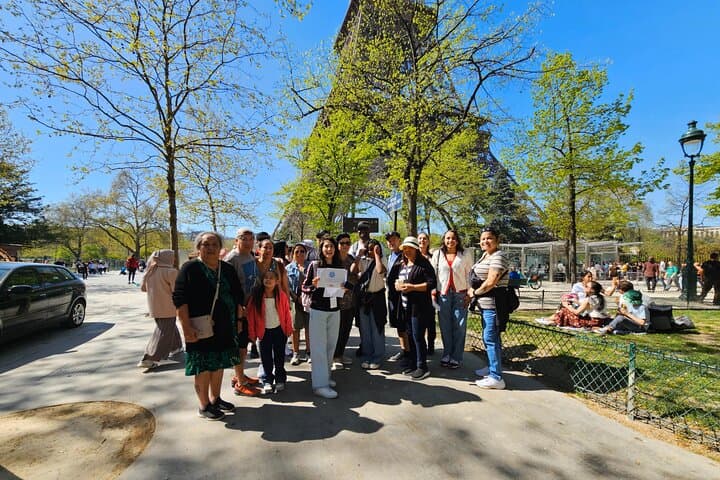
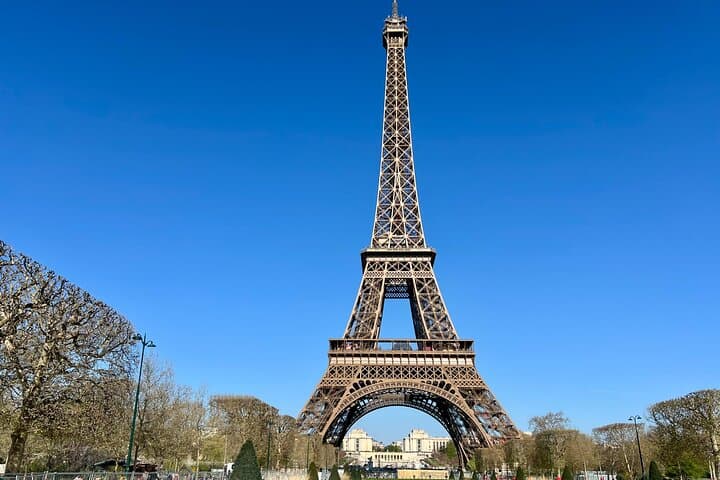
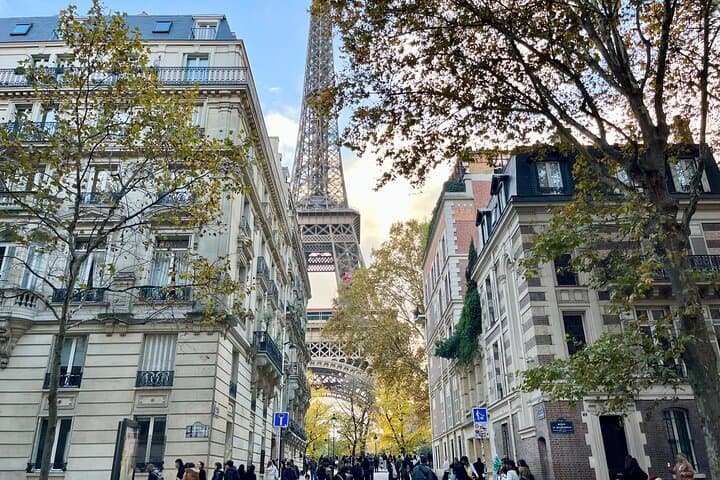
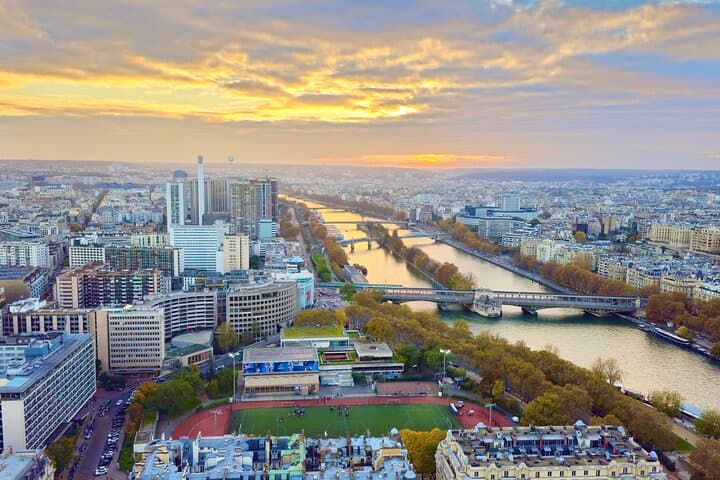
A queue parts like a slow river and the iron lattice of the Eiffel Tower climbs above, cutting the Paris sky into geometric light. Guides gather at the corner of Avenue Elisée Reclus with a white flag; their introductions bring context to the hum of tourists, street musicians and the distant sweep of the Seine. The elevator ride gives a mounting rhythm—metal, motion, and then a sudden opening onto the second floor with Paris laid flat in every direction.
A queue parts like a slow river and the iron lattice of the Eiffel Tower climbs above, cutting the Paris sky into geometric light. Guides gather at the corner of Avenue Elisée Reclus with a white flag; their introductions bring context to the hum of tourists, street musicians and the distant sweep of the Seine. The elevator ride gives a mounting rhythm—metal, motion, and then a sudden opening onto the second floor with Paris laid flat in every direction.
Built for the 1889 Exposition Universelle by Gustave Eiffel, the tower was once condemned by critics and is now an engineering icon. Its wrought-iron ribs and riveted plates reflect 19th‑century industrial ambition more than geology; the site’s cultural weight grows each hour as locals and visitors rotate through cafés, gardens and bridges surrounding Champ de Mars.
Expect a briefing about the tower’s construction, a guide-led ascent to the second level, and the option to proceed to the summit independently. Security checks and elevator queues are part of the itinerary—wait times vary from half an hour to over an hour at peak season. Bring layers for wind at height, comfortable footwear for steps and ramps, and a small bag you can carry through security.
Timing matters: early morning or late afternoon offers softer light and shorter lines; midday brings the busiest crowds. While guides provide historical context and logistical help up to the second floor, summit access may be subject to closures for maintenance or weather. Plan transport to and from the meeting point, keep your voucher accessible, and budget 60–120 minutes for the guided portion with additional time if you choose summit access.