THE ADVENTURE COLLECTIVE® · Independent discovery and booking for outdoor travel

Climb or ascend the Eiffel Tower with a local guide and take in sweeping views of Paris from the second floor, with an optional summit upgrade. Expect historical commentary, practical tips for timing and tickets, and a brisk urban climb that rewards high‑view perspectives.
Climb or ascend the Eiffel Tower with a local guide and take in sweeping views of Paris from the second floor, with an optional summit upgrade. Expect historical commentary, practical tips for timing and tickets, and a brisk urban climb that rewards high‑view perspectives.
You arrive at the base of the Eiffel Tower as the iron lattice rises above the Champ de Mars, its geometry carving the Paris sky. A guide in a red cap gathers the group at 7 Av. Silvestre de Sacy, and the city—Seine ribbons, rooftop chimneys, and distant Sacré‑Cœur—spreads outward like a map waiting to be read.
Verified experiences and guided adventures in the surrounding area.
Operated by THE PERFECT VACATION · Paris, Île-de-France
You arrive at the base of the Eiffel Tower as the iron lattice rises above the Champ de Mars, its geometry carving the Paris sky. A guide in a red cap gathers the group at 7 Av. Silvestre de Sacy, and the city—Seine ribbons, rooftop chimneys, and distant Sacré‑Cœur—spreads outward like a map waiting to be read.
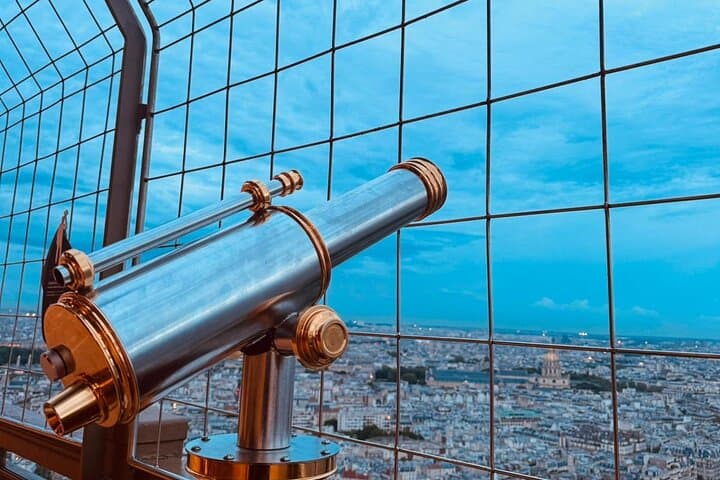
The tower itself is a late‑19th‑century engineering gesture: completed for the 1889 Exposition, its wrought‑iron structure was designed by Gustave Eiffel and stands roughly 324 m tall. Visitors typically ascend to the second floor—about 115 m up—where you can see the Louvre’s courtyard, Les Invalides’ dome and the Trocadéro terraces. The tower’s stair access to the second level (approx. 674 steps) and the summit via elevator shape the physical rhythm of the visit.
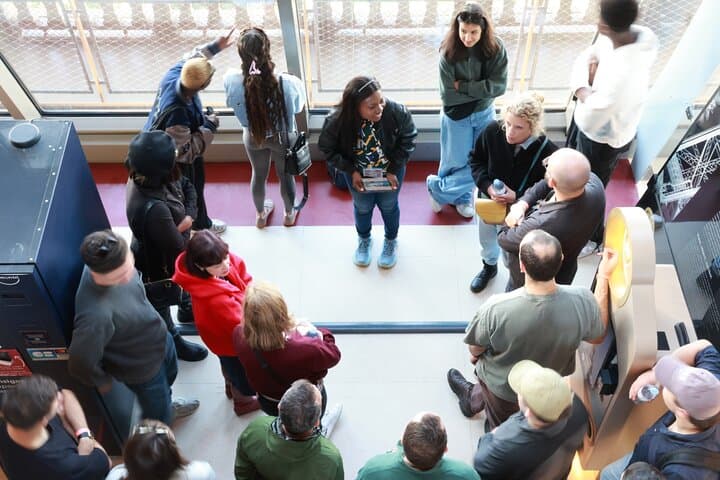
On this guided experience expect focused history—construction, wartime stories, and the evolution of the tower’s lighting—paired with city‑planning insights from your guide. You’ll pause for photos, taste a macaron at a second‑floor kiosk if you like, and learn when the nightly illuminations begin.
Practicalities matter: arrive 15 minutes early, carry ID, and be prepared for security screening and variable queues (30–90 minutes). The guide will provide tickets before ascent; summit access is optional and depends on weather and operational flow. This tour suits travelers in moderate shape who can manage stairs and standing; it’s not recommended for those with serious heart, spinal, or pregnancy concerns. Plan for cobbled approaches, variable winds at height, and tight elevator spaces—pack light and enjoy wide urban views that reward the climb.
moderate.
1.5 hours.
Moderate—able to stand for extended periods and climb multiple flights of stairs.
Tickets are provided by the guide before ascent; summit access is optional and may require an upgrade on the day depending on availability.
Public stairs are open to the second floor (about 674 steps); access to the summit beyond that is by elevator only.
Children and older adults can join if they can manage stairs and standing; the tour is not recommended for those with serious heart or spinal conditions or for pregnant visitors.
Allow for 30–90 minutes of queuing for security and lift access, which varies with season and time of day.
Built for the 1889 Exposition Universelle, the Eiffel Tower was initially divisive but became a global emblem of Paris; its structure is repainted roughly every seven years to protect the iron.
The tower undergoes continuous maintenance and repainting to mitigate rust and wear; visitors are asked to minimize litter and follow marked routes to reduce impact.
THE PERFECT VACATION operates guided outdoor trips and adventures with an emphasis on safety, stewardship, and memorable experiences.
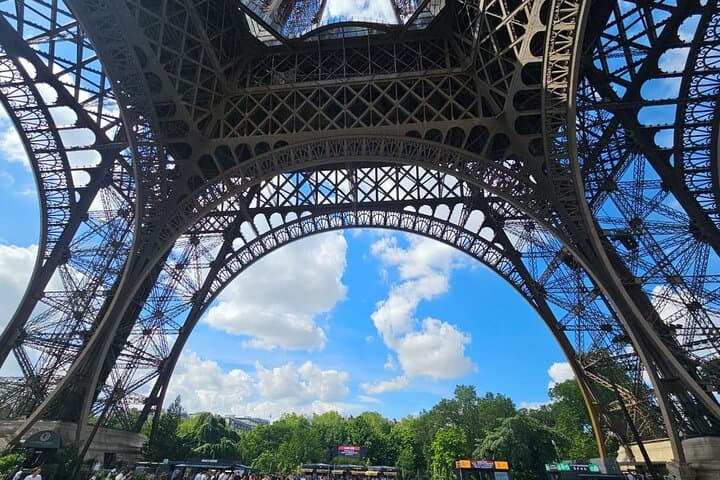
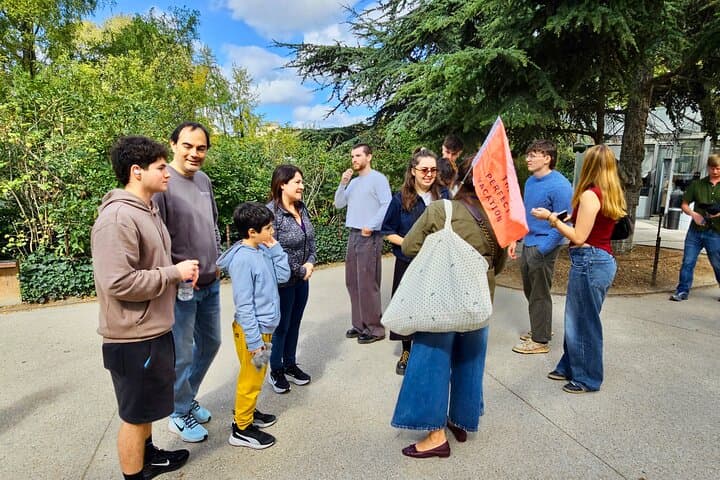
You arrive at the base of the Eiffel Tower as the iron lattice rises above the Champ de Mars, its geometry carving the Paris sky. A guide in a red cap gathers the group at 7 Av. Silvestre de Sacy, and the city—Seine ribbons, rooftop chimneys, and distant Sacré‑Cœur—spreads outward like a map waiting to be read.
You arrive at the base of the Eiffel Tower as the iron lattice rises above the Champ de Mars, its geometry carving the Paris sky. A guide in a red cap gathers the group at 7 Av. Silvestre de Sacy, and the city—Seine ribbons, rooftop chimneys, and distant Sacré‑Cœur—spreads outward like a map waiting to be read.
The tower itself is a late‑19th‑century engineering gesture: completed for the 1889 Exposition, its wrought‑iron structure was designed by Gustave Eiffel and stands roughly 324 m tall. Visitors typically ascend to the second floor—about 115 m up—where you can see the Louvre’s courtyard, Les Invalides’ dome and the Trocadéro terraces. The tower’s stair access to the second level (approx. 674 steps) and the summit via elevator shape the physical rhythm of the visit.
On this guided experience expect focused history—construction, wartime stories, and the evolution of the tower’s lighting—paired with city‑planning insights from your guide. You’ll pause for photos, taste a macaron at a second‑floor kiosk if you like, and learn when the nightly illuminations begin.
Practicalities matter: arrive 15 minutes early, carry ID, and be prepared for security screening and variable queues (30–90 minutes). The guide will provide tickets before ascent; summit access is optional and depends on weather and operational flow. This tour suits travelers in moderate shape who can manage stairs and standing; it’s not recommended for those with serious heart, spinal, or pregnancy concerns. Plan for cobbled approaches, variable winds at height, and tight elevator spaces—pack light and enjoy wide urban views that reward the climb.