THE ADVENTURE COLLECTIVE® · Independent discovery and booking for outdoor travel

Rise through the iron lattice of the Eiffel Tower with a self‑guided audioguide and optional summit access. This guide explains what to expect—from history and views to timing, accessibility, and practical tips to make the most of your visit.
Rise through the iron lattice of the Eiffel Tower with a self‑guided audioguide and optional summit access. This guide explains what to expect—from history and views to timing, accessibility, and practical tips to make the most of your visit.
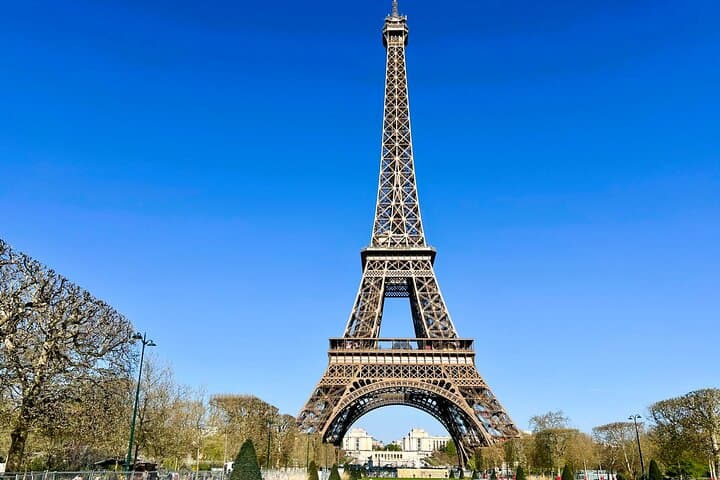
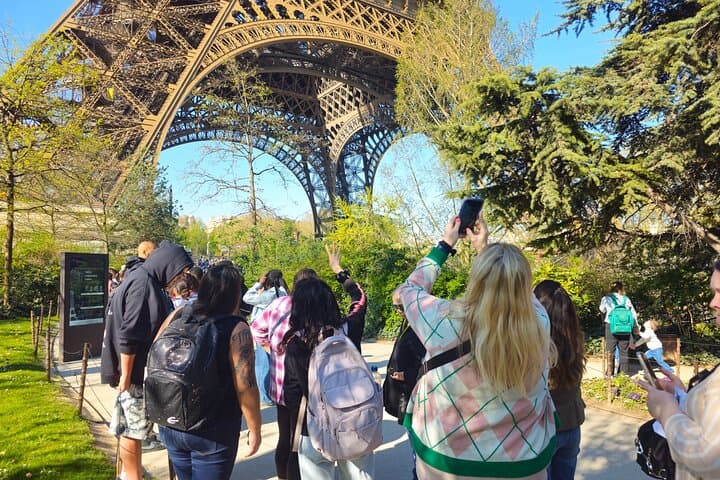
You step out from the shadow of chestnut trees and the murmur of the Seine into the park at the foot of a 324‑meter iron lattice that has defined Paris since 1889. The elevator sways gently, and the city opens in layers—roofs, boulevards, the distant curve of the river—each landmark a punctuation point you can identify through the audioguide as you rise.
Verified experiences and guided adventures in the surrounding area.
Operated by Journey Tours · Paris, Île-de-France
You step out from the shadow of chestnut trees and the murmur of the Seine into the park at the foot of a 324‑meter iron lattice that has defined Paris since 1889. The elevator sways gently, and the city opens in layers—roofs, boulevards, the distant curve of the river—each landmark a punctuation point you can identify through the audioguide as you rise.
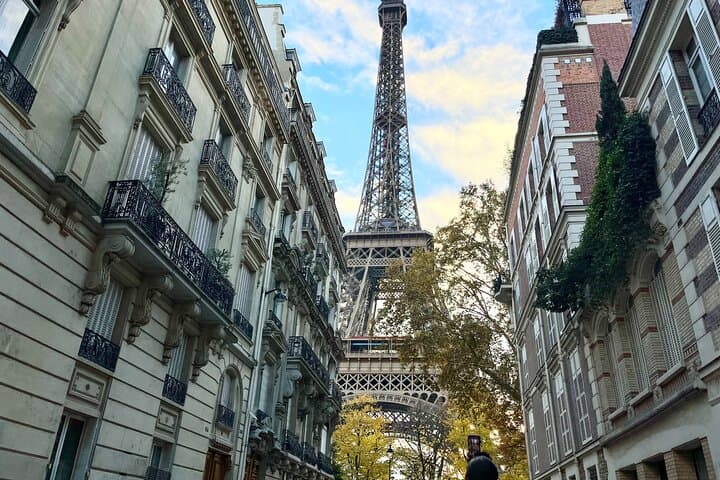
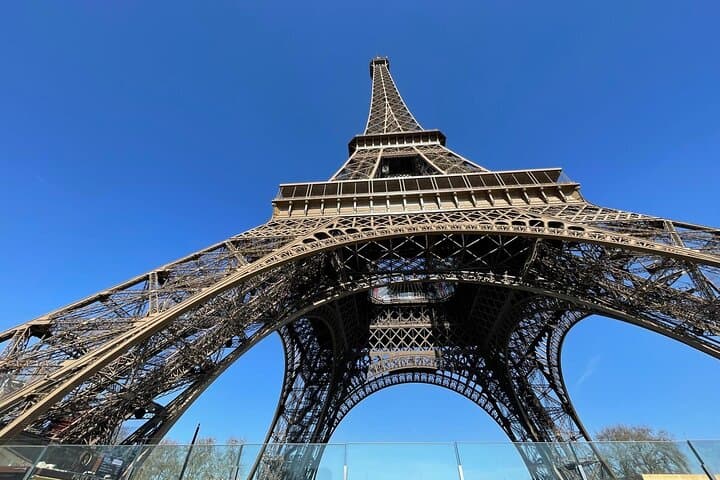
Built for the Exposition Universelle by Gustave Eiffel, the Tower is as much a feat of 19th‑century engineering as it is a viewing platform. The ironwork, rivets and cross‑braced beams reflect industrial advances of the time; from the second floor the geometry frames the axis of Paris—Champs‑Élysées, Trocadéro, and the Île de la Cité—while the summit offers a sharper, panoramic perspective.
Culturally, the tower has been a stage for Parisian celebrations, scientific experiments and quiet moments of observation. Expect urban sounds carried up with you: a river ferry’s horn, a street musician below, and the chatter of visitors from around the world.
Practical guidance: reserve a timed ticket and download the audioguide app in advance; summit access can close for maintenance or weather. Allow 60–120 minutes for the visit, including security lines and time to absorb views. Wear comfortable shoes for the stair and platform surfaces, carry a small water bottle, and plan photos early or late in the day to avoid harsh light and peak crowds. If you’re traveling with mobility needs, elevators provide access to the main viewing levels, but check current operating status on the official site before you go.
easy.
1–2 hours.
Suitable for nearly all fitness levels; expect short walks and standing on viewing platforms
Summit access is available only if you selected the summit upgrade; confirm on your ticket and note summit access may close for maintenance or weather.
Yes—elevators provide access to the first and second levels and there is wheelchair access; check current lift operations before arrival.
Plan 60–120 minutes to include security, elevator rides, time with the audioguide and photos; longer if you wait for less crowded windows.
Audioguides typically support multiple major languages; you’ll receive app access and language options when you book or upon confirmation.
Constructed for the 1889 World’s Fair, the Eiffel Tower showcased iron construction techniques and became a symbol of modernity; it was designed by Maurice Koechlin and Émile Nouguier under Gustave Eiffel’s company.
High visitor numbers require careful crowd management and maintenance—follow posted routes, avoid littering, and use public transit to reduce local congestion.
Journey Tours operates guided outdoor trips and adventures with an emphasis on safety, stewardship, and memorable experiences.
You step out from the shadow of chestnut trees and the murmur of the Seine into the park at the foot of a 324‑meter iron lattice that has defined Paris since 1889. The elevator sways gently, and the city opens in layers—roofs, boulevards, the distant curve of the river—each landmark a punctuation point you can identify through the audioguide as you rise.
You step out from the shadow of chestnut trees and the murmur of the Seine into the park at the foot of a 324‑meter iron lattice that has defined Paris since 1889. The elevator sways gently, and the city opens in layers—roofs, boulevards, the distant curve of the river—each landmark a punctuation point you can identify through the audioguide as you rise.
Built for the Exposition Universelle by Gustave Eiffel, the Tower is as much a feat of 19th‑century engineering as it is a viewing platform. The ironwork, rivets and cross‑braced beams reflect industrial advances of the time; from the second floor the geometry frames the axis of Paris—Champs‑Élysées, Trocadéro, and the Île de la Cité—while the summit offers a sharper, panoramic perspective.
Culturally, the tower has been a stage for Parisian celebrations, scientific experiments and quiet moments of observation. Expect urban sounds carried up with you: a river ferry’s horn, a street musician below, and the chatter of visitors from around the world.
Practical guidance: reserve a timed ticket and download the audioguide app in advance; summit access can close for maintenance or weather. Allow 60–120 minutes for the visit, including security lines and time to absorb views. Wear comfortable shoes for the stair and platform surfaces, carry a small water bottle, and plan photos early or late in the day to avoid harsh light and peak crowds. If you’re traveling with mobility needs, elevators provide access to the main viewing levels, but check current operating status on the official site before you go.