THE ADVENTURE COLLECTIVE® · Independent discovery and booking for outdoor travel

Stand beneath the Eiffel Tower and walk the avenues that shaped modern Paris. This small-group tour pairs detailed historical context with close-up views of the Champ de Mars, École Militaire and Les Invalides in about 1 hour 45 minutes.
Stand beneath the Eiffel Tower and walk the avenues that shaped modern Paris. This small-group tour pairs detailed historical context with close-up views of the Champ de Mars, École Militaire and Les Invalides in about 1 hour 45 minutes.
A soft morning light unfurls across the Champ de Mars as the iron lattice of the Eiffel Tower rises overhead, its rivets catching and releasing the city’s movement. This small-group walking tour begins at the tower’s base and moves through the same avenues that witnessed the 1889 Exposition Universelle, placing you where Paris shifted from classical planning to industrial bravado.
Verified experiences and guided adventures in the surrounding area.
Operated by Ned · Paris, Île-de-France
A soft morning light unfurls across the Champ de Mars as the iron lattice of the Eiffel Tower rises overhead, its rivets catching and releasing the city’s movement. This small-group walking tour begins at the tower’s base and moves through the same avenues that witnessed the 1889 Exposition Universelle, placing you where Paris shifted from classical planning to industrial bravado.
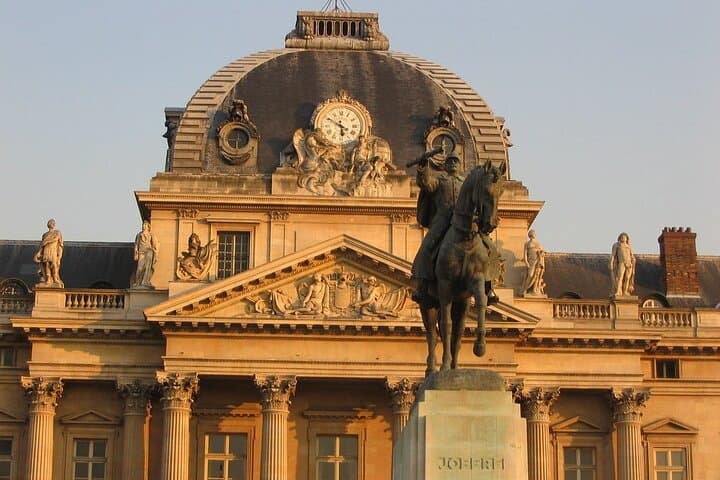
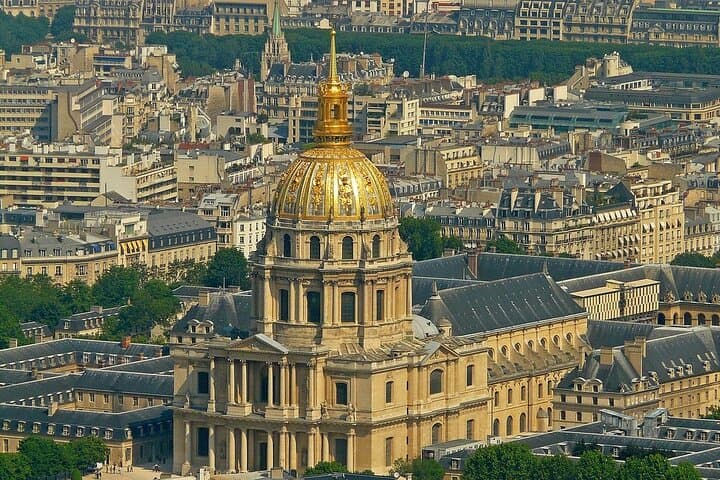
The guide threads history into place — Gustave Eiffel’s engineering gamble, the early outrage from artists and critics, and the Tower’s slow conversion from scandal to national emblem. Walking southeast across the Champ de Mars you’ll pass the École Militaire, a neoclassical complex with ties to figures like Napoleon, then skirt Les Invalides, where military architecture and the country’s martial memory meet.
Geology here is urban: reclaimed river terraces of the Seine, compacted alluvial soils that allowed Paris’s boulevards and grand squares to be laid out in the 18th–19th centuries. Culturally, this part of Paris balances ceremonial space with everyday life — picnics on the lawns, market streets humming near métro stops.
Practical guidance: plan for roughly 1 hour 45 minutes of standing and walking on paved surfaces; bring comfortable shoes and a light layer for wind off the Seine. Peak sunlight and photo light are best early or late in the day; mid-afternoon brings crowds. Be mindful of pickpockets in busy viewpoints and keep water handy — cafés are plentiful but queues can be long. The tour is an efficient way to combine architectural context, local color, and a compact history lesson in less than two hours.
easy.
1–2 hours.
Suitable for most fitness levels; expect steady walking and some standing. Not suitable for those with serious spinal or cardiovascular issues.
No — this walking tour provides commentary and external viewpoints; separate tickets are required to enter the tower or ascend its levels.
The guide meets outside in front of the nearby hotel holding a 'Walking Tour' poster; exact meeting instructions are provided at booking.
The tour is family-friendly and considered easy, but it involves walking and standing on uneven pavements; it’s not recommended for travelers with severe back or cardiovascular issues.
Full refund if canceled at least 24 hours before the scheduled departure; no refund within 24 hours.
The Eiffel Tower was built as the entrance arch to the 1889 Exposition Universelle and initially faced widespread criticism before becoming a French icon.
High foot traffic affects green spaces like the Champ de Mars—stay on paths, pack out trash, and respect marked lawns to help preserve the park.
Ned operates guided outdoor trips and adventures with an emphasis on safety, stewardship, and memorable experiences.
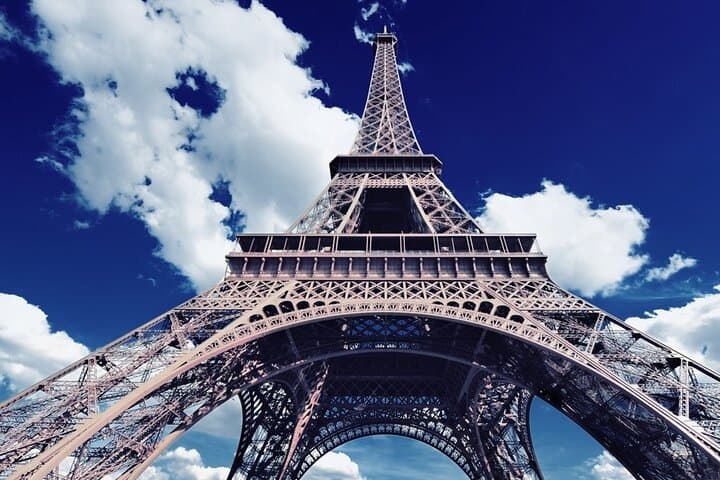
A soft morning light unfurls across the Champ de Mars as the iron lattice of the Eiffel Tower rises overhead, its rivets catching and releasing the city’s movement. This small-group walking tour begins at the tower’s base and moves through the same avenues that witnessed the 1889 Exposition Universelle, placing you where Paris shifted from classical planning to industrial bravado.
A soft morning light unfurls across the Champ de Mars as the iron lattice of the Eiffel Tower rises overhead, its rivets catching and releasing the city’s movement. This small-group walking tour begins at the tower’s base and moves through the same avenues that witnessed the 1889 Exposition Universelle, placing you where Paris shifted from classical planning to industrial bravado.
The guide threads history into place — Gustave Eiffel’s engineering gamble, the early outrage from artists and critics, and the Tower’s slow conversion from scandal to national emblem. Walking southeast across the Champ de Mars you’ll pass the École Militaire, a neoclassical complex with ties to figures like Napoleon, then skirt Les Invalides, where military architecture and the country’s martial memory meet.
Geology here is urban: reclaimed river terraces of the Seine, compacted alluvial soils that allowed Paris’s boulevards and grand squares to be laid out in the 18th–19th centuries. Culturally, this part of Paris balances ceremonial space with everyday life — picnics on the lawns, market streets humming near métro stops.
Practical guidance: plan for roughly 1 hour 45 minutes of standing and walking on paved surfaces; bring comfortable shoes and a light layer for wind off the Seine. Peak sunlight and photo light are best early or late in the day; mid-afternoon brings crowds. Be mindful of pickpockets in busy viewpoints and keep water handy — cafés are plentiful but queues can be long. The tour is an efficient way to combine architectural context, local color, and a compact history lesson in less than two hours.