THE ADVENTURE COLLECTIVE® · Independent discovery and booking for outdoor travel

Reserve a timed entry to the Eiffel Tower’s second floor and use an audioguide to understand the landmark’s history and sightlines. Upgrade to summit access for the highest public viewpoint — but plan for security checks and possible summit closures in extreme weather.
Reserve a timed entry to the Eiffel Tower’s second floor and use an audioguide to understand the landmark’s history and sightlines. Upgrade to summit access for the highest public viewpoint — but plan for security checks and possible summit closures in extreme weather.
You step out of the Metro into a wash of stone and Seine air, the iron lattice rising ahead like a city-sized machine. The tower looms, every rivet visible from below, and your reserved ticket buys you a civilized ascent to the second floor — a perch where Paris opens into avenues, river bends, and the grey-blue rooftops that define the skyline.
Verified experiences and guided adventures in the surrounding area.
Operated by Italy Wonders SRLS · Paris, Île-de-France
You step out of the Metro into a wash of stone and Seine air, the iron lattice rising ahead like a city-sized machine. The tower looms, every rivet visible from below, and your reserved ticket buys you a civilized ascent to the second floor — a perch where Paris opens into avenues, river bends, and the grey-blue rooftops that define the skyline.
Built for the 1889 Exposition Universelle, the Eiffel Tower was once derided by artists and officials before becoming a worldwide icon. Geologically the city sits on sedimentary plains beside the Seine; the tower’s foundations are concrete and masonry sunk into riverbank soils, anchoring its delicate frame above urban life. Culturally the monument is less a monument than a public stage: wedding photos, protests, lovers, school trips and scientific instruments all find place here.
On the second floor the audioguide explains sightlines — Sacré-Cœur bobbing on the northern horizon, the Louvre’s glass catching the light — and points out the tower’s engineering feats. If you upgrade, the summit narrows the city to a panoramic map.
Practical guidance: arrive 15 minutes early at the meeting point, bring a charged smartphone and headphones for the audioguide, and expect security screening and elevator waits. Summer heat can force temporary summit closures; check weather notices and wear comfortable shoes for standing and stairs. The host accompanies visitors to level two; summit access, if purchased, may require a separate elevator beyond that point. Whether you linger on a terrace or head higher, plan time for lines and for the views to sink in.
easy.
1–2 hours.
Minimal fitness required — ability to stand and manage a few stairs if summit selected
Yes — the operator charges adult pricing for all travelers aged 4 and up, so check ages before booking.
Summit access is optional; this ticket guarantees entry to the 1st and 2nd floors, with summit added only if you select the upgrade.
No — the voucher must be exchanged with the host at the specified meeting point to receive your official entry tickets.
The Eiffel Tower provides wheelchair access to the main levels; notify the operator of any accessibility needs when booking so arrangements can be confirmed.
The tower was constructed for the 1889 Exposition to mark the centennial of the French Revolution, designed by Gustave Eiffel’s engineering team and initially criticized before becoming a symbol of Paris.
The tower is regularly repainted and inspected to limit corrosion and maintain visitor safety; visitors are asked to follow signage and pack out waste to reduce footprint.
Italy Wonders SRLS operates guided outdoor trips and adventures with an emphasis on safety, stewardship, and memorable experiences.
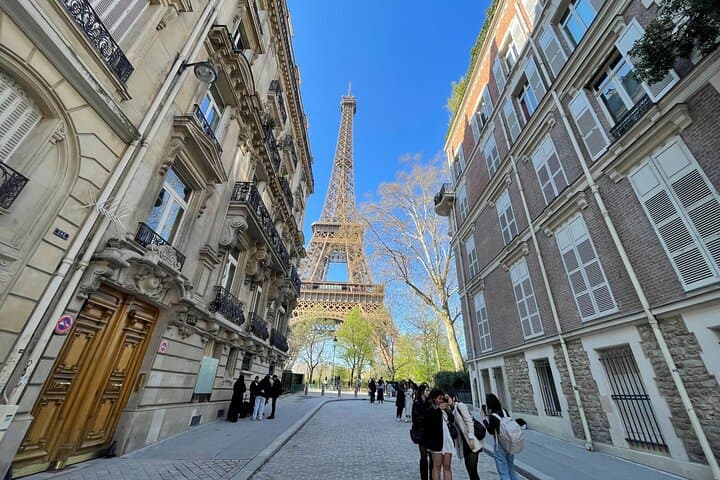
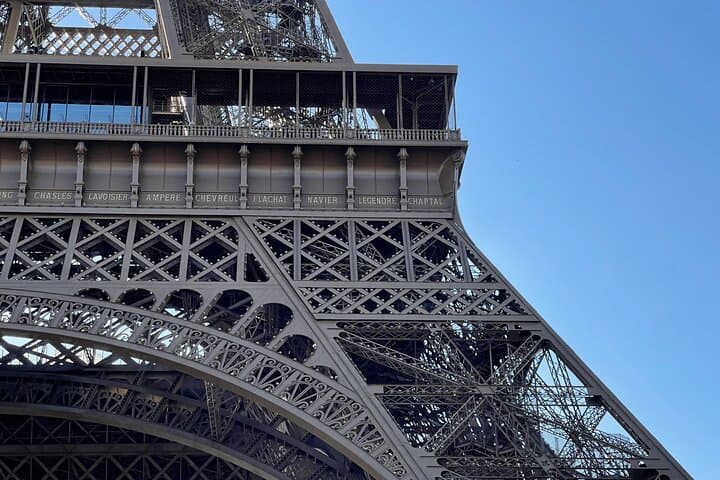
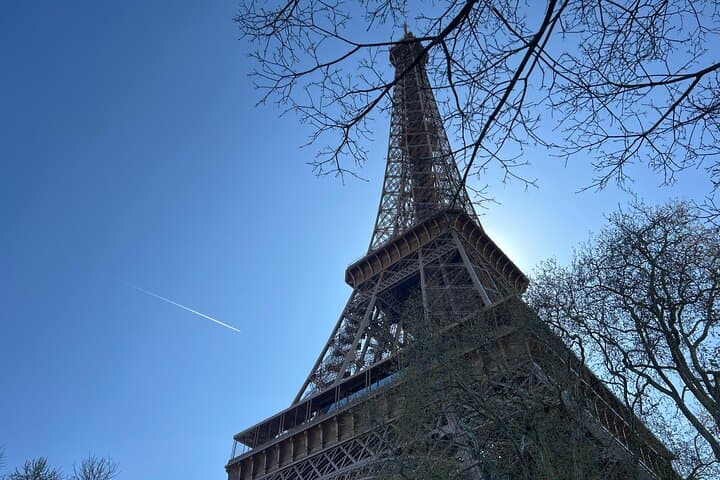
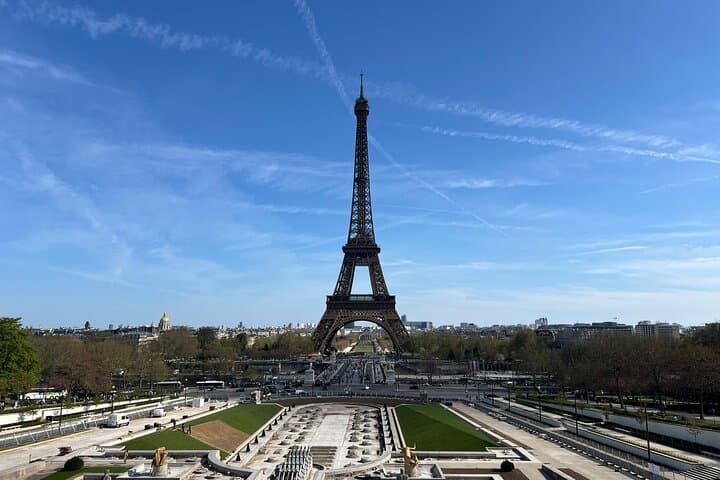
You step out of the Metro into a wash of stone and Seine air, the iron lattice rising ahead like a city-sized machine. The tower looms, every rivet visible from below, and your reserved ticket buys you a civilized ascent to the second floor — a perch where Paris opens into avenues, river bends, and the grey-blue rooftops that define the skyline.
You step out of the Metro into a wash of stone and Seine air, the iron lattice rising ahead like a city-sized machine. The tower looms, every rivet visible from below, and your reserved ticket buys you a civilized ascent to the second floor — a perch where Paris opens into avenues, river bends, and the grey-blue rooftops that define the skyline.
Built for the 1889 Exposition Universelle, the Eiffel Tower was once derided by artists and officials before becoming a worldwide icon. Geologically the city sits on sedimentary plains beside the Seine; the tower’s foundations are concrete and masonry sunk into riverbank soils, anchoring its delicate frame above urban life. Culturally the monument is less a monument than a public stage: wedding photos, protests, lovers, school trips and scientific instruments all find place here.
On the second floor the audioguide explains sightlines — Sacré-Cœur bobbing on the northern horizon, the Louvre’s glass catching the light — and points out the tower’s engineering feats. If you upgrade, the summit narrows the city to a panoramic map.
Practical guidance: arrive 15 minutes early at the meeting point, bring a charged smartphone and headphones for the audioguide, and expect security screening and elevator waits. Summer heat can force temporary summit closures; check weather notices and wear comfortable shoes for standing and stairs. The host accompanies visitors to level two; summit access, if purchased, may require a separate elevator beyond that point. Whether you linger on a terrace or head higher, plan time for lines and for the views to sink in.