THE ADVENTURE COLLECTIVE® · Independent discovery and booking for outdoor travel

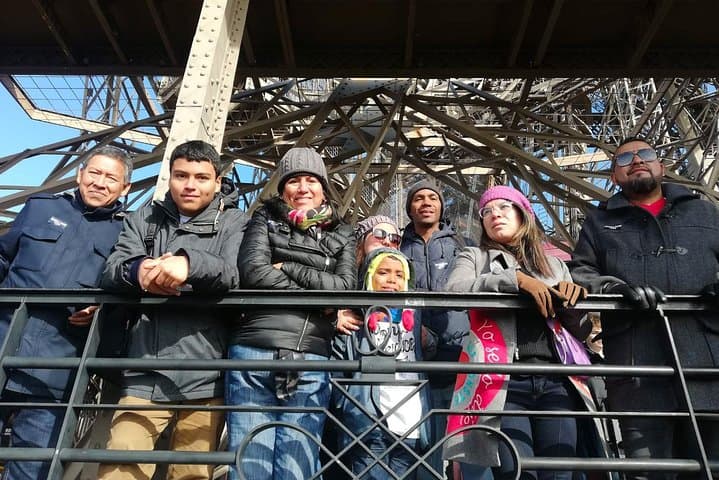
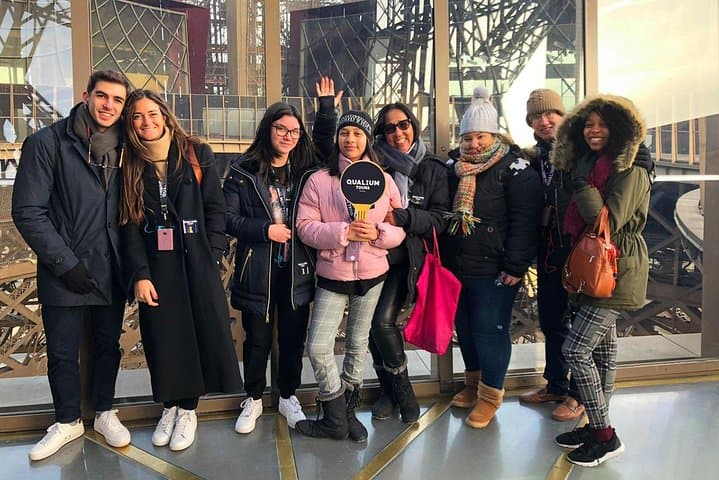
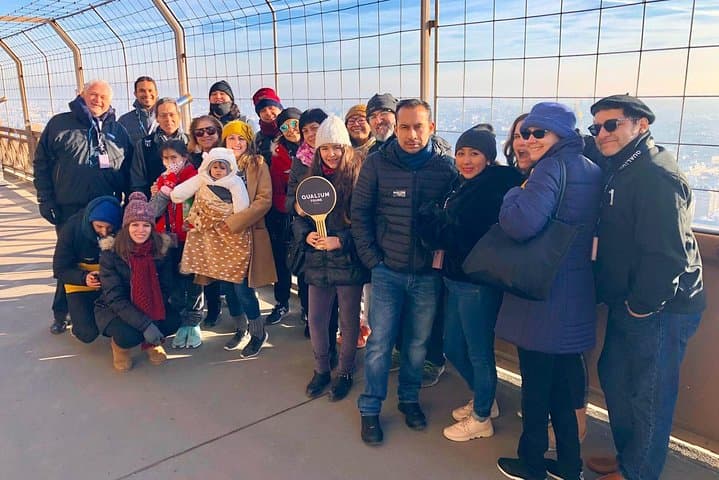
Ascend to the Eiffel Tower’s second floor with a guide and take in 360-degree views of Paris while learning the landmark’s history. This reserved-access visit reduces uncertainty but expect security checks and variable lift queues.
Ascend to the Eiffel Tower’s second floor with a guide and take in 360-degree views of Paris while learning the landmark’s history. This reserved-access visit reduces uncertainty but expect security checks and variable lift queues.
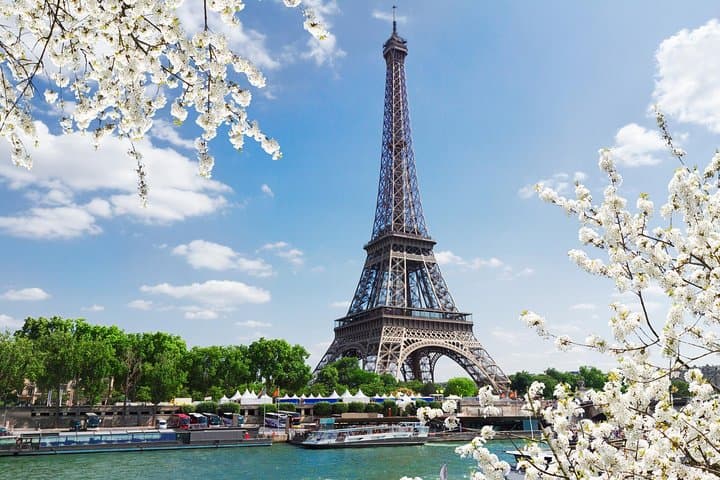
The iron lattice lifts you into the air as Paris opens below: river curves, Haussmann rooftops and avenue lines converging toward distant landmarks. Standing on the second floor of the Eiffel Tower feels like stepping onto a deliberate observation post—wind sharpening the outline of the city while guides point out Notre-Dame, the Louvre and the snaking Seine.
Verified experiences and guided adventures in the surrounding area.
Operated by QUALIUM · Paris, Île-de-France
The iron lattice lifts you into the air as Paris opens below: river curves, Haussmann rooftops and avenue lines converging toward distant landmarks. Standing on the second floor of the Eiffel Tower feels like stepping onto a deliberate observation post—wind sharpening the outline of the city while guides point out Notre-Dame, the Louvre and the snaking Seine.
Designed by Gustave Eiffel for the 1889 Exposition Universelle, the tower transformed a working-class district into an emblem of modern engineering. Its wrought-iron arches sit on foundations bored into the Champ de Mars, and the structure’s geometry reflects late-19th-century advances in metal construction rather than local geology.
Culturally, the tower is both a local meeting place and a global icon; nearby spots such as Trocadéro and the Musée du Quai Branly give context to Parisian civic life and design history. Visitors should expect a mix of structured narration from the guide and open moments for photography and quiet looking.
Practical guidance: meet 15 minutes early at 7 rue de la Manutention; allow time for security and lift lines that can range from 30 minutes to two hours in high season. The reserved second-floor ticket guarantees access to that level but does not eliminate queues for security or elevators. Bring a compact daypack, a jacket for gusty heights, water, and a charged camera or phone. If you want softer light and smaller crowds, target early morning or the hour before sunset. Be mindful of pickpockets in crowded approach areas and follow staff instructions for fast, safe boarding.
easy.
2 hours.
Suitable for all fitness levels; requires standing and some stairs if lifts are busy
Reserved access secures your ticket for the second floor but you may still encounter queues for security checks and elevator boarding.
The tour notes stroller access and public transport nearby; accessibility varies by area and staff can advise on elevator routes.
Expect about two hours total including the guided portion, approach time, and possible waits for security or lifts.
Security screening is mandatory; avoid oversized bags and follow official visitor guidance on prohibited items.
Completed in 1889 for the World’s Fair, the tower showcased new iron construction and marked Paris’s shift toward industrial-age architecture.
The Eiffel Tower undergoes regular maintenance and repainting to protect the metal; visitors are asked to minimize litter and respect restricted areas to limit wear.
QUALIUM operates guided outdoor trips and adventures with an emphasis on safety, stewardship, and memorable experiences.
The iron lattice lifts you into the air as Paris opens below: river curves, Haussmann rooftops and avenue lines converging toward distant landmarks. Standing on the second floor of the Eiffel Tower feels like stepping onto a deliberate observation post—wind sharpening the outline of the city while guides point out Notre-Dame, the Louvre and the snaking Seine.
The iron lattice lifts you into the air as Paris opens below: river curves, Haussmann rooftops and avenue lines converging toward distant landmarks. Standing on the second floor of the Eiffel Tower feels like stepping onto a deliberate observation post—wind sharpening the outline of the city while guides point out Notre-Dame, the Louvre and the snaking Seine.
Designed by Gustave Eiffel for the 1889 Exposition Universelle, the tower transformed a working-class district into an emblem of modern engineering. Its wrought-iron arches sit on foundations bored into the Champ de Mars, and the structure’s geometry reflects late-19th-century advances in metal construction rather than local geology.
Culturally, the tower is both a local meeting place and a global icon; nearby spots such as Trocadéro and the Musée du Quai Branly give context to Parisian civic life and design history. Visitors should expect a mix of structured narration from the guide and open moments for photography and quiet looking.
Practical guidance: meet 15 minutes early at 7 rue de la Manutention; allow time for security and lift lines that can range from 30 minutes to two hours in high season. The reserved second-floor ticket guarantees access to that level but does not eliminate queues for security or elevators. Bring a compact daypack, a jacket for gusty heights, water, and a charged camera or phone. If you want softer light and smaller crowds, target early morning or the hour before sunset. Be mindful of pickpockets in crowded approach areas and follow staff instructions for fast, safe boarding.