THE ADVENTURE COLLECTIVE® · Independent discovery and booking for outdoor travel

Step into a working chapter of the Eifel: Birgel’s Technology Museum runs historic steam engines, oil presses and a three‑storey grain mill on select days. Hands-on demos and children's programmes bring industrial heritage to life.
Step into a working chapter of the Eifel: Birgel’s Technology Museum runs historic steam engines, oil presses and a three‑storey grain mill on select days. Hands-on demos and children's programmes bring industrial heritage to life.
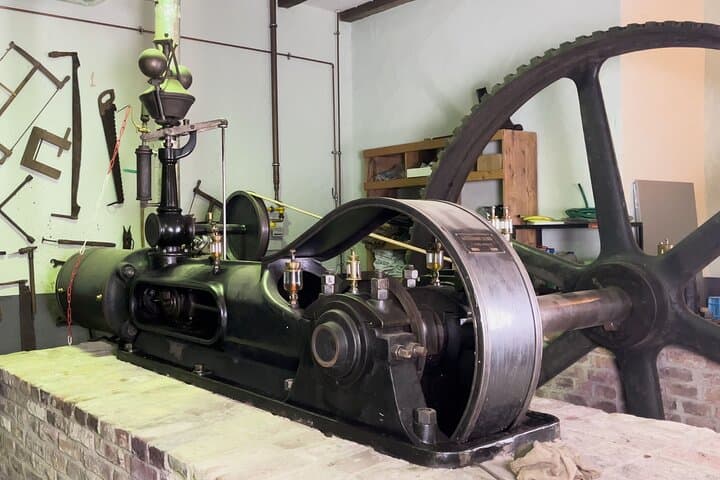
A chill from the Kyll valley follows you as you round the millpond and the mill's wheel creaks into life — oil-slicked gears and polished brass catching light as steam whispers from a 1917 engine. The Birgel Historical Watermill turns more than grain here; it turns stories of rural industry and human ingenuity into a living demonstration you can walk through.
Verified experiences and guided adventures in the surrounding area.
Operated by Mühlen-Museum Historische Wassermühle Birgel · Birgel, Rhineland-Palatinate
A chill from the Kyll valley follows you as you round the millpond and the mill's wheel creaks into life — oil-slicked gears and polished brass catching light as steam whispers from a 1917 engine. The Birgel Historical Watermill turns more than grain here; it turns stories of rural industry and human ingenuity into a living demonstration you can walk through.
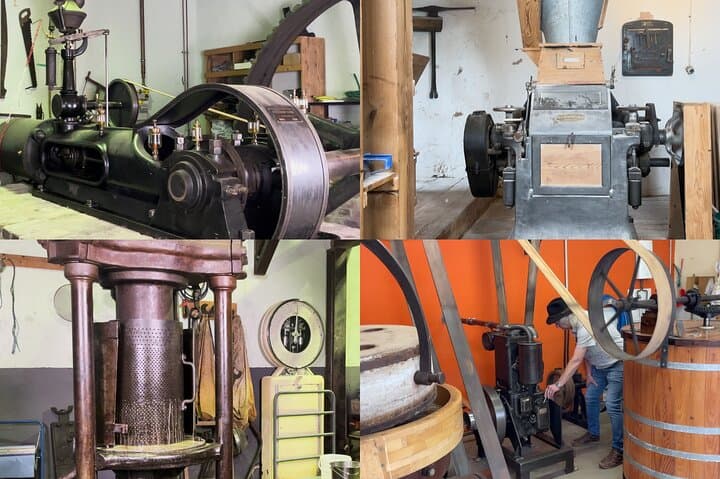
The Eifel's geology — volcanic rock and steep river cuts — shaped the small farms and mills that powered local life for centuries. At Birgel, a three-storey grain mill and water turbine sit alongside a mechanical oil press and a mustard mill, illustrating how water and simple mechanics drove rural economies. The site also houses a scoop brewery and small distillery, echoing regional traditions of grain processing and craft spirits.
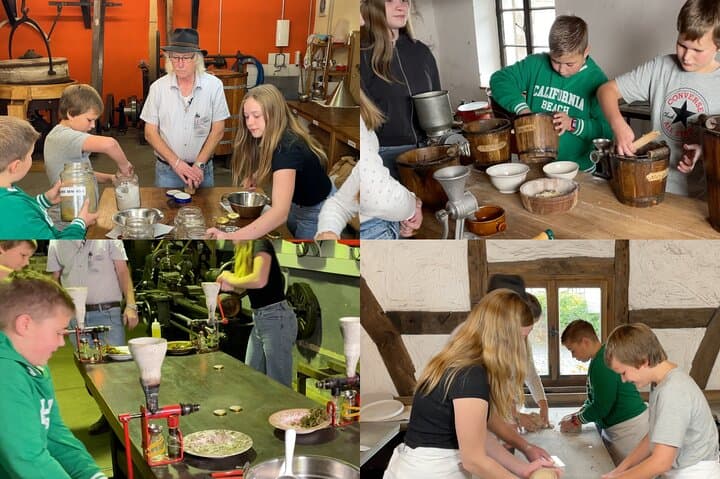
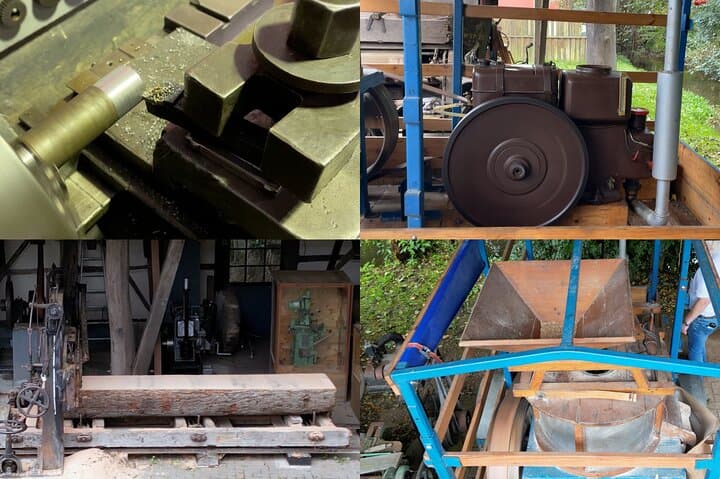
Expect close-up demonstrations: a roaring steam engine, a lathe spinning out metalwork, and timed showings of the oil press and grist machinery. Families will find children's programmes (bookable) that teach bread baking, cereal making and oil pressing the old way. The museum is largely accessible and suitable for all fitness levels, though narrow staircases access upper mill levels.
Plan practicalities: check the limited 2025 open dates and arrive early for the best demonstration slots; bring a jacket for damp cellar spaces, and allow 3–5 hours to take tours, watch machines and sample the on-site brewery products. Photography is welcome but keep a safe distance from moving machinery. Respect the conservation work: the museum’s value is in function — listen to guides and follow posted barriers.
easy.
4–5 hours.
Suitable for all fitness levels; visitors should be able to stand and climb a few narrow mill stairs.
Yes — demonstrations of the steam engine, oil press and other machines are part of the museum programme on scheduled demo days.
Yes — the museum lists wheelchair and stroller accessibility for main areas; some upper levels are reached by stairs and may not be accessible.
Allow roughly 3–5 hours to tour the exhibits, attend demonstrations and participate in optional children's workshops.
No — children's workshops are an extra fee and require separate booking on site or in advance when available.
The mill reflects the Eifel’s long history of small-scale grain and oil processing where waterpower and simple mechanics sustained rural communities.
The museum preserves functional historic machinery; visitors should follow safety barriers and guidance to prevent wear on working equipment and support ongoing restoration efforts.
Mühlen-Museum Historische Wassermühle Birgel operates guided outdoor trips and adventures with an emphasis on safety, stewardship, and memorable experiences.
A chill from the Kyll valley follows you as you round the millpond and the mill's wheel creaks into life — oil-slicked gears and polished brass catching light as steam whispers from a 1917 engine. The Birgel Historical Watermill turns more than grain here; it turns stories of rural industry and human ingenuity into a living demonstration you can walk through.
A chill from the Kyll valley follows you as you round the millpond and the mill's wheel creaks into life — oil-slicked gears and polished brass catching light as steam whispers from a 1917 engine. The Birgel Historical Watermill turns more than grain here; it turns stories of rural industry and human ingenuity into a living demonstration you can walk through.
The Eifel's geology — volcanic rock and steep river cuts — shaped the small farms and mills that powered local life for centuries. At Birgel, a three-storey grain mill and water turbine sit alongside a mechanical oil press and a mustard mill, illustrating how water and simple mechanics drove rural economies. The site also houses a scoop brewery and small distillery, echoing regional traditions of grain processing and craft spirits.
Expect close-up demonstrations: a roaring steam engine, a lathe spinning out metalwork, and timed showings of the oil press and grist machinery. Families will find children's programmes (bookable) that teach bread baking, cereal making and oil pressing the old way. The museum is largely accessible and suitable for all fitness levels, though narrow staircases access upper mill levels.
Plan practicalities: check the limited 2025 open dates and arrive early for the best demonstration slots; bring a jacket for damp cellar spaces, and allow 3–5 hours to take tours, watch machines and sample the on-site brewery products. Photography is welcome but keep a safe distance from moving machinery. Respect the conservation work: the museum’s value is in function — listen to guides and follow posted barriers.