THE ADVENTURE COLLECTIVE® · Independent discovery and booking for outdoor travel

Explore Ehrenfeld on a guided two-hour street-art walk that connects you with murals, local artists, and back-alley stories. Perfect for photographers and culture-seekers who want insider context on Cologne’s urban art scene.
Explore Ehrenfeld on a guided two-hour street-art walk that connects you with murals, local artists, and back-alley stories. Perfect for photographers and culture-seekers who want insider context on Cologne’s urban art scene.
You step off Venloer Straße into an alley where color has decided to stay. Concrete faces a riot of paint; spray-can lines argue with stenciled shapes. Guides lead small groups through Ehrenfeld’s mapped chaos, stopping where murals demand a closer look and where an artist’s anecdote rearranges the history of a wall.
Verified experiences and guided adventures in the surrounding area.
Operated by Cologne Streetart Tours · Cologne, North Rhine-Westphalia
You step off Venloer Straße into an alley where color has decided to stay. Concrete faces a riot of paint; spray-can lines argue with stenciled shapes. Guides lead small groups through Ehrenfeld’s mapped chaos, stopping where murals demand a closer look and where an artist’s anecdote rearranges the history of a wall.
Ehrenfeld grew from 19th-century industry into a post-war working-class quarter; its rough masonry and former factory façades now host large-scale murals and guerrilla pieces. The neighborhood’s geology is urban—brick, concrete, tile—surfaces that take paint and weather it into layers of stories. Culturally, Ehrenfeld is known for DIY venues like Odonien, a metal-sculpture playground and event space where street art and performance meet.
Expect an insider perspective: guides who know artists by name, point out recurring motifs, and explain the politics behind commissions and illegal pieces. You’ll learn how gentrification, community projects, and local clubs shape the street-art scene and where to photograph large murals without blocking traffic.
Practical guidance: tours last about two hours on mostly flat pavement; wear comfortable shoes and bring a charged camera. Respect private property and ask before photographing people or active works. Tours run year-round—rain can amplify colors, but bring a packable rain jacket. Small-group size keeps the walk conversational and nimble, letting you pause, sketch, or try a supervised tagging exercise that gives hands-on context to what you’ve seen. Ehrenfeld’s walls aren’t passive backgrounds; they challenge, comment, and invite you to look twice.
easy.
2 hours.
Suitable for most fitness levels; requires standing and short walks over flat to mildly uneven pavement.
Tours are typically offered in German and English—check booking details or request language preference when reserving.
Many areas are curb-cut and accessible, but some alleys have cobbles; contact the operator ahead to confirm specific accessibility needs.
Yes; the tour is family-friendly, though younger children may prefer a shorter pace—strollers are generally manageable on main streets.
Tours run in light rain; in severe weather the operator will notify you and full refunds are available if canceled 24 hours before departure.
Ehrenfeld transformed from industrial district to cultural quarter after factories closed in the late 20th century; vacant walls became canvases as artists claimed the streets.
Respect the living gallery—support commissioned works, avoid illegal tagging, and consider purchasing prints or merch from local artists to help sustain the scene.
Cologne Streetart Tours operates guided outdoor trips and adventures with an emphasis on safety, stewardship, and memorable experiences.
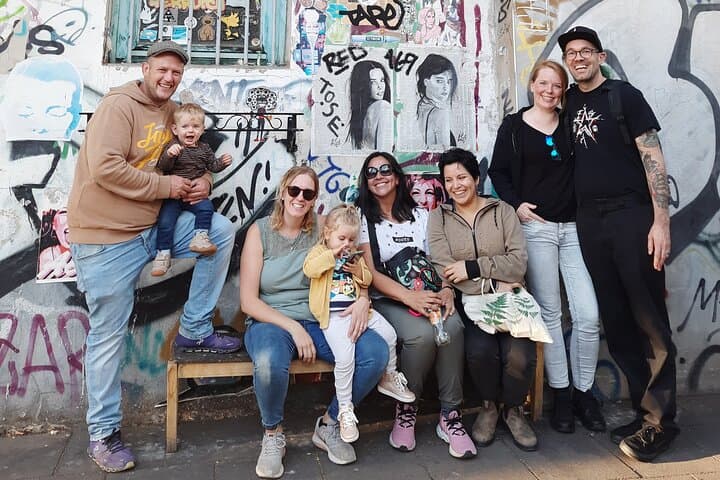
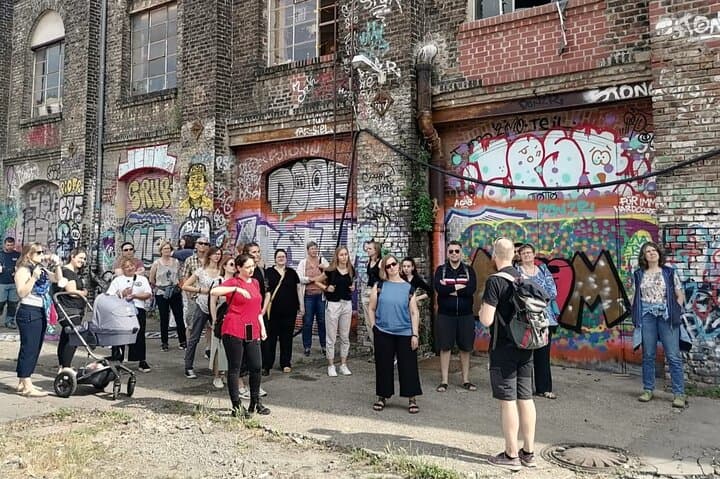
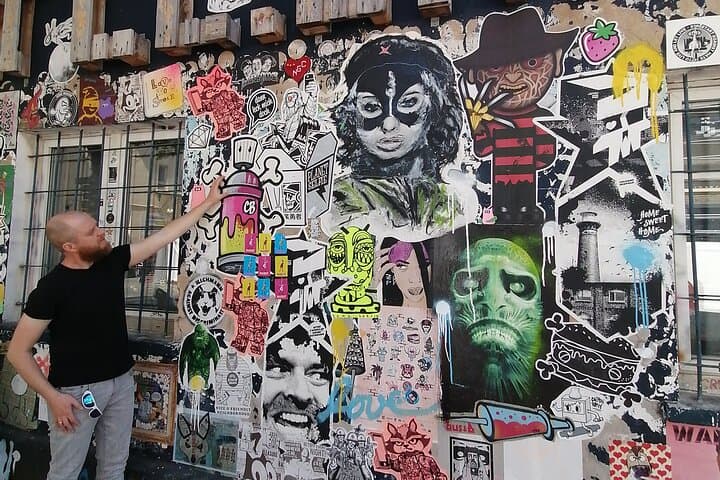
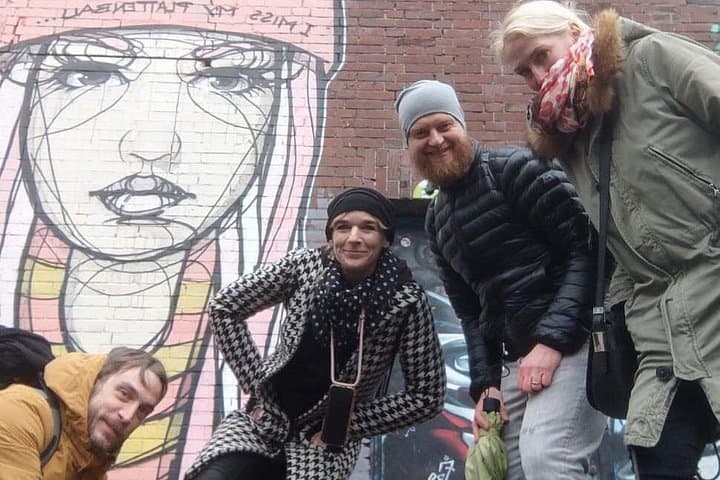
You step off Venloer Straße into an alley where color has decided to stay. Concrete faces a riot of paint; spray-can lines argue with stenciled shapes. Guides lead small groups through Ehrenfeld’s mapped chaos, stopping where murals demand a closer look and where an artist’s anecdote rearranges the history of a wall.
You step off Venloer Straße into an alley where color has decided to stay. Concrete faces a riot of paint; spray-can lines argue with stenciled shapes. Guides lead small groups through Ehrenfeld’s mapped chaos, stopping where murals demand a closer look and where an artist’s anecdote rearranges the history of a wall.
Ehrenfeld grew from 19th-century industry into a post-war working-class quarter; its rough masonry and former factory façades now host large-scale murals and guerrilla pieces. The neighborhood’s geology is urban—brick, concrete, tile—surfaces that take paint and weather it into layers of stories. Culturally, Ehrenfeld is known for DIY venues like Odonien, a metal-sculpture playground and event space where street art and performance meet.
Expect an insider perspective: guides who know artists by name, point out recurring motifs, and explain the politics behind commissions and illegal pieces. You’ll learn how gentrification, community projects, and local clubs shape the street-art scene and where to photograph large murals without blocking traffic.
Practical guidance: tours last about two hours on mostly flat pavement; wear comfortable shoes and bring a charged camera. Respect private property and ask before photographing people or active works. Tours run year-round—rain can amplify colors, but bring a packable rain jacket. Small-group size keeps the walk conversational and nimble, letting you pause, sketch, or try a supervised tagging exercise that gives hands-on context to what you’ve seen. Ehrenfeld’s walls aren’t passive backgrounds; they challenge, comment, and invite you to look twice.