THE ADVENTURE COLLECTIVE® · Independent discovery and booking for outdoor travel

A 10-day, guided circuit from Cairo to Abu Simbel that combines the Giza pyramids, Luxor’s temples and a multi-night Nile cruise. Expect daily walking at ancient sites, domestic flights, and immersive archaeological highlights with expert Egyptologist guides.
A 10-day, guided circuit from Cairo to Abu Simbel that combines the Giza pyramids, Luxor’s temples and a multi-night Nile cruise. Expect daily walking at ancient sites, domestic flights, and immersive archaeological highlights with expert Egyptologist guides.
Morning light skims the limestone faces of the Great Pyramid as a guide points out quarry marks and worker passages. Travelers step from air-conditioned vehicles into wind-stirred dust, a landscape of stone and river where history still feels tactile: the Sphinx's gaze, the hypostyle halls of Karnak, and Abu Simbel’s colossal façade carved into Nubian rock.
Verified experiences and guided adventures in the surrounding area.
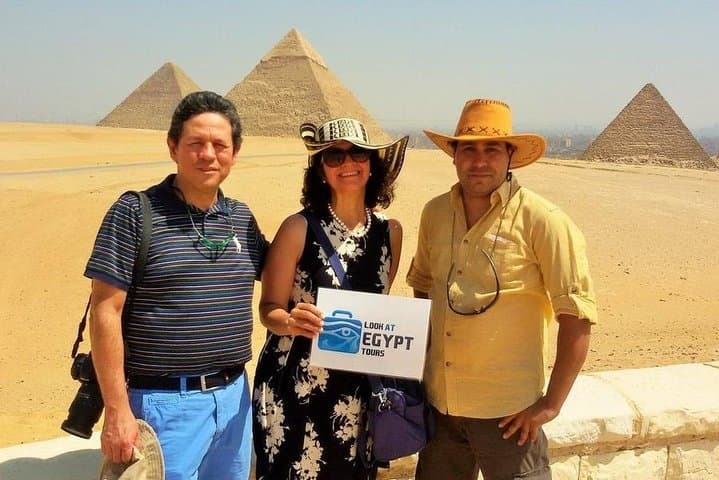
Operated by Look at Egypt Tours · Cairo, Cairo Governorate
Morning light skims the limestone faces of the Great Pyramid as a guide points out quarry marks and worker passages. Travelers step from air-conditioned vehicles into wind-stirred dust, a landscape of stone and river where history still feels tactile: the Sphinx's gaze, the hypostyle halls of Karnak, and Abu Simbel’s colossal façade carved into Nubian rock.
This route threads Egypt’s major eras — Old Kingdom pyramids at Giza, the Step Pyramid at Saqqara, New Kingdom tombs in the Valley of the Kings, and Ptolemaic temple complexes at Edfu and Kom Ombo. Geologically the Nile’s floodplain contrasts sharply with the surrounding desert plateaus; most walking is on flat paved or packed-sand surfaces, with occasional stairs and narrow tomb passages. UNESCO’s relocation of Abu Simbel during the Aswan High Dam project is a modern chapter in the landscape’s long history.
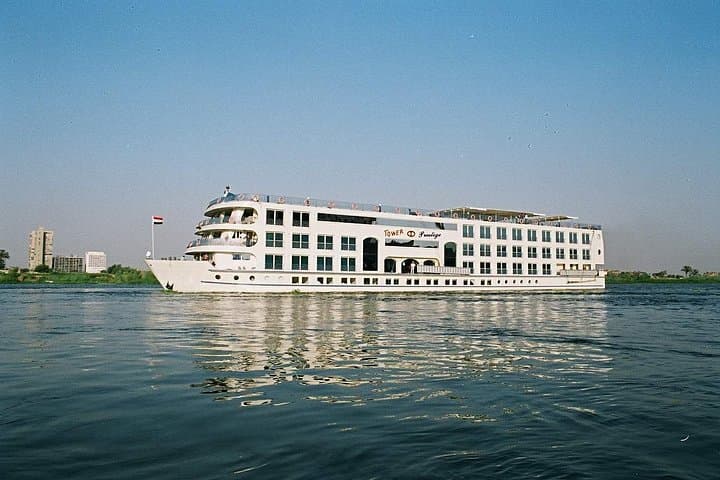
Expect active touring: daily site visits typically involve 2–4 km of walking, brief stair climbs, and exposed sun while waiting in lines. Several nights are spent aboard a full-board Nile cruise with guided shore excursions, and domestic flights link Cairo, Luxor, and Aswan. Practical preparation makes the trip smooth: layered, breathable clothing for hot days and cool evenings, sturdy walking shoes for temple steps, sun protection, and a daypack with water.
Plan morning site visits to avoid peak heat, carry local-currency cash for small purchases and tips, and respect cultural norms at religious sites. For photographers, golden-hour light at both river and desert monuments rewards early starts and late returns.
moderate.
10 days.
Should be comfortable walking 2–4 km per day, climbing short flights of stairs, and tolerating heat; no special training required.
Domestic flights between Cairo, Luxor and Aswan are normally included in the itinerary; confirm at booking and keep flight details handy for transfers.
Many sites allow interior access (e.g., some pyramids and valley tombs) but spaces are tight and may be subject to preservation-based closures or timed entry.
The tour covers uneven ground and stairs; while the operator lists wheelchair-accessible options, many temple interiors and tombs are not easily accessible—discuss needs before booking.
Tipping (baksheesh) is customary for guides, drivers, and service staff; modest cash tips per day or per service are appreciated and expected in many situations.
The route traces Egypt’s major dynastic centers from the Old Kingdom pyramids through New Kingdom royal tombs to Ptolemaic and Roman-era temple complexes; Abu Simbel was relocated in the 1960s to save it from Lake Nasser.
Many monuments are sensitive to humidity, touch and flash photography; follow guide instructions, avoid touching reliefs, and support conservation by using licensed guides and licensed boat operators.
Look at Egypt Tours operates guided outdoor trips and adventures with an emphasis on safety, stewardship, and memorable experiences.
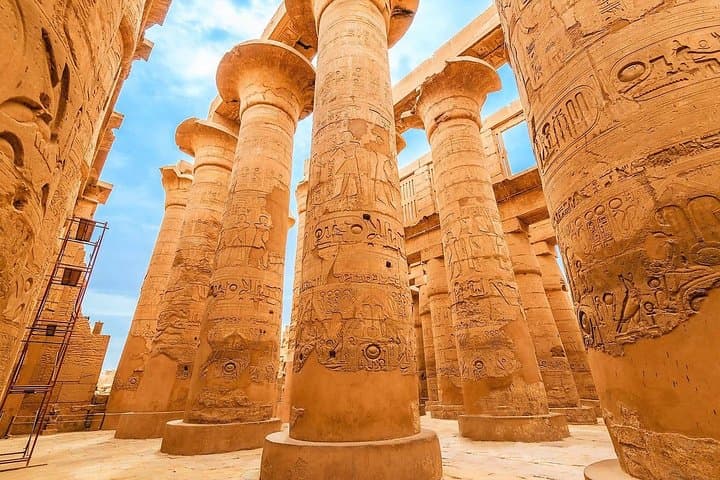
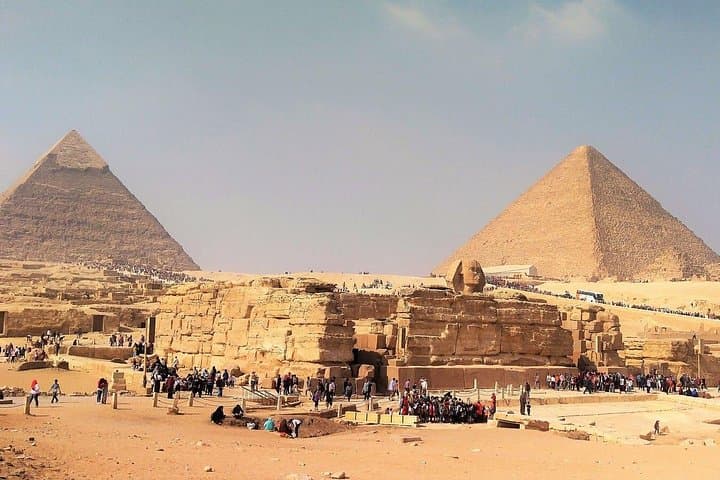
Morning light skims the limestone faces of the Great Pyramid as a guide points out quarry marks and worker passages. Travelers step from air-conditioned vehicles into wind-stirred dust, a landscape of stone and river where history still feels tactile: the Sphinx's gaze, the hypostyle halls of Karnak, and Abu Simbel’s colossal façade carved into Nubian rock.
Morning light skims the limestone faces of the Great Pyramid as a guide points out quarry marks and worker passages. Travelers step from air-conditioned vehicles into wind-stirred dust, a landscape of stone and river where history still feels tactile: the Sphinx's gaze, the hypostyle halls of Karnak, and Abu Simbel’s colossal façade carved into Nubian rock.
This route threads Egypt’s major eras — Old Kingdom pyramids at Giza, the Step Pyramid at Saqqara, New Kingdom tombs in the Valley of the Kings, and Ptolemaic temple complexes at Edfu and Kom Ombo. Geologically the Nile’s floodplain contrasts sharply with the surrounding desert plateaus; most walking is on flat paved or packed-sand surfaces, with occasional stairs and narrow tomb passages. UNESCO’s relocation of Abu Simbel during the Aswan High Dam project is a modern chapter in the landscape’s long history.
Expect active touring: daily site visits typically involve 2–4 km of walking, brief stair climbs, and exposed sun while waiting in lines. Several nights are spent aboard a full-board Nile cruise with guided shore excursions, and domestic flights link Cairo, Luxor, and Aswan. Practical preparation makes the trip smooth: layered, breathable clothing for hot days and cool evenings, sturdy walking shoes for temple steps, sun protection, and a daypack with water.
Plan morning site visits to avoid peak heat, carry local-currency cash for small purchases and tips, and respect cultural norms at religious sites. For photographers, golden-hour light at both river and desert monuments rewards early starts and late returns.