THE ADVENTURE COLLECTIVE® · Independent discovery and booking for outdoor travel

Trace pharaonic Egypt from Cairo’s pyramids to Abu Simbel’s colossal faces on a 10-day private tour and luxury Nile cruise. This itinerary pairs major monuments with quieter necropolises and expert guiding to bring ancient stories to life.
Trace pharaonic Egypt from Cairo’s pyramids to Abu Simbel’s colossal faces on a 10-day private tour and luxury Nile cruise. This itinerary pairs major monuments with quieter necropolises and expert guiding to bring ancient stories to life.
The Nile slips past the cruise deck like a long, patient story; palm fronds lean in to listen and the limestone cliffs of Upper Egypt stand ready to reveal their carved faces.
Verified experiences and guided adventures in the surrounding area.
Operated by Travabia Travel · Cairo, Cairo Governorate
The Nile slips past the cruise deck like a long, patient story; palm fronds lean in to listen and the limestone cliffs of Upper Egypt stand ready to reveal their carved faces.
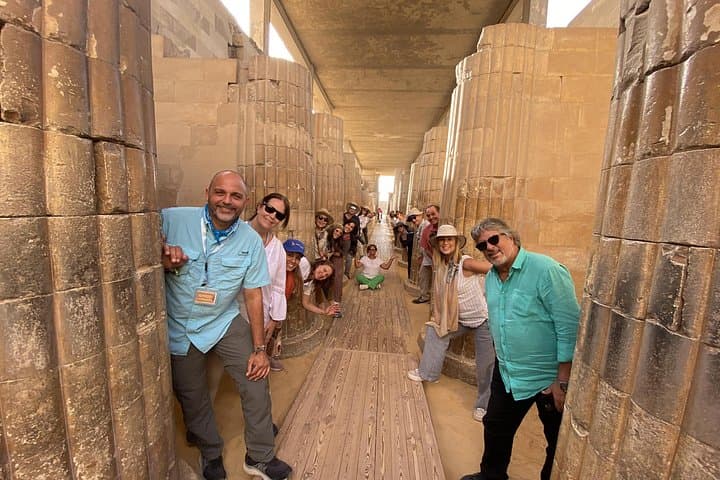
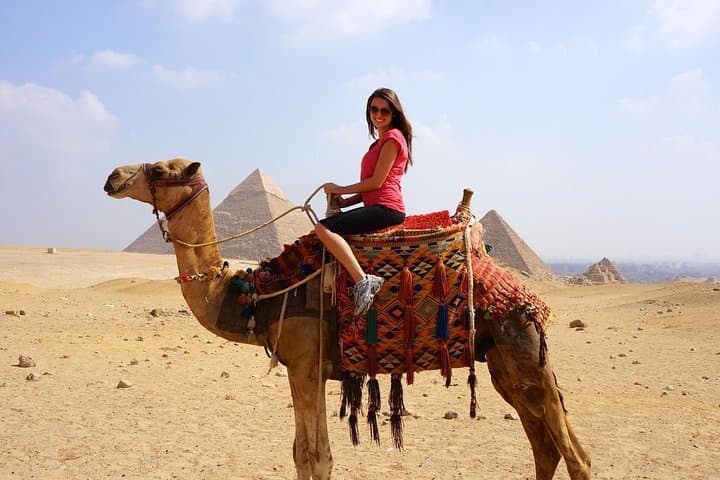
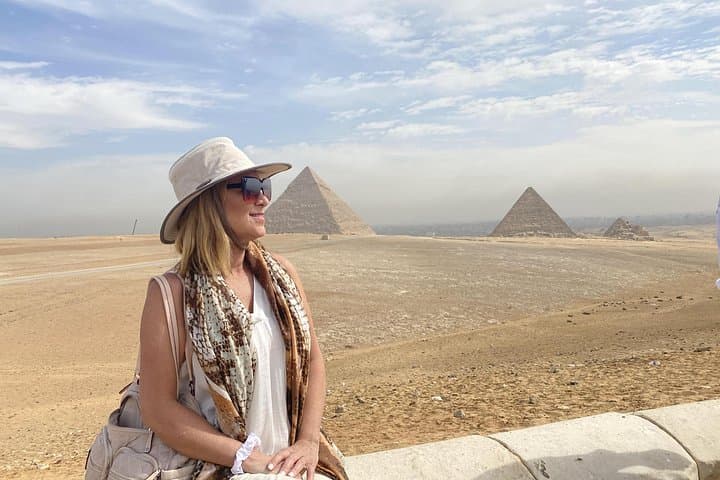
Begin in Cairo amid the layered chaos of bazaars and the hush of mosque courtyards. Here the Giza plateau commands the skyline—stone pyramids rising from desert bedrock that was once shoreline and reef. Travel south to Saqqara and Dahshur to see earlier experiments in tomb architecture, then fly to Luxor where the Nile narrows and temples like Karnak and Luxor lay out colonnades that still catch the light like an offering.
Geology and history meet on the river: the Nile’s annual floods once deposited the silt that made Egyptian civilization possible, and later pharaonic, Ptolemaic and Roman builders left layers of monuments—Hatshepsut’s funerary terraces carved into desert cliffs, the rock-cut grandeur of Abu Simbel moved stone-by-stone in the 20th century.
Expect full-board comfort aboard a luxury Nile cruiser, guided walks through tombs and temples, and private transfers with an Egyptologist narrating centuries of conquest and devotion.
Practical guide: pace your days—mornings are for major sites when light and crowds are best; bring breathable, modest clothing for religious sites; carry cash for tips, small purchases and local guides; hydrate constantly in the dry heat. Sun, sand and history are constant companions—prepare to walk uneven stone, climb temple steps and stand in open, sunlit plazas.
moderate.
10 days.
Moderate fitness; participants should be comfortable walking 2–4 miles a day on uneven surfaces and climbing temple steps.
Most major site admissions listed in the itinerary are included; verify specific tomb entries (like certain Valley of the Kings tombs) as some incur extra fees.
Many nationalities require a visa for Egypt; check current embassy guidance and ensure your passport has at least six months validity.
Daily excursions involve moderate walking on uneven terrain and climbing steps—comfortable footwear and a reasonable fitness level are recommended.
This package includes a qualified Egyptologist who typically speaks English; request other languages at booking if needed.
This route stitches Old Kingdom pyramids, New Kingdom tombs and Ptolemaic temples into one narrative—Abu Simbel’s relocation in the 1960s is a modern milestone in heritage preservation.
UNESCO and Egyptian authorities manage many sites to limit wear; visitors should avoid touching reliefs, stay on marked paths and limit flash photography where requested.
Travabia Travel operates guided outdoor trips and adventures with an emphasis on safety, stewardship, and memorable experiences.
The Nile slips past the cruise deck like a long, patient story; palm fronds lean in to listen and the limestone cliffs of Upper Egypt stand ready to reveal their carved faces.
The Nile slips past the cruise deck like a long, patient story; palm fronds lean in to listen and the limestone cliffs of Upper Egypt stand ready to reveal their carved faces.
Begin in Cairo amid the layered chaos of bazaars and the hush of mosque courtyards. Here the Giza plateau commands the skyline—stone pyramids rising from desert bedrock that was once shoreline and reef. Travel south to Saqqara and Dahshur to see earlier experiments in tomb architecture, then fly to Luxor where the Nile narrows and temples like Karnak and Luxor lay out colonnades that still catch the light like an offering.
Geology and history meet on the river: the Nile’s annual floods once deposited the silt that made Egyptian civilization possible, and later pharaonic, Ptolemaic and Roman builders left layers of monuments—Hatshepsut’s funerary terraces carved into desert cliffs, the rock-cut grandeur of Abu Simbel moved stone-by-stone in the 20th century.
Expect full-board comfort aboard a luxury Nile cruiser, guided walks through tombs and temples, and private transfers with an Egyptologist narrating centuries of conquest and devotion.
Practical guide: pace your days—mornings are for major sites when light and crowds are best; bring breathable, modest clothing for religious sites; carry cash for tips, small purchases and local guides; hydrate constantly in the dry heat. Sun, sand and history are constant companions—prepare to walk uneven stone, climb temple steps and stand in open, sunlit plazas.