THE ADVENTURE COLLECTIVE® · Independent discovery and booking for outdoor travel

Escape Cairo for a brisk half-day at the Egyptian Green Farm—breakfast among vegetable beds, hands-on farming insight, and a close look at sustainable agriculture on Giza’s alluvial plains. Ideal for curious travelers who want fresh air and local flavor without a long trek.
Escape Cairo for a brisk half-day at the Egyptian Green Farm—breakfast among vegetable beds, hands-on farming insight, and a close look at sustainable agriculture on Giza’s alluvial plains. Ideal for curious travelers who want fresh air and local flavor without a long trek.
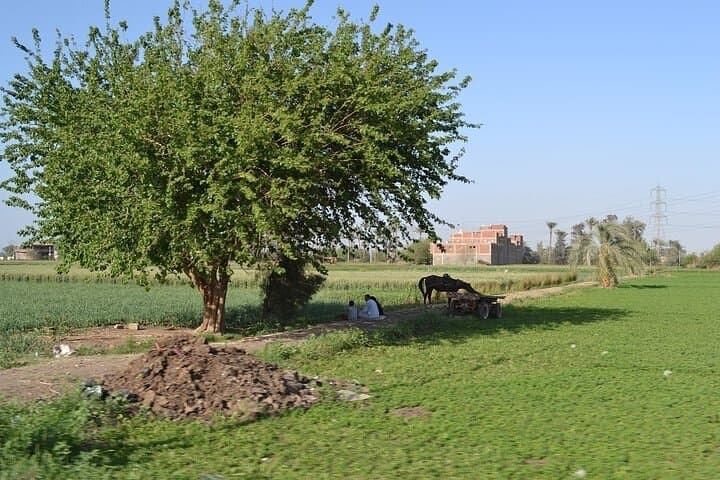
Sunrise pulls Cairo awake, and an early transfer threads the highway west toward Giza's fringe, where fields push green against the desert. Guests step out into morning coolness, steam rising from fresh bread and mint tea, while rows of vegetables and citrus stand like ordered waves. The farm's paths are simple dirt tracks; birds call from irrigation ditches that temper the heat.
Verified experiences and guided adventures in the surrounding area.
Operated by Book My Egypt Tours · Giza, Giza Governorate
Sunrise pulls Cairo awake, and an early transfer threads the highway west toward Giza's fringe, where fields push green against the desert. Guests step out into morning coolness, steam rising from fresh bread and mint tea, while rows of vegetables and citrus stand like ordered waves. The farm's paths are simple dirt tracks; birds call from irrigation ditches that temper the heat.
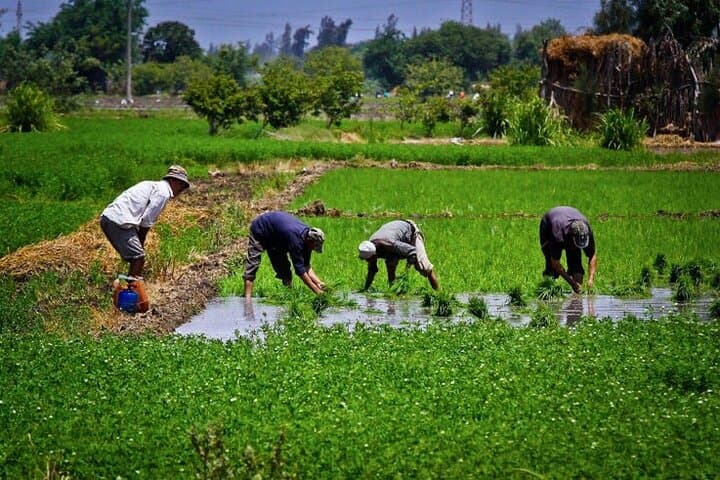
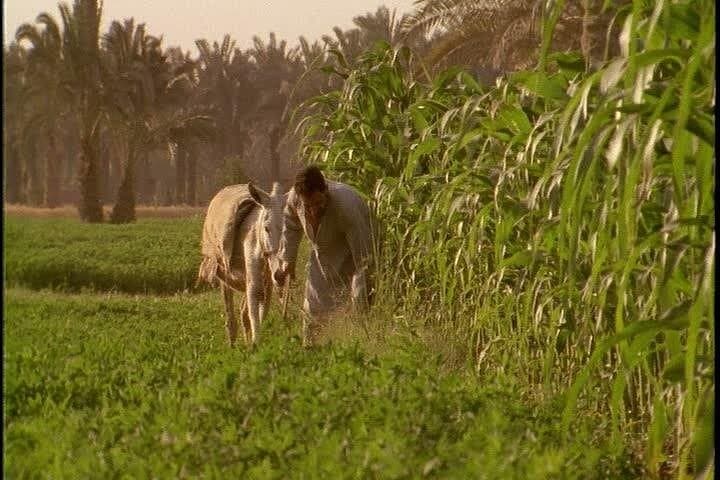
This patch of cultivated land sits on the alluvial plains fed by the Nile’s long reach—soil built over millennia of silt, kept alive by dug canals and seasonal water. The village around Shabramant carries the rhythms of rural Egypt: multi-generational farms, simple stone-lined terraces, and markets where produce is sold at sunrise. Modern sustainable practices—composting beds, drip irrigation, organic pest-control—are increasingly common here as farmers adapt to water scarcity and market demand.
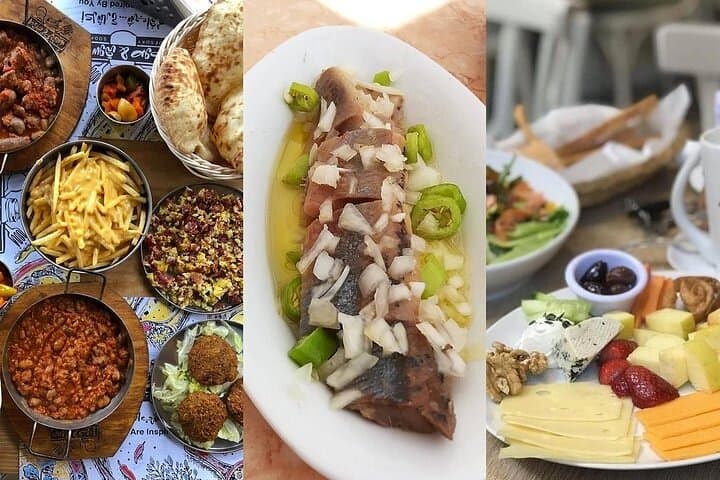
Visitors can expect a tactile, low-impact experience: guided walks between beds, a short demonstration of planting or harvesting, and a relaxed breakfast using farm ingredients. Terrain is flat but dusty; expect 1–2 miles of walking at a leisurely pace. Photography opportunities focus on close-range details—dewy leaves, irrigation channels, market stalls—rather than panoramic vistas.
Practical notes: come early to avoid midday sun, wear closed-toe shoes and a hat, and carry sunscreen and a refillable water bottle. The tour is family-friendly but not suitable for travelers with serious back or heart conditions. For curious travelers, ask about compost methods and local seed varieties—those conversations reveal how this green pocket stays productive in an arid landscape.
easy.
2–3 hours.
Suitable for most fitness levels; light walking (1–2 miles) on level terrain is required.
Yes; the half-day tour includes a farm-style breakfast prepared with local ingredients.
The farm is on the outskirts of Giza, typically a 45–60 minute drive from central Cairo depending on traffic.
Yes; the experience is family-friendly and infant seats are available in the vehicle, but supervision is required around irrigation ditches and farm equipment.
Terrain is flat but unpaved and may be uneven; this tour is not recommended for travelers with significant mobility issues or certain back and heart conditions.
This part of the Giza plain has farmed soil derived from Nile alluvium for millennia; smallholdings here reflect long-standing rural practices adapted to modern markets.
Water is the limiting resource—many farms use drip irrigation and composting to reduce waste; visitors should avoid disturbing irrigation channels and take all trash with them.
Book My Egypt Tours operates guided outdoor trips and adventures with an emphasis on safety, stewardship, and memorable experiences.
Sunrise pulls Cairo awake, and an early transfer threads the highway west toward Giza's fringe, where fields push green against the desert. Guests step out into morning coolness, steam rising from fresh bread and mint tea, while rows of vegetables and citrus stand like ordered waves. The farm's paths are simple dirt tracks; birds call from irrigation ditches that temper the heat.
Sunrise pulls Cairo awake, and an early transfer threads the highway west toward Giza's fringe, where fields push green against the desert. Guests step out into morning coolness, steam rising from fresh bread and mint tea, while rows of vegetables and citrus stand like ordered waves. The farm's paths are simple dirt tracks; birds call from irrigation ditches that temper the heat.
This patch of cultivated land sits on the alluvial plains fed by the Nile’s long reach—soil built over millennia of silt, kept alive by dug canals and seasonal water. The village around Shabramant carries the rhythms of rural Egypt: multi-generational farms, simple stone-lined terraces, and markets where produce is sold at sunrise. Modern sustainable practices—composting beds, drip irrigation, organic pest-control—are increasingly common here as farmers adapt to water scarcity and market demand.
Visitors can expect a tactile, low-impact experience: guided walks between beds, a short demonstration of planting or harvesting, and a relaxed breakfast using farm ingredients. Terrain is flat but dusty; expect 1–2 miles of walking at a leisurely pace. Photography opportunities focus on close-range details—dewy leaves, irrigation channels, market stalls—rather than panoramic vistas.
Practical notes: come early to avoid midday sun, wear closed-toe shoes and a hat, and carry sunscreen and a refillable water bottle. The tour is family-friendly but not suitable for travelers with serious back or heart conditions. For curious travelers, ask about compost methods and local seed varieties—those conversations reveal how this green pocket stays productive in an arid landscape.