THE ADVENTURE COLLECTIVE® · Independent discovery and booking for outdoor travel

A compact six-day circuit from Cairo to Luxor that pairs the Giza pyramids and Saqqara with Karnak, Luxor Temple and the Valley of the Kings—connected by an overnight train. Practical, guide-led, and rich in archaeology.
A compact six-day circuit from Cairo to Luxor that pairs the Giza pyramids and Saqqara with Karnak, Luxor Temple and the Valley of the Kings—connected by an overnight train. Practical, guide-led, and rich in archaeology.
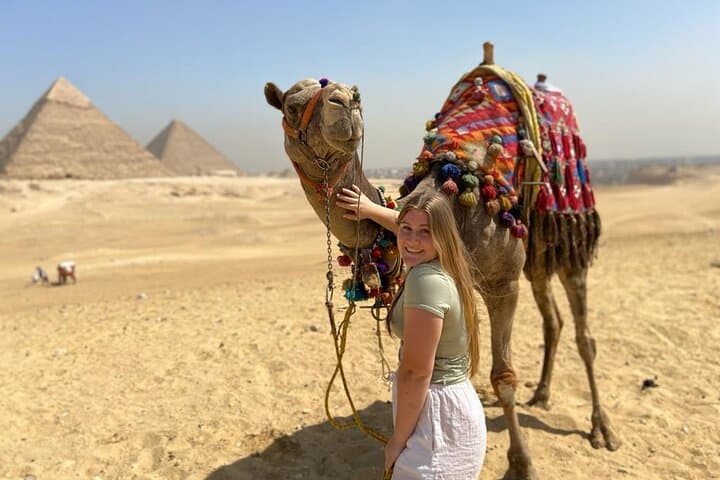
You step out onto the warm sands of the Giza Plateau at sunrise—the pyramids cut into the pale sky while the Sphinx watches, unmoved by the city’s hum. A guide unfolds stories measured in millennia as traffic and minaret calls fade; the desert seems to push you toward the stones, insisting you slow down and look.
Verified experiences and guided adventures in the surrounding area.
Operated by Egypt Best Holidays · Cairo, Cairo Governorate
You step out onto the warm sands of the Giza Plateau at sunrise—the pyramids cut into the pale sky while the Sphinx watches, unmoved by the city’s hum. A guide unfolds stories measured in millennia as traffic and minaret calls fade; the desert seems to push you toward the stones, insisting you slow down and look.
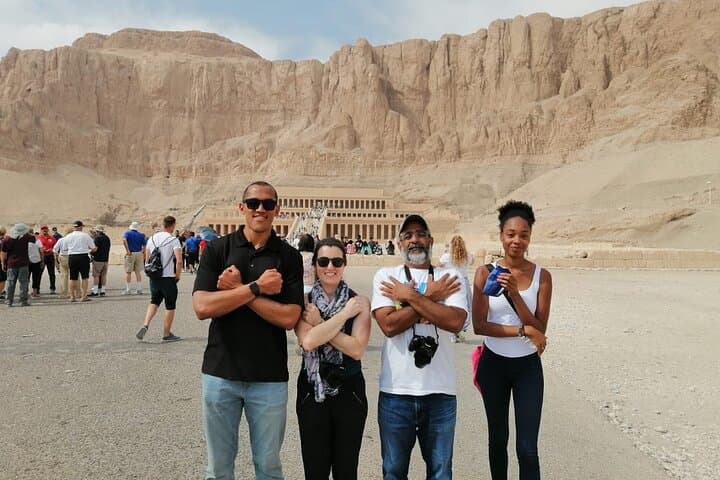
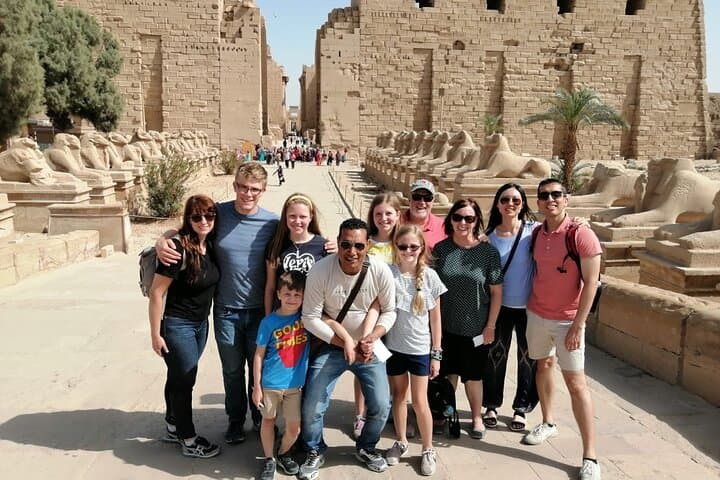
This six-day loop threads Cairo’s layered history with Luxor’s monumental Nile-side archaeology. Begin amid Old Kingdom tombs at Giza and the Step Pyramid of Djoser in Saqqara, where the evolution of stone architecture is readable in every face. In Cairo, the medieval Citadel and Coptic quarters map Islamic and Christian layers of urban life. Then the overnight seated train—an economical, characterful link—carries you south to Luxor, where the Nile’s alluvial plain allowed pharaonic cities to flourish. Karnak’s hypostyle hall and Luxor Temple reveal colossal religious practice; the West Bank’s Valley of the Kings and Hatshepsut’s mortuary temple show funerary landscape planning and the geology of soft limestone tomb-carving.
Practical guidance: schedule outdoor visits for early morning or late afternoon to avoid peak heat; bring sun protection, comfortable closed-toe shoes, and a refillable water bottle. Expect plenty of walking on uneven surfaces and short drives between sites. Trains can be simple—upgrade to a sleeper if you want privacy and rest. Respect photography rules inside sensitive tombs and follow your guide’s directions to protect fragile surfaces. Modest dress is appreciated at religious sites and local neighborhoods. This itinerary balances history, transport, and time to absorb Egypt’s living past—organized, paced, and ready to be adapted to your pace.
easy.
6 days.
Suitable for most fitness levels; involves multiple days of walking on uneven ground and short vehicle transfers
Most travelers require a visa; many nationalities can obtain an e-visa before arrival or a visa on arrival—check current Egyptian government requirements before travel.
This tour description lists guided visits and transfers but notes admissions as not included; confirm with the operator which entry tickets are covered and which are extra.
The standard seated overnight train is a practical option; sleepers can be booked as an upgrade for private cabins with beds, linen, and meals.
Tipping is customary: plan modest daily tips for guides and drivers (guided tour: small cash tips in local currency are appreciated), and follow your guide’s local tipping norms.
Cairo and Luxor bookend Egyptian civilization: Giza’s Old Kingdom funerary complexes and Luxor’s New Kingdom temples show evolving religious and royal practices across millennia.
High visitor numbers strain fragile monuments—stick to marked paths, avoid touching carvings, and use licensed guides to support site preservation.
Egypt Best Holidays operates guided outdoor trips and adventures with an emphasis on safety, stewardship, and memorable experiences.
You step out onto the warm sands of the Giza Plateau at sunrise—the pyramids cut into the pale sky while the Sphinx watches, unmoved by the city’s hum. A guide unfolds stories measured in millennia as traffic and minaret calls fade; the desert seems to push you toward the stones, insisting you slow down and look.
You step out onto the warm sands of the Giza Plateau at sunrise—the pyramids cut into the pale sky while the Sphinx watches, unmoved by the city’s hum. A guide unfolds stories measured in millennia as traffic and minaret calls fade; the desert seems to push you toward the stones, insisting you slow down and look.
This six-day loop threads Cairo’s layered history with Luxor’s monumental Nile-side archaeology. Begin amid Old Kingdom tombs at Giza and the Step Pyramid of Djoser in Saqqara, where the evolution of stone architecture is readable in every face. In Cairo, the medieval Citadel and Coptic quarters map Islamic and Christian layers of urban life. Then the overnight seated train—an economical, characterful link—carries you south to Luxor, where the Nile’s alluvial plain allowed pharaonic cities to flourish. Karnak’s hypostyle hall and Luxor Temple reveal colossal religious practice; the West Bank’s Valley of the Kings and Hatshepsut’s mortuary temple show funerary landscape planning and the geology of soft limestone tomb-carving.
Practical guidance: schedule outdoor visits for early morning or late afternoon to avoid peak heat; bring sun protection, comfortable closed-toe shoes, and a refillable water bottle. Expect plenty of walking on uneven surfaces and short drives between sites. Trains can be simple—upgrade to a sleeper if you want privacy and rest. Respect photography rules inside sensitive tombs and follow your guide’s directions to protect fragile surfaces. Modest dress is appreciated at religious sites and local neighborhoods. This itinerary balances history, transport, and time to absorb Egypt’s living past—organized, paced, and ready to be adapted to your pace.