THE ADVENTURE COLLECTIVE® · Independent discovery and booking for outdoor travel

A compact five-day loop from Cairo to Luxor via a 3-night Nile cruise, this itinerary pairs the Pyramids and Egyptian Museum with island temples, Kom Ombo, Edfu and Luxor’s ancient necropolis. Expect guided archaeology, relaxed river travel and daily shore excursions.
A compact five-day loop from Cairo to Luxor via a 3-night Nile cruise, this itinerary pairs the Pyramids and Egyptian Museum with island temples, Kom Ombo, Edfu and Luxor’s ancient necropolis. Expect guided archaeology, relaxed river travel and daily shore excursions.
Early sunlight slants across the Giza Plateau and the silhouette of the Great Pyramid sharpens against a powder-blue sky. Travelers arrive in Cairo for a quick, concentrated immersion—Giza’s stepped massifs and the Sphinx’s watchful gaze—before a domestic flight drops them into Aswan, where the Nile opens like a slow, living road.
Verified experiences and guided adventures in the surrounding area.
Operated by Luxor Travels · Cairo, Cairo Governorate
Early sunlight slants across the Giza Plateau and the silhouette of the Great Pyramid sharpens against a powder-blue sky. Travelers arrive in Cairo for a quick, concentrated immersion—Giza’s stepped massifs and the Sphinx’s watchful gaze—before a domestic flight drops them into Aswan, where the Nile opens like a slow, living road.
This five-day loop stitches together Philae’s island temple, the engineering story of the Aswan High Dam, the twin sanctuaries of Kom Ombo, and Edfu’s intact Temple of Horus, finishing with Luxor’s East and West Banks: Karnak, Valley of the Kings and the terraces of Hatshepsut. Geology and history are close companions here—the Nile’s floodplain built millennia of settlement while sandstone and limestone cliffs formed tombs and temples carved into the west bank’s ridges.
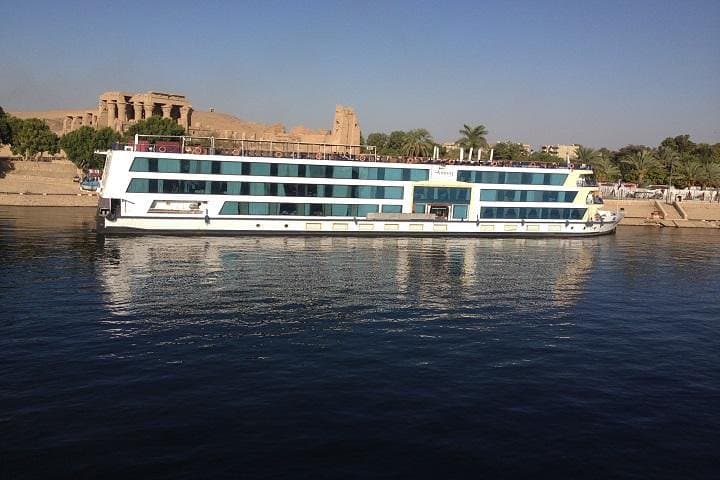
Cultural notes: expect guided Egyptologist commentary, negotiated entry lines at major sites, and modern Egyptian hospitality aboard a mid-size Nile cruiser with a sun deck and pool. The river itself has personality—its current nudges the ship along, riverbank life peeks from felucca sails and small farms.
Practical edge: travel days are long but gentle—most walking is on paved or compacted surfaces and stairs in tombs. Bring cooling layers and a hat, stay hydrated, and time major visits for morning light to avoid heat and crowds. Currency, tipping norms, and modest dress at religious sites matter; your guide will handle logistics but keep small notes for entrance fees and local vendors. This itinerary suits travelers wanting concentrated archaeology, easy-paced river travel, and the tactile immediacy of sites that shaped civilization.
easy.
5 days.
Suitable for travelers in general good health; involves moderate walking, stairs in tombs, and boarding small boats.
Most visitors require a visa; many nationalities can obtain an e-visa in advance or a visa on arrival—check current Egyptian embassy guidance before travel.
This tour states all entrance fees for the mentioned sites are included; optional extra tombs or special tickets may be at your expense.
The itinerary is designed for all fitness levels; expect short to moderate walks, steps in tombs and some periods of standing during guided commentary.
Tipping is customary for guides, drivers and boat staff; your guide will advise suggested amounts—carry small bills for this purpose.
The Nile valley supported continuous civilization for millennia; Luxor and Thebes served as religious and royal centers in the New Kingdom while Giza’s pyramids date to the Old Kingdom.
Increasing river traffic and tourism pressure require responsible behavior—avoid littering, use refillable bottles and follow site rules to protect fragile monuments.
Luxor Travels operates guided outdoor trips and adventures with an emphasis on safety, stewardship, and memorable experiences.
Early sunlight slants across the Giza Plateau and the silhouette of the Great Pyramid sharpens against a powder-blue sky. Travelers arrive in Cairo for a quick, concentrated immersion—Giza’s stepped massifs and the Sphinx’s watchful gaze—before a domestic flight drops them into Aswan, where the Nile opens like a slow, living road.
Early sunlight slants across the Giza Plateau and the silhouette of the Great Pyramid sharpens against a powder-blue sky. Travelers arrive in Cairo for a quick, concentrated immersion—Giza’s stepped massifs and the Sphinx’s watchful gaze—before a domestic flight drops them into Aswan, where the Nile opens like a slow, living road.
This five-day loop stitches together Philae’s island temple, the engineering story of the Aswan High Dam, the twin sanctuaries of Kom Ombo, and Edfu’s intact Temple of Horus, finishing with Luxor’s East and West Banks: Karnak, Valley of the Kings and the terraces of Hatshepsut. Geology and history are close companions here—the Nile’s floodplain built millennia of settlement while sandstone and limestone cliffs formed tombs and temples carved into the west bank’s ridges.
Cultural notes: expect guided Egyptologist commentary, negotiated entry lines at major sites, and modern Egyptian hospitality aboard a mid-size Nile cruiser with a sun deck and pool. The river itself has personality—its current nudges the ship along, riverbank life peeks from felucca sails and small farms.
Practical edge: travel days are long but gentle—most walking is on paved or compacted surfaces and stairs in tombs. Bring cooling layers and a hat, stay hydrated, and time major visits for morning light to avoid heat and crowds. Currency, tipping norms, and modest dress at religious sites matter; your guide will handle logistics but keep small notes for entrance fees and local vendors. This itinerary suits travelers wanting concentrated archaeology, easy-paced river travel, and the tactile immediacy of sites that shaped civilization.