THE ADVENTURE COLLECTIVE® · Independent discovery and booking for outdoor travel

A private 4-day safari from Luxor crosses Kharga, Dakhla, Farafra and Bahariya—pairing ancient necropolises with the surreal chalk sculptures of the White Desert and an overnight in a traditional Bedouin tent.
A private 4-day safari from Luxor crosses Kharga, Dakhla, Farafra and Bahariya—pairing ancient necropolises with the surreal chalk sculptures of the White Desert and an overnight in a traditional Bedouin tent.
You leave Luxor before sunrise and the Nile’s flat light gives way to a pale, endless desert—salt flats, black volcanic ridges and chalky sculptures. By dusk the White Desert’s mushroom-like chalk formations glow like a different planet while a Bedouin tent waits under a wide, star-pinned sky.
Verified experiences and guided adventures in the surrounding area.
Operated by Luxor Travels · Luxor, Luxor Governorate
You leave Luxor before sunrise and the Nile’s flat light gives way to a pale, endless desert—salt flats, black volcanic ridges and chalky sculptures. By dusk the White Desert’s mushroom-like chalk formations glow like a different planet while a Bedouin tent waits under a wide, star-pinned sky.
This private 4-day route threads Kharga, Dakhla, Farafra and Bahariya—oases that have supported travelers since Pharaonic times. Kharga’s El-Bagawat necropolis is one of the world’s oldest Christian graveyards; Dakhla preserves mudbrick settlements and Roman-era forts. Geologically the tour contrasts basalt-strewn “Black Desert” hills with wind-carved chalk in the White Desert, where simple erosion shapes dramatic silhouettes.
Local culture is direct and hospitable: guides and Bedouin hosts share tea, stories and simple camp cuisine; camels and trucks remain common transport. Expect short guided walks to viewpoints, fossil-strewn flats, and a night in a traditional Bedouin tent with a communal BBQ.
Practicalities: pack sun protection and at least 3–4 liters of water per day, plus warm layers for cold desert nights. Most travel is by air-conditioned vehicle between stops; walking is mostly easy but on loose sand and uneven rock. A valid passport is required; accommodations include three hotel nights and one desert camp night. Best travel windows are autumn to spring when heat is milder. Leave no trace—don’t remove fossils or disturb fragile formations—and follow your guide’s instructions in remote terrain.
easy.
4 days, 3 nights.
Suitable for most fitness levels; expect short walks on sand and uneven rock and long vehicle transfers
The trip is rated easy—most travel is by vehicle with short walks on sand and rock; basic mobility is sufficient.
The overnight camp includes traditional tents with sleeping mats and a BBQ dinner; nights are rustic but safe—bring a warm sleeping layer.
A valid passport is required at booking and travel; check Egypt’s visa rules for your nationality before arrival.
Meals listed in the itinerary are included (breakfast, lunch, dinner); guides typically provide potable water—carry additional water for long daytime stretches.
Oases in Egypt were crossroads for trade and cultivation for millennia; Kharga’s El-Bagawat dates to early Christian communities and shows funerary architecture.
The White and Black Deserts are ecologically fragile—stick to vehicle tracks, avoid collecting geological specimens, and minimize campfire impact to preserve formations.
Luxor Travels operates guided outdoor trips and adventures with an emphasis on safety, stewardship, and memorable experiences.
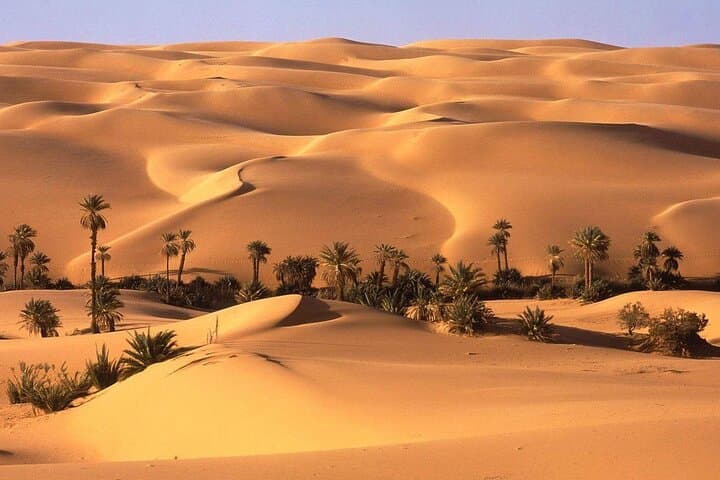
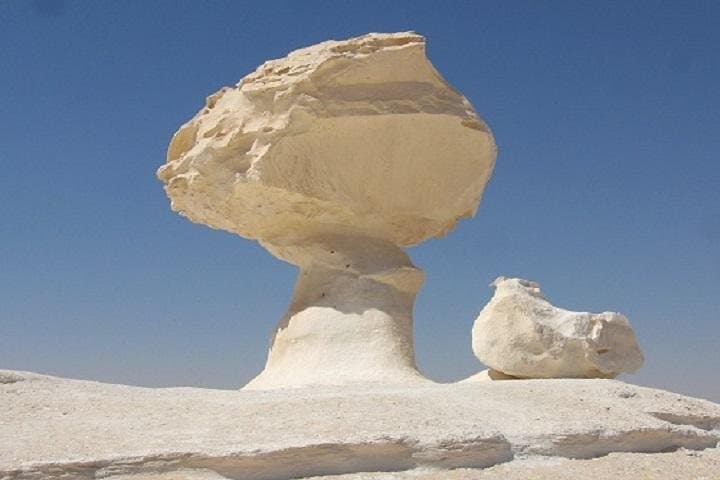
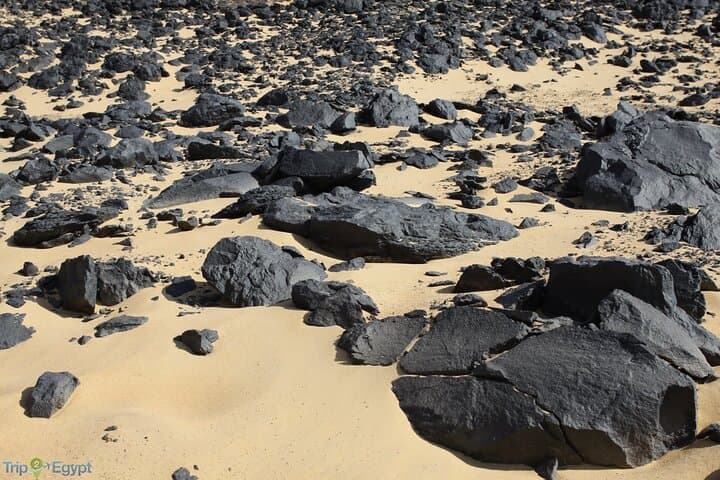
You leave Luxor before sunrise and the Nile’s flat light gives way to a pale, endless desert—salt flats, black volcanic ridges and chalky sculptures. By dusk the White Desert’s mushroom-like chalk formations glow like a different planet while a Bedouin tent waits under a wide, star-pinned sky.
You leave Luxor before sunrise and the Nile’s flat light gives way to a pale, endless desert—salt flats, black volcanic ridges and chalky sculptures. By dusk the White Desert’s mushroom-like chalk formations glow like a different planet while a Bedouin tent waits under a wide, star-pinned sky.
This private 4-day route threads Kharga, Dakhla, Farafra and Bahariya—oases that have supported travelers since Pharaonic times. Kharga’s El-Bagawat necropolis is one of the world’s oldest Christian graveyards; Dakhla preserves mudbrick settlements and Roman-era forts. Geologically the tour contrasts basalt-strewn “Black Desert” hills with wind-carved chalk in the White Desert, where simple erosion shapes dramatic silhouettes.
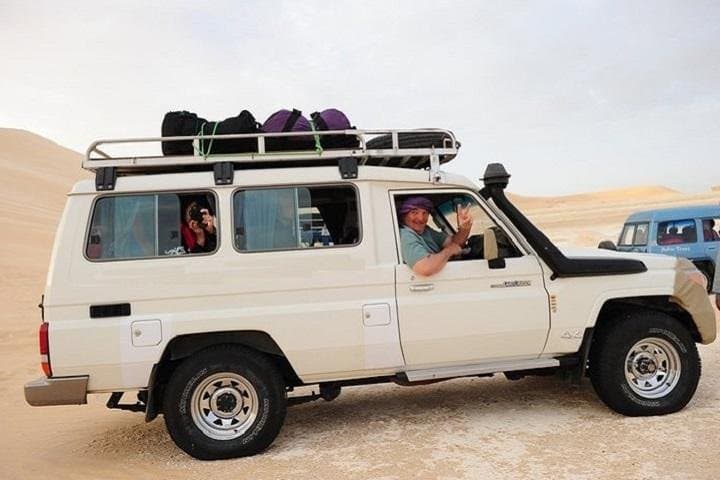
Local culture is direct and hospitable: guides and Bedouin hosts share tea, stories and simple camp cuisine; camels and trucks remain common transport. Expect short guided walks to viewpoints, fossil-strewn flats, and a night in a traditional Bedouin tent with a communal BBQ.
Practicalities: pack sun protection and at least 3–4 liters of water per day, plus warm layers for cold desert nights. Most travel is by air-conditioned vehicle between stops; walking is mostly easy but on loose sand and uneven rock. A valid passport is required; accommodations include three hotel nights and one desert camp night. Best travel windows are autumn to spring when heat is milder. Leave no trace—don’t remove fossils or disturb fragile formations—and follow your guide’s instructions in remote terrain.