THE ADVENTURE COLLECTIVE® · Independent discovery and booking for outdoor travel

A 12‑day private tour that moves from Cairo’s pyramids to Luxor’s royal tombs and Aswan’s island temples, balanced with Red Sea beach time. Expect guided history, long days on foot, and a Nile cruise linking the major archaeological sites.
A 12‑day private tour that moves from Cairo’s pyramids to Luxor’s royal tombs and Aswan’s island temples, balanced with Red Sea beach time. Expect guided history, long days on foot, and a Nile cruise linking the major archaeological sites.
You arrive in Cairo as the city exhales heat and traffic, then slip into the calm of a hotel by the Nile. From the plateau at Giza the pyramids rise like worked rock memories; on the river the Nile pushes you forward toward temples that keep time in stone.
Verified experiences and guided adventures in the surrounding area.
Operated by Your Egypt Tours · Cairo, Cairo Governorate
You arrive in Cairo as the city exhales heat and traffic, then slip into the calm of a hotel by the Nile. From the plateau at Giza the pyramids rise like worked rock memories; on the river the Nile pushes you forward toward temples that keep time in stone.
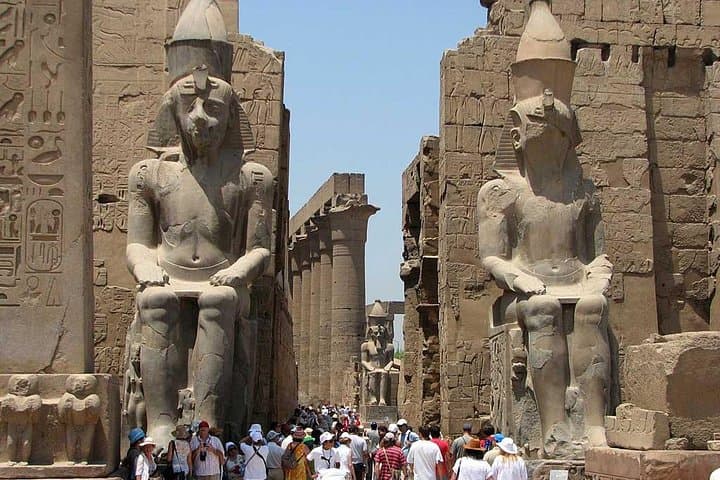
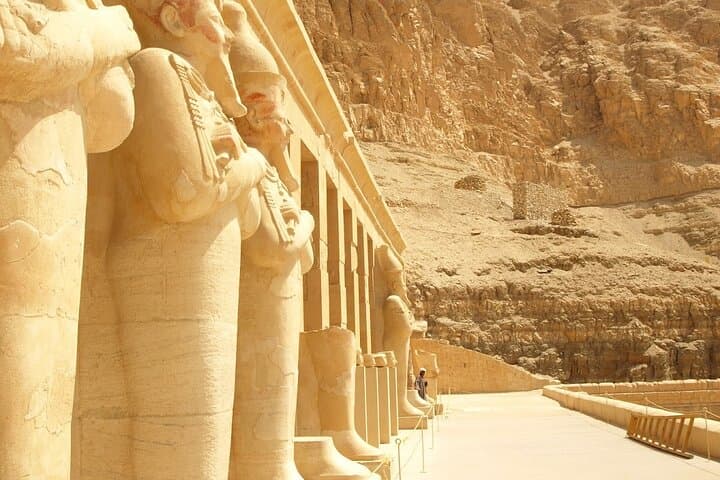
This itinerary threads pharaonic high points—Giza, the Valley of the Kings, Karnak—and the Nile-centered culture of Luxor and Aswan. Geology here is visible in the building blocks: sandstone and limestone quarried and sculpted for millennia, while the Nile’s annual rhythms once dictated agriculture and settlement patterns. The tour touches periods from Old Kingdom mastabas through New Kingdom tomb painting to Greco‑Roman temple additions; UNESCO-led relocations, like Philae’s rescue from rising waters, are modern chapters in the same story.
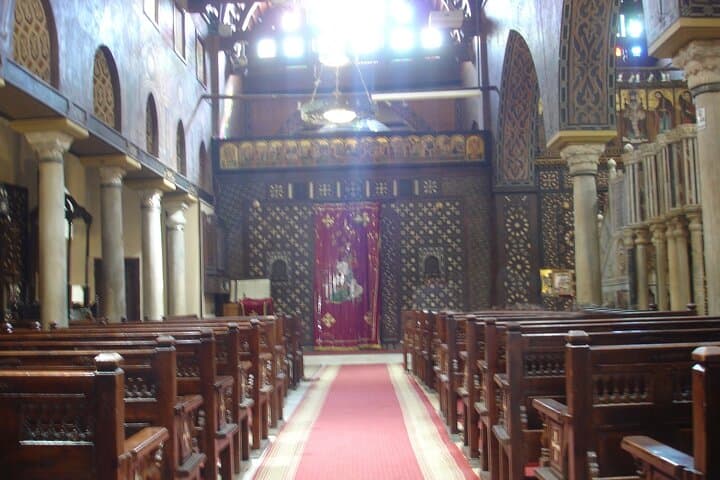
Local life moves between markets and feluccas; expect Arabic coffee stalls, guide-led explanations of hieroglyphics, and the layered influences of Coptic, Islamic and pharaonic heritage in Cairo’s alleys.
Practical guidance: plan for long days on foot and many stairs in tombs and temples; humidity falls away once you reach desert roads. Carry reef‑safe sunscreen for Hurghada’s coral, and bring cash for tips and small purchases—card acceptance can be limited in smaller sites. Comfortable walking shoes, a sun hat, and a reusable water bottle will keep you moving.
This is a trip for travelers who want history read at human scale: stone reliefs, dusty desert approaches, and a Nile that keeps daring you to look downstream for the next temple.
moderate.
12 days.
Moderate fitness—able to walk on uneven ground, climb stairs, and endure long touring days
Many nationalities need a visa on arrival or an e‑visa; check the Egyptian government site well before travel and carry a printed copy if required.
This itinerary includes a cruise segment between Upper Egypt stops—confirm cabin type and exact nights with the operator at booking.
Major sites offer limited accessibility; many have uneven terrain and steps—travelers with mobility issues should discuss alternatives with the operator beforehand.
Routine vaccinations are advised; also ensure tetanus and consult a travel clinic about hepatitis A and typhoid; drink bottled water and avoid ice when uncertain.
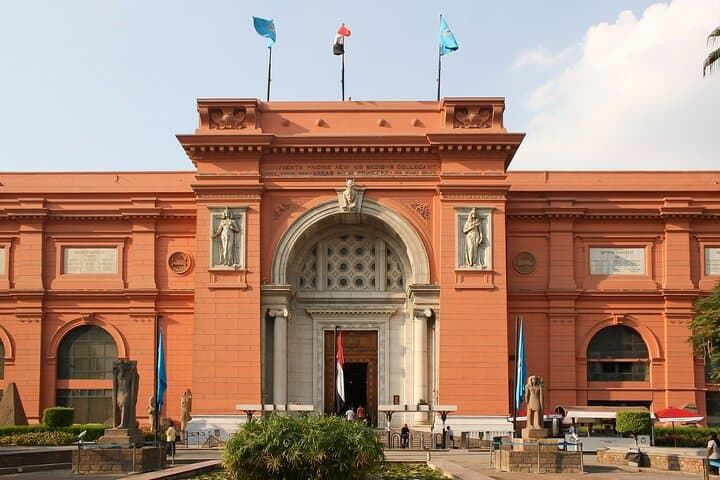
This route traces capitals and cult centers across millennia—Cairo’s museum holdings and Luxor’s temple complexes reflect continuous religious and administrative evolution from pharaonic to Greco‑Roman eras.
Tourism pressures and development threaten fragile tomb pigments and Red Sea reefs; use reef‑safe products, follow site rules, and avoid touching ancient reliefs.
Your Egypt Tours operates guided outdoor trips and adventures with an emphasis on safety, stewardship, and memorable experiences.
You arrive in Cairo as the city exhales heat and traffic, then slip into the calm of a hotel by the Nile. From the plateau at Giza the pyramids rise like worked rock memories; on the river the Nile pushes you forward toward temples that keep time in stone.
You arrive in Cairo as the city exhales heat and traffic, then slip into the calm of a hotel by the Nile. From the plateau at Giza the pyramids rise like worked rock memories; on the river the Nile pushes you forward toward temples that keep time in stone.
This itinerary threads pharaonic high points—Giza, the Valley of the Kings, Karnak—and the Nile-centered culture of Luxor and Aswan. Geology here is visible in the building blocks: sandstone and limestone quarried and sculpted for millennia, while the Nile’s annual rhythms once dictated agriculture and settlement patterns. The tour touches periods from Old Kingdom mastabas through New Kingdom tomb painting to Greco‑Roman temple additions; UNESCO-led relocations, like Philae’s rescue from rising waters, are modern chapters in the same story.
Local life moves between markets and feluccas; expect Arabic coffee stalls, guide-led explanations of hieroglyphics, and the layered influences of Coptic, Islamic and pharaonic heritage in Cairo’s alleys.
Practical guidance: plan for long days on foot and many stairs in tombs and temples; humidity falls away once you reach desert roads. Carry reef‑safe sunscreen for Hurghada’s coral, and bring cash for tips and small purchases—card acceptance can be limited in smaller sites. Comfortable walking shoes, a sun hat, and a reusable water bottle will keep you moving.
This is a trip for travelers who want history read at human scale: stone reliefs, dusty desert approaches, and a Nile that keeps daring you to look downstream for the next temple.