THE ADVENTURE COLLECTIVE® · Independent discovery and booking for outdoor travel

Cover Cairo, Aswan, Luxor and the Nile on a 9-day budget itinerary that pairs sleeper trains and a three-night Nile cruise with guided visits to pyramids, temples and the Valley of the Kings. Learn what to pack, when to visit sites, and how to move between cities efficiently.
Cover Cairo, Aswan, Luxor and the Nile on a 9-day budget itinerary that pairs sleeper trains and a three-night Nile cruise with guided visits to pyramids, temples and the Valley of the Kings. Learn what to pack, when to visit sites, and how to move between cities efficiently.
You step from the Cairo airport into a humid early evening and the city presses around you — honking taxis, lamp-lit cafés, and the distant silhouettes of minarets. Within days that noise opens into quieter scales: the vast, wind-scoured sweep of the Giza plateau, the slow authority of the Nile as it carries a cruise ship past palm-lined banks, and the desert cliffs that frame Luxor's West Bank.
Verified experiences and guided adventures in the surrounding area.
Operated by Love Egypt Tours · Cairo, Cairo Governorate
You step from the Cairo airport into a humid early evening and the city presses around you — honking taxis, lamp-lit cafés, and the distant silhouettes of minarets. Within days that noise opens into quieter scales: the vast, wind-scoured sweep of the Giza plateau, the slow authority of the Nile as it carries a cruise ship past palm-lined banks, and the desert cliffs that frame Luxor's West Bank.
This budget itinerary threads Egypt’s deep history with practical transport: Cairo’s Pharaoh-era monuments and Ottoman-era streets, a sleeper train to Aswan, three nights aboard a full-board Nile cruise, and guided visits to Philae, Kom Ombo, Edfu, Karnak, and the Valley of the Kings. Geology and the river's alluvial plain shape everything here — temples sit on limestone and sandstone that erode slowly under sun and time, while the Nile’s annual floods built the cradle of agriculture and civilization.
Expect a tactile, human Egypt: bargaining in Khan el-Khalili, Coptic churches tucked between narrow lanes, and Nubian colors in Aswan. Practical notes: many sites have steep steps and uneven stone floors but no technical demands; mornings are best for photos and smaller crowds; the included sleeper train and cruise reduce daily packing and transfers. Bring breathable, modest clothing for temple visits, sturdy slip-resistant shoes, and sun protection; carry local cash for entrance fees and tips. Stay hydrated—the desert climate and long days make water essential—and plan temple visits early to avoid midday heat. With a modest budget, this route balances immersive history, river travel, and manageable logistics for travelers who want maximum experiences in nine days.
easy.
9 days.
Suitable for travelers in average fitness — expect walking on uneven stone pavements and stairs but no technical exertion.
Most nationalities require a tourist visa; check Egypt’s e-visa system or visa on arrival rules for your passport before travel.
Yes — tipping (baksheesh) is customary for guides, drivers, porters, and cruise staff; small, regular tips are appreciated and often expected.
Both are commonly used by solo travelers; stick to official platforms, lock cabin doors, and keep valuables with you or in the vessel safe.
Expect moderate walking with uneven surfaces and stairs — mobility limitations may restrict access to some tombs and upper temple levels.
The Nile Valley sustained pharaonic civilization for millennia; many temples and tombs were intentionally oriented to river and solar cycles and later re-used in Greco-Roman and Islamic periods.
Visitors should avoid touching reliefs, refrain from taking fragments, and limit plastic use; many sites enforce protective measures and visitor limits to slow erosion and preserve wall paintings.
Love Egypt Tours operates guided outdoor trips and adventures with an emphasis on safety, stewardship, and memorable experiences.
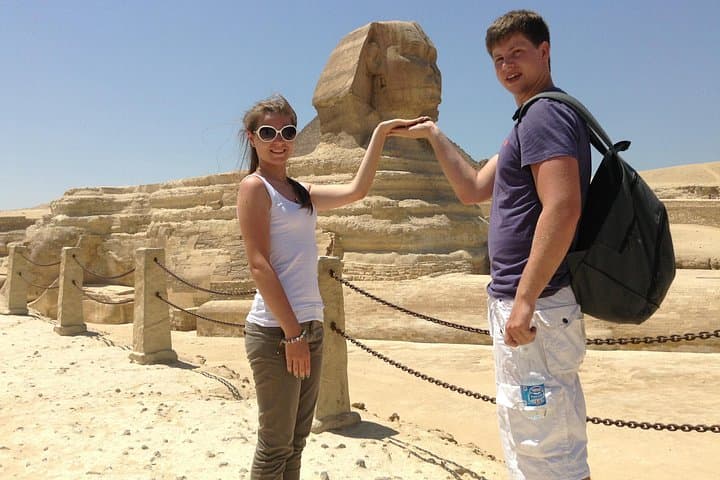
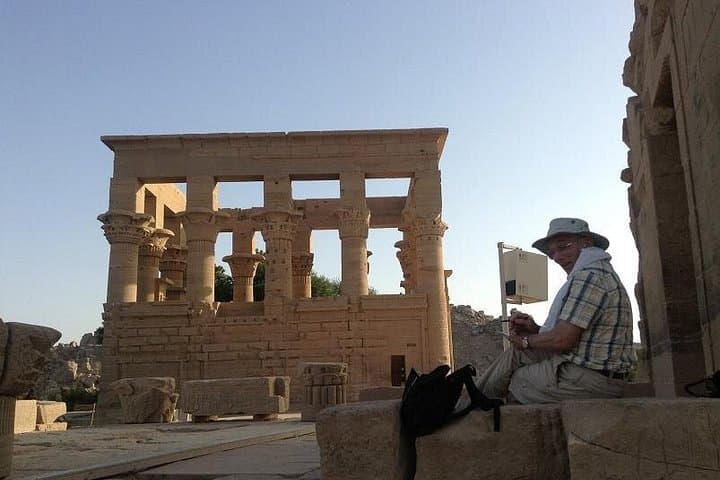
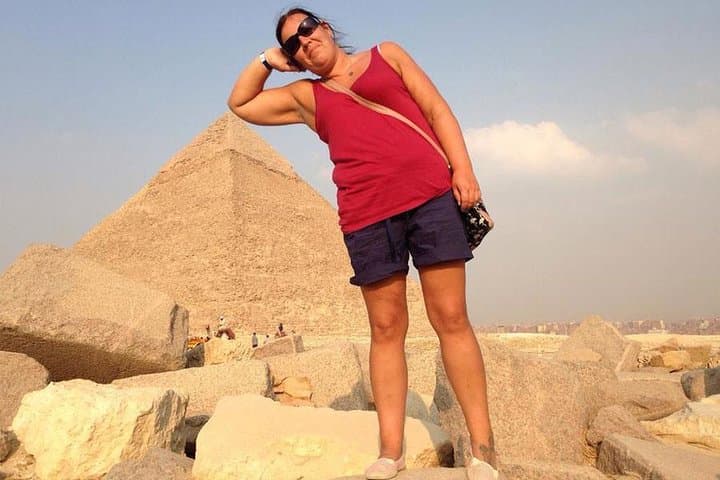

You step from the Cairo airport into a humid early evening and the city presses around you — honking taxis, lamp-lit cafés, and the distant silhouettes of minarets. Within days that noise opens into quieter scales: the vast, wind-scoured sweep of the Giza plateau, the slow authority of the Nile as it carries a cruise ship past palm-lined banks, and the desert cliffs that frame Luxor's West Bank.
You step from the Cairo airport into a humid early evening and the city presses around you — honking taxis, lamp-lit cafés, and the distant silhouettes of minarets. Within days that noise opens into quieter scales: the vast, wind-scoured sweep of the Giza plateau, the slow authority of the Nile as it carries a cruise ship past palm-lined banks, and the desert cliffs that frame Luxor's West Bank.
This budget itinerary threads Egypt’s deep history with practical transport: Cairo’s Pharaoh-era monuments and Ottoman-era streets, a sleeper train to Aswan, three nights aboard a full-board Nile cruise, and guided visits to Philae, Kom Ombo, Edfu, Karnak, and the Valley of the Kings. Geology and the river's alluvial plain shape everything here — temples sit on limestone and sandstone that erode slowly under sun and time, while the Nile’s annual floods built the cradle of agriculture and civilization.
Expect a tactile, human Egypt: bargaining in Khan el-Khalili, Coptic churches tucked between narrow lanes, and Nubian colors in Aswan. Practical notes: many sites have steep steps and uneven stone floors but no technical demands; mornings are best for photos and smaller crowds; the included sleeper train and cruise reduce daily packing and transfers. Bring breathable, modest clothing for temple visits, sturdy slip-resistant shoes, and sun protection; carry local cash for entrance fees and tips. Stay hydrated—the desert climate and long days make water essential—and plan temple visits early to avoid midday heat. With a modest budget, this route balances immersive history, river travel, and manageable logistics for travelers who want maximum experiences in nine days.