THE ADVENTURE COLLECTIVE® · Independent discovery and booking for outdoor travel

A compact, well-paced nine-day route through Egypt’s headline sites: the Pyramids, a multi-night Nile cruise, the Valley of the Kings and the relocated Abu Simbel temples. Expect archaeological depth, river-side downtime, and organized transfers between Cairo, Luxor and Aswan.
A compact, well-paced nine-day route through Egypt’s headline sites: the Pyramids, a multi-night Nile cruise, the Valley of the Kings and the relocated Abu Simbel temples. Expect archaeological depth, river-side downtime, and organized transfers between Cairo, Luxor and Aswan.
The first light over Cairo turns the Giza plateau a dry, golden workbench: dust lifts, horns murmur, and the Pyramids loom like patient machines of stone. A Cairo hotel lobby gives way to broad avenues, then to the hush of temple corridors by the Nile; over nine days the tour moves from urban sprawl to river calm and the desert’s surprising stillness.
Verified experiences and guided adventures in the surrounding area.
Operated by THINGS TO DO IN EGYPT · Cairo, Cairo Governorate
The first light over Cairo turns the Giza plateau a dry, golden workbench: dust lifts, horns murmur, and the Pyramids loom like patient machines of stone. A Cairo hotel lobby gives way to broad avenues, then to the hush of temple corridors by the Nile; over nine days the tour moves from urban sprawl to river calm and the desert’s surprising stillness.
This itinerary threads together Egypt’s major chapters — Old Kingdom tomb-building at Giza and Saqqara, New Kingdom power in Luxor and the Valley of the Kings, Hellenistic touches at Kom Ombo, and the relocated triumph of Abu Simbel beside Lake Nasser. Geology matters here: limestone and sandstone underwrite monuments and cliffs, while the Nile’s slow current has defined settlement, agriculture, and temple placement for millennia. Local life is present in markets and coffeehouses; experienced Egyptologists explain funerary beliefs, pharaonic propaganda, and the modern logistics of moving temples in the 1960s.
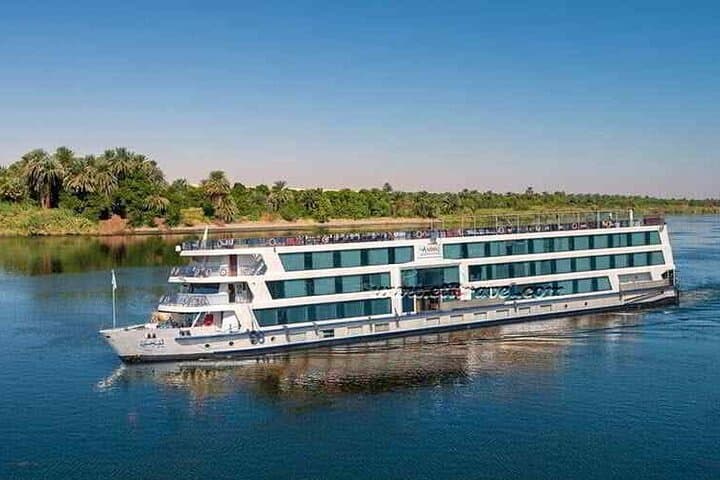
Practical guidance: pack light for internal flights and river transfers, expect uneven stone steps and heat in summer, and allow time for security checks at major sites. The Nile cruise provides daily access to temple sites with luggage handled for you; guided walks through Luxor and Aswan require comfortable walking shoes and sun protection. Hydrate between stops, carry a small daypack for cameras and water, and plan photography early or late in the day for softer light. Expect long but well-organized days — the rhythm alternates focused site visits with slower, reflective hours on deck as the river pulls you south.
easy.
9 days.
Suitable for travelers in general good health; requires walking on uneven surfaces and climbing short flights of stairs.
Yes; the itinerary includes round-trip domestic flights (Cairo–Luxor and Aswan–Cairo) as part of the package.
The tour is classified as physically easy, but many sites have uneven surfaces and stairs; wheelchair accessibility varies by site—check specific site access beforehand.
Most visitors need a visa for Egypt and should consult their government health guidance; confirm visa requirements and recommended vaccines well before travel.
The Nile cruise combines guided excursions with downtime on deck—expect full mornings and afternoons at temples plus relaxed evenings aboard the ship.
Sites span millennia: Giza’s pyramids date to the Old Kingdom (c. 2600 BCE), while Luxor and the Valley of the Kings reflect New Kingdom royal and funerary practices (c. 1550–1069 BCE).
Many temples were stabilized or relocated during 20th-century dam projects; visitors are encouraged to follow site rules, avoid touching reliefs, and use designated paths to reduce erosion and wear.
THINGS TO DO IN EGYPT operates guided outdoor trips and adventures with an emphasis on safety, stewardship, and memorable experiences.
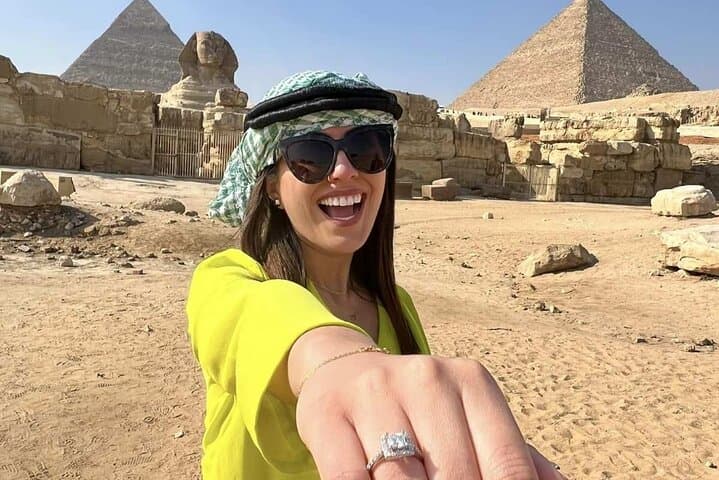
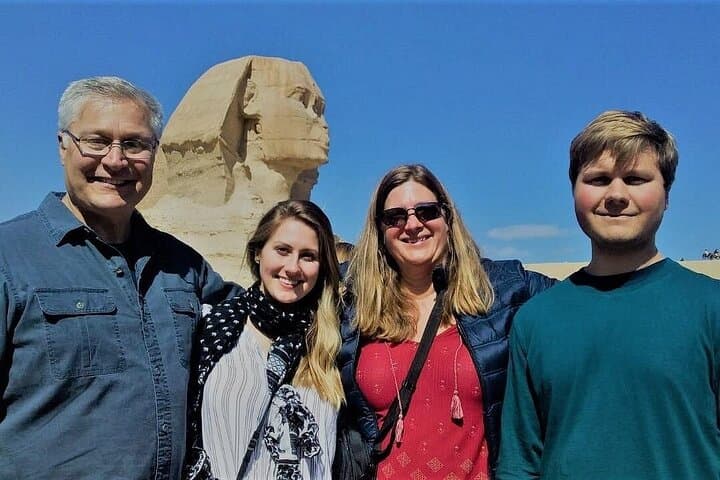
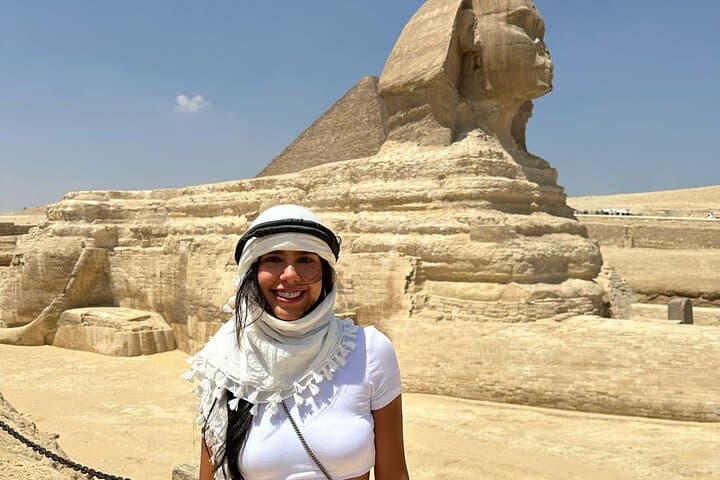
The first light over Cairo turns the Giza plateau a dry, golden workbench: dust lifts, horns murmur, and the Pyramids loom like patient machines of stone. A Cairo hotel lobby gives way to broad avenues, then to the hush of temple corridors by the Nile; over nine days the tour moves from urban sprawl to river calm and the desert’s surprising stillness.
The first light over Cairo turns the Giza plateau a dry, golden workbench: dust lifts, horns murmur, and the Pyramids loom like patient machines of stone. A Cairo hotel lobby gives way to broad avenues, then to the hush of temple corridors by the Nile; over nine days the tour moves from urban sprawl to river calm and the desert’s surprising stillness.
This itinerary threads together Egypt’s major chapters — Old Kingdom tomb-building at Giza and Saqqara, New Kingdom power in Luxor and the Valley of the Kings, Hellenistic touches at Kom Ombo, and the relocated triumph of Abu Simbel beside Lake Nasser. Geology matters here: limestone and sandstone underwrite monuments and cliffs, while the Nile’s slow current has defined settlement, agriculture, and temple placement for millennia. Local life is present in markets and coffeehouses; experienced Egyptologists explain funerary beliefs, pharaonic propaganda, and the modern logistics of moving temples in the 1960s.
Practical guidance: pack light for internal flights and river transfers, expect uneven stone steps and heat in summer, and allow time for security checks at major sites. The Nile cruise provides daily access to temple sites with luggage handled for you; guided walks through Luxor and Aswan require comfortable walking shoes and sun protection. Hydrate between stops, carry a small daypack for cameras and water, and plan photography early or late in the day for softer light. Expect long but well-organized days — the rhythm alternates focused site visits with slower, reflective hours on deck as the river pulls you south.