THE ADVENTURE COLLECTIVE® · Independent discovery and booking for outdoor travel

A compact seven-day loop through Cairo, the Nile and Luxor that pairs big-name antiquities with two nights aboard a Dahabeya. Expect early starts at temples, river sailing between Kom Ombo and Edfu, and internal flights to maximize time.
A compact seven-day loop through Cairo, the Nile and Luxor that pairs big-name antiquities with two nights aboard a Dahabeya. Expect early starts at temples, river sailing between Kom Ombo and Edfu, and internal flights to maximize time.
You step off the plane into Cairo’s heat and the city immediately sets the tempo: horns, vendors, and a patient Nile that seems to dare you to slow down. Over the next seven days the itinerary alternates between dense urban history and the river’s quieter pace—two nights aboard a traditional Dahabeya as you sail between Kom Ombo and Edfu, and guided walks through Cairo’s Giza plateau and Luxor’s temple fields.
Verified experiences and guided adventures in the surrounding area.
Operated by Oxen of Egypt Tours · Luxor, Luxor Governorate
You step off the plane into Cairo’s heat and the city immediately sets the tempo: horns, vendors, and a patient Nile that seems to dare you to slow down. Over the next seven days the itinerary alternates between dense urban history and the river’s quieter pace—two nights aboard a traditional Dahabeya as you sail between Kom Ombo and Edfu, and guided walks through Cairo’s Giza plateau and Luxor’s temple fields.
The trip threads living history: the Giza pyramids (built c. 2571 BC), the immaculate reliefs of Edfu and Kom Ombo from the Ptolemaic era, and the colossal façade of Abu Simbel carved under Ramses II. Geologically, the Nile corridor cuts through phosphatic sandstone and limestone cliffs; Gabal El Silsila’s sandstone quarries supplied blocks for pharaonic temples. Culturally, expect a mix of modern Egyptian life and ritualized temple spaces—temples moved to islands during the Aswan dam project, and villages that still work by the river.
Practical guidance: carry sunscreen, a sun hat and durable walking shoes; temple surfaces are uneven and heat can spike midday. Important documents—passport, local currency, and confirmed flights—are essential; internal flights between Cairo and Luxor/Aswan save time. On the Dahabeya, nights are calm and meals are included, but bring a light layer for breezy evenings.
Timing matters: visit temples early or late to avoid crowds and heat. Respect modest dress at religious sites, keep water handy, and leave space in your luggage for small archaeological souvenirs and strong memories.
easy.
7 days.
Suitable for travelers in average physical condition; walking on uneven ancient sites and steps required
Most nationalities require a visa; many travelers can obtain a tourist e‑visa online or a visa on arrival—check Egypt’s official entry requirements before travel.
This itinerary includes domestic flights to save time between Cairo, Luxor and Aswan; they’re recommended to keep the 7‑day schedule comfortable.
Dahabeyas have limited mobility access—be prepared for steps on and off the boat; the operator notes wheelchair accessible options in hotels but not necessarily on historic sites.
Tipping is customary in Egypt for guides, drivers and service staff; carry small notes of Egyptian pounds for daily tips.
Sites like Philae were dismantled and relocated after the Aswan dam projects; many temples visible today reflect later Ptolemaic restoration atop older pharaonic foundations.
River traffic and tourism pressure are managed locally; favor reusable water bottles, stay on marked paths at monuments and avoid touching reliefs to reduce wear.
Oxen of Egypt Tours operates guided outdoor trips and adventures with an emphasis on safety, stewardship, and memorable experiences.
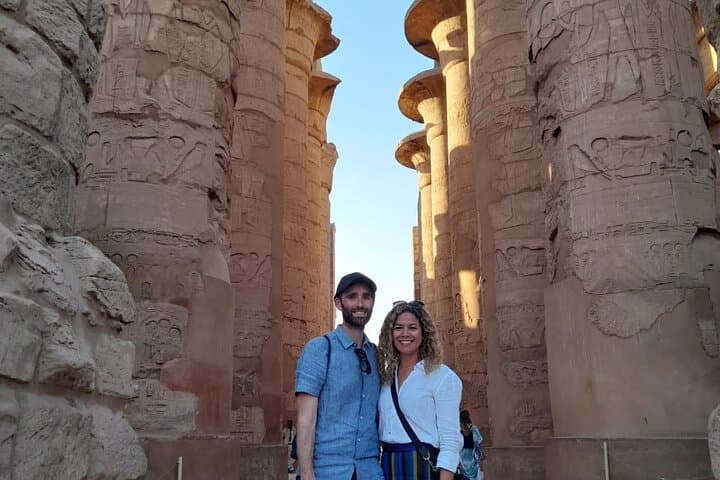
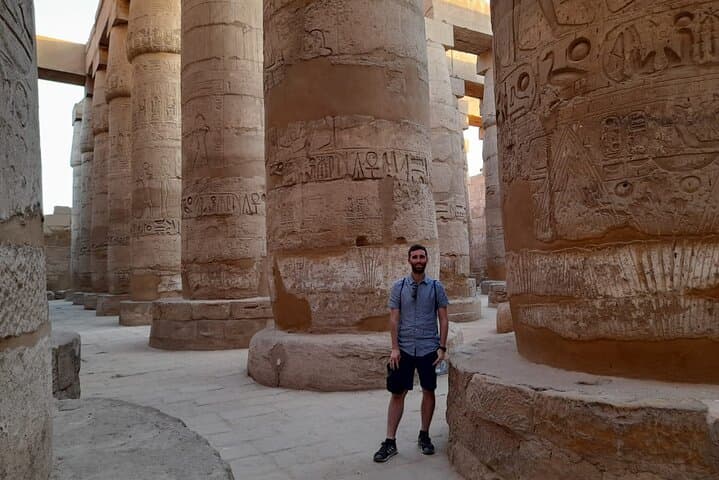
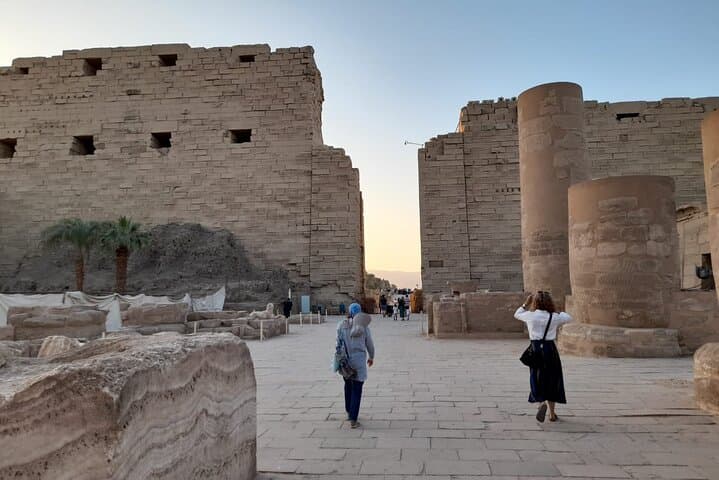
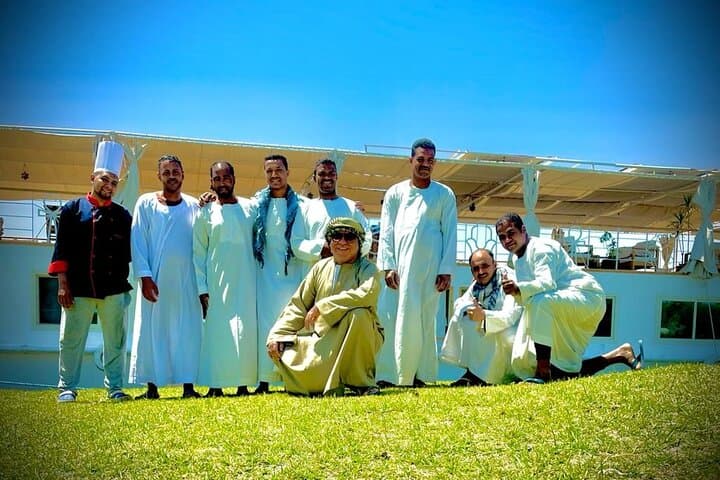
You step off the plane into Cairo’s heat and the city immediately sets the tempo: horns, vendors, and a patient Nile that seems to dare you to slow down. Over the next seven days the itinerary alternates between dense urban history and the river’s quieter pace—two nights aboard a traditional Dahabeya as you sail between Kom Ombo and Edfu, and guided walks through Cairo’s Giza plateau and Luxor’s temple fields.
You step off the plane into Cairo’s heat and the city immediately sets the tempo: horns, vendors, and a patient Nile that seems to dare you to slow down. Over the next seven days the itinerary alternates between dense urban history and the river’s quieter pace—two nights aboard a traditional Dahabeya as you sail between Kom Ombo and Edfu, and guided walks through Cairo’s Giza plateau and Luxor’s temple fields.
The trip threads living history: the Giza pyramids (built c. 2571 BC), the immaculate reliefs of Edfu and Kom Ombo from the Ptolemaic era, and the colossal façade of Abu Simbel carved under Ramses II. Geologically, the Nile corridor cuts through phosphatic sandstone and limestone cliffs; Gabal El Silsila’s sandstone quarries supplied blocks for pharaonic temples. Culturally, expect a mix of modern Egyptian life and ritualized temple spaces—temples moved to islands during the Aswan dam project, and villages that still work by the river.
Practical guidance: carry sunscreen, a sun hat and durable walking shoes; temple surfaces are uneven and heat can spike midday. Important documents—passport, local currency, and confirmed flights—are essential; internal flights between Cairo and Luxor/Aswan save time. On the Dahabeya, nights are calm and meals are included, but bring a light layer for breezy evenings.
Timing matters: visit temples early or late to avoid crowds and heat. Respect modest dress at religious sites, keep water handy, and leave space in your luggage for small archaeological souvenirs and strong memories.