THE ADVENTURE COLLECTIVE® · Independent discovery and booking for outdoor travel

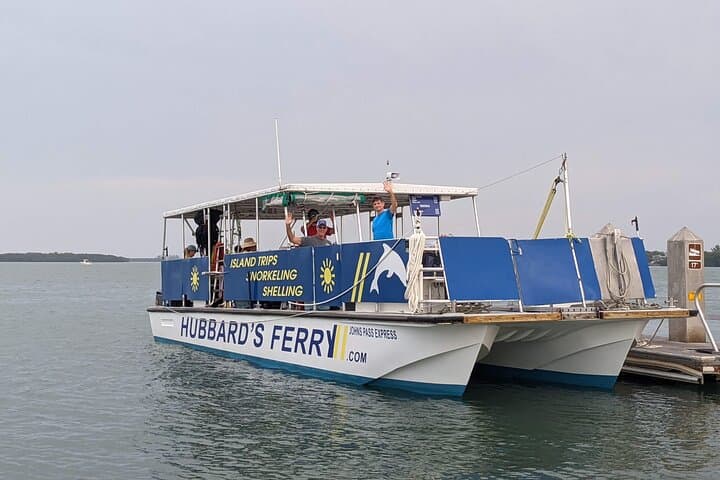
Catch the Hubbard’s Ferry from Fort De Soto for a 45–60 minute ride to Egmont Key: a day trip of shelling, historic Fort Dade ruins, and wildlife viewing. Expect clear flats, seabirds, and a laid-back three-hour island stay with occasional snorkel add-ons.
Catch the Hubbard’s Ferry from Fort De Soto for a 45–60 minute ride to Egmont Key: a day trip of shelling, historic Fort Dade ruins, and wildlife viewing. Expect clear flats, seabirds, and a laid-back three-hour island stay with occasional snorkel add-ons.
You step onto the Hubbard’s Ferry and Florida’s air opens around you — salt on the breeze, gulls wheeling, the mainland shrinking to a ribbon of mangrove. The 45–60 minute run out of Fort De Soto feels like a slow reveal: dolphins cut curves in the wake, pelicans ride thermals, and the island’s low profile grows until the pale sweep of sand and the brick silhouette of Fort Dade resolve on the horizon.
Verified experiences and guided adventures in the surrounding area.
Operated by Hubbard's Marina · St. Petersburg, Florida
You step onto the Hubbard’s Ferry and Florida’s air opens around you — salt on the breeze, gulls wheeling, the mainland shrinking to a ribbon of mangrove. The 45–60 minute run out of Fort De Soto feels like a slow reveal: dolphins cut curves in the wake, pelicans ride thermals, and the island’s low profile grows until the pale sweep of sand and the brick silhouette of Fort Dade resolve on the horizon.
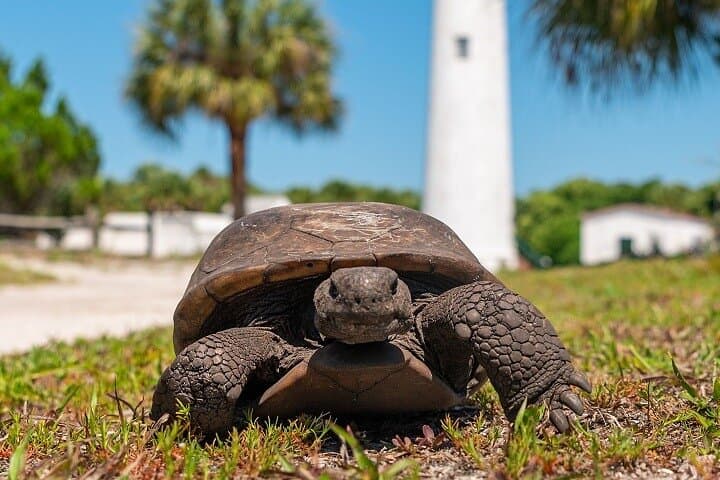
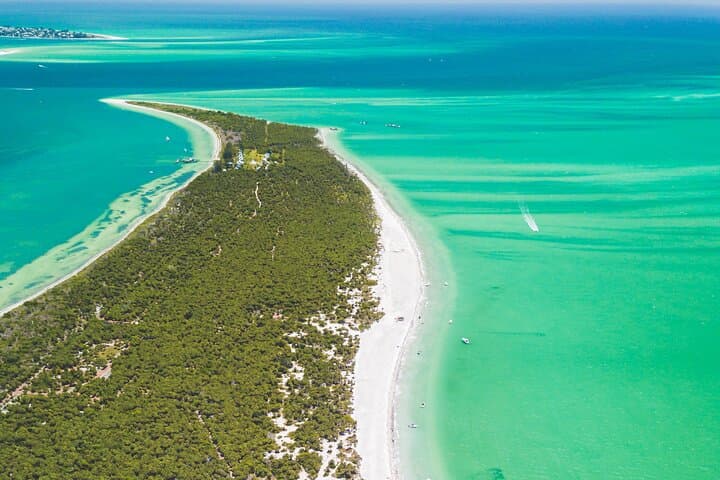
Egmont Key sits at Tampa Bay’s mouth, a barrier island formed from marine sands and currents. Fort Dade, built around the Spanish–American War era, stands as a weathered, hulking marker of the island’s military past while shell beds and dunes tell a longer geological story of shifting tides and shoals. The island is also an important refuge for nesting seabirds and a healthy population of gopher tortoises — animals with rights of way across the scrub.
On a typical visit you’ll have about three hours ashore: walking the hard-packed beach for rare olivella shells, wading clear flats, or exploring the crumbling fort and shaded paths. Snorkel trips sell board-side depending on conditions; water clarity and wind determine whether the reef shows fish and turtles.
Practical notes: arrive early for check-in at the Fort De Soto boat ramp, bring reef-safe sunscreen, and plan for sun and wind exposure. Bathrooms are available on the boat when docked; the island has limited facilities. Leave no trace, respect closed birding zones, and time your trip around tide and weather forecasts for the best experience.
easy.
4–5 hours.
Suitable for most fitness levels; involves short walks on sand and some wading
No — snorkeling is sold separately and depends on water clarity and weather; the crew will confirm availability day‑of.
Facilities are minimal; restrooms are available on the boat when docked but island amenities are limited—plan accordingly.
Service animals are allowed; pets are generally restricted on state islands to protect wildlife—confirm with the operator.
Full refunds are available if you cancel at least 24 hours before departure; trips may be canceled for bad weather.
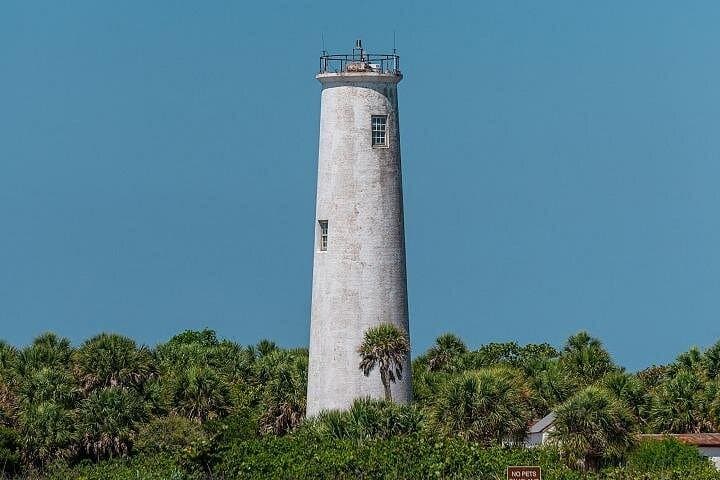
Egmont Key served as a Federal coastal defense site; Fort Dade was expanded around the Spanish–American War and its ruins remain a focal point of the island.
The island is a protected state park with active nesting bird closures and fragile dune systems—pack out all trash and avoid disturbing wildlife or burrows.
Hubbard's Marina operates guided outdoor trips and adventures with an emphasis on safety, stewardship, and memorable experiences.
You step onto the Hubbard’s Ferry and Florida’s air opens around you — salt on the breeze, gulls wheeling, the mainland shrinking to a ribbon of mangrove. The 45–60 minute run out of Fort De Soto feels like a slow reveal: dolphins cut curves in the wake, pelicans ride thermals, and the island’s low profile grows until the pale sweep of sand and the brick silhouette of Fort Dade resolve on the horizon.
You step onto the Hubbard’s Ferry and Florida’s air opens around you — salt on the breeze, gulls wheeling, the mainland shrinking to a ribbon of mangrove. The 45–60 minute run out of Fort De Soto feels like a slow reveal: dolphins cut curves in the wake, pelicans ride thermals, and the island’s low profile grows until the pale sweep of sand and the brick silhouette of Fort Dade resolve on the horizon.
Egmont Key sits at Tampa Bay’s mouth, a barrier island formed from marine sands and currents. Fort Dade, built around the Spanish–American War era, stands as a weathered, hulking marker of the island’s military past while shell beds and dunes tell a longer geological story of shifting tides and shoals. The island is also an important refuge for nesting seabirds and a healthy population of gopher tortoises — animals with rights of way across the scrub.
On a typical visit you’ll have about three hours ashore: walking the hard-packed beach for rare olivella shells, wading clear flats, or exploring the crumbling fort and shaded paths. Snorkel trips sell board-side depending on conditions; water clarity and wind determine whether the reef shows fish and turtles.
Practical notes: arrive early for check-in at the Fort De Soto boat ramp, bring reef-safe sunscreen, and plan for sun and wind exposure. Bathrooms are available on the boat when docked; the island has limited facilities. Leave no trace, respect closed birding zones, and time your trip around tide and weather forecasts for the best experience.