THE ADVENTURE COLLECTIVE® · Independent discovery and booking for outdoor travel

Glide silently above Amsterdam’s canals in an expert efoil clinic that teaches you to progress from belly to stand in a focused 40-minute session. Learn the technique, safety basics, and what to wear so you can float confidently on an electric hydrofoil.
Glide silently above Amsterdam’s canals in an expert efoil clinic that teaches you to progress from belly to stand in a focused 40-minute session. Learn the technique, safety basics, and what to wear so you can float confidently on an electric hydrofoil.
The board lifts like a quiet promise — barely a ripple at first, then the hull floats free and the city-slick water of Amsterdam peels away beneath an electric hum. In a 40-minute expert clinic you move from prone paddling to standing and finally to sustained flight, guided by an instructor who talks you through balance, throttle control, and safe dismounts.
Verified experiences and guided adventures in the surrounding area.
Operated by Flying Fish eFoil School · Amsterdam, North Holland
The board lifts like a quiet promise — barely a ripple at first, then the hull floats free and the city-slick water of Amsterdam peels away beneath an electric hum. In a 40-minute expert clinic you move from prone paddling to standing and finally to sustained flight, guided by an instructor who talks you through balance, throttle control, and safe dismounts.
Efoiling is a new chapter in centuries of Dutch watercraft innovation: windmills, canals, and shallow-keeled boats evolved into modern ways to read currents. Geology here is flat and marine—Reclaimed land and tidal influence shape the waterways, producing steady, protected sections ideal for electric hydrofoils. Culturally, Amsterdam mixes pragmatic engineering with a playful curiosity; local watersports communities are welcoming and safety-focused.
Expect compact launch zones, instructions on body position (belly, knees, stand), and short, coached runs rather than long-distance touring. Sessions emphasize progressive skill-building and risk management: helmets, impact vests, and an instructor on a support craft or nearby board.
Practical guidance: arrive 20–30 minutes early to sign waivers and get fitted; swimmers should be comfortable in open water and able to handle brief falls. Wear a wetsuit when temperatures dip below 18°C; in summer, a swimsuit and quick-dry layers work fine. Charge your energy, hydrate, and plan for short bursts of intense focus rather than a steady aerobic session. For novice riders, take a lesson first; for experienced boarders, the clinic sharpens foil control and lift technique. In short, this clinic gives you a safe, efficient path to the rare sensation of floating above Amsterdam’s water, powered by a silent motor and your own balancing act.
moderate.
40 minutes.
Moderate fitness — comfortable swimming ability, basic balance and core strength; expect short bursts of effort and quick recoveries
No — clinics cater to beginners and intermediate riders; instructors guide progression from prone to standing and provide one-on-one coaching.
Minimum age is 16 (younger with parental waiver in some cases); maximum recommended weight is 105 kg (riders above this assume additional risk).
Wetsuits are typically available for rent (operator fee applies); impact vest and helmet are included.
Sessions are cancelled for unsafe wind or water conditions; operators usually offer a full refund if cancelled at least 24 hours in advance or immediately for dangerous conditions.
The Netherlands’ canal network and water management history created sheltered urban waterways; modern electric foils are a contemporary addition to a long tradition of navigating shallow, engineered waters.
Operators typically emphasize minimal disturbance to wildlife and use electric propulsion to reduce noise and emissions; follow local rules to avoid nesting areas and shallow reedbeds.
Flying Fish eFoil School operates guided outdoor trips and adventures with an emphasis on safety, stewardship, and memorable experiences.
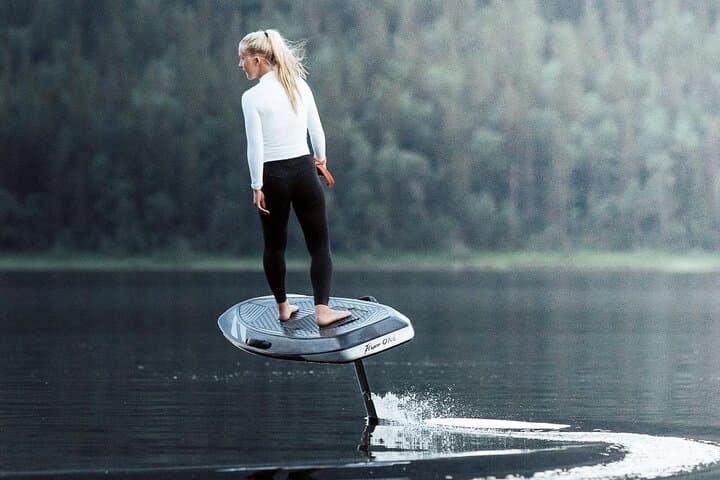
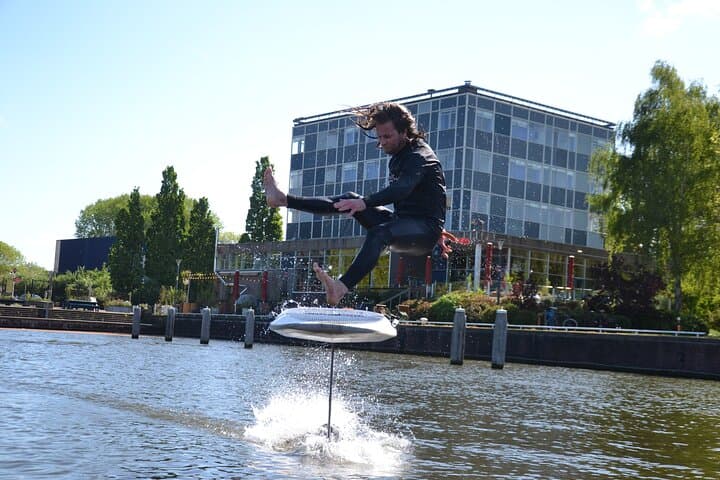
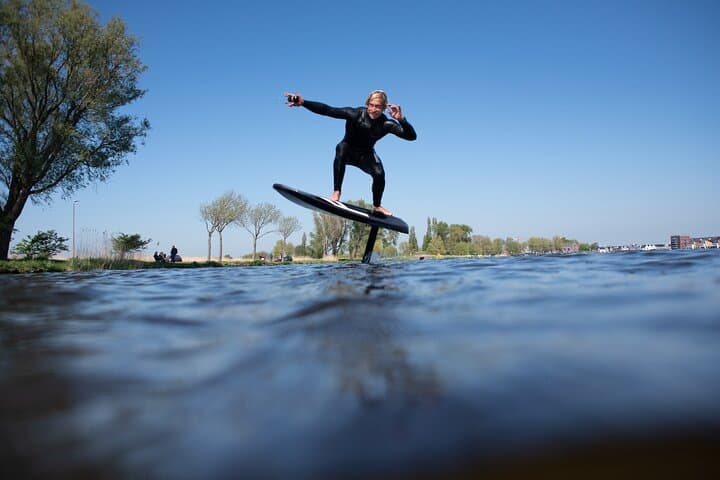
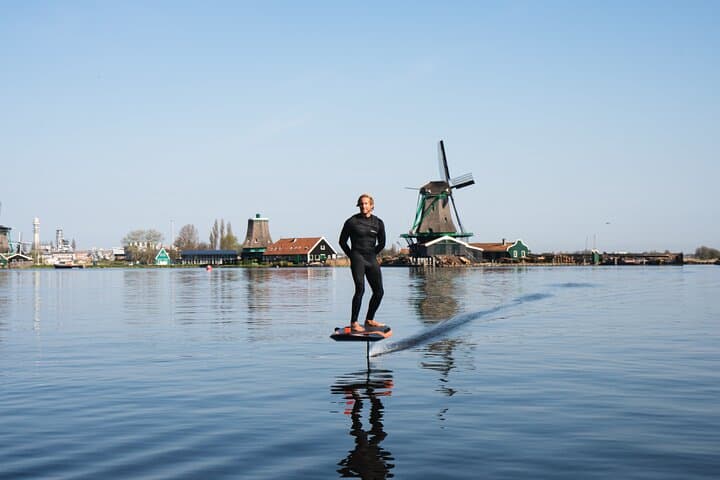
The board lifts like a quiet promise — barely a ripple at first, then the hull floats free and the city-slick water of Amsterdam peels away beneath an electric hum. In a 40-minute expert clinic you move from prone paddling to standing and finally to sustained flight, guided by an instructor who talks you through balance, throttle control, and safe dismounts.
The board lifts like a quiet promise — barely a ripple at first, then the hull floats free and the city-slick water of Amsterdam peels away beneath an electric hum. In a 40-minute expert clinic you move from prone paddling to standing and finally to sustained flight, guided by an instructor who talks you through balance, throttle control, and safe dismounts.
Efoiling is a new chapter in centuries of Dutch watercraft innovation: windmills, canals, and shallow-keeled boats evolved into modern ways to read currents. Geology here is flat and marine—Reclaimed land and tidal influence shape the waterways, producing steady, protected sections ideal for electric hydrofoils. Culturally, Amsterdam mixes pragmatic engineering with a playful curiosity; local watersports communities are welcoming and safety-focused.
Expect compact launch zones, instructions on body position (belly, knees, stand), and short, coached runs rather than long-distance touring. Sessions emphasize progressive skill-building and risk management: helmets, impact vests, and an instructor on a support craft or nearby board.
Practical guidance: arrive 20–30 minutes early to sign waivers and get fitted; swimmers should be comfortable in open water and able to handle brief falls. Wear a wetsuit when temperatures dip below 18°C; in summer, a swimsuit and quick-dry layers work fine. Charge your energy, hydrate, and plan for short bursts of intense focus rather than a steady aerobic session. For novice riders, take a lesson first; for experienced boarders, the clinic sharpens foil control and lift technique. In short, this clinic gives you a safe, efficient path to the rare sensation of floating above Amsterdam’s water, powered by a silent motor and your own balancing act.