THE ADVENTURE COLLECTIVE® · Independent discovery and booking for outdoor travel

Learn to ride an electric hydrofoil off Sanibel Island with guided two-hour lessons that prioritize safety and hands-on coaching. Expect calm morning conditions, wildlife sightings, and equipment provided for a compact, high-adrenaline way to explore Florida’s shallow Gulf waters.
Learn to ride an electric hydrofoil off Sanibel Island with guided two-hour lessons that prioritize safety and hands-on coaching. Expect calm morning conditions, wildlife sightings, and equipment provided for a compact, high-adrenaline way to explore Florida’s shallow Gulf waters.
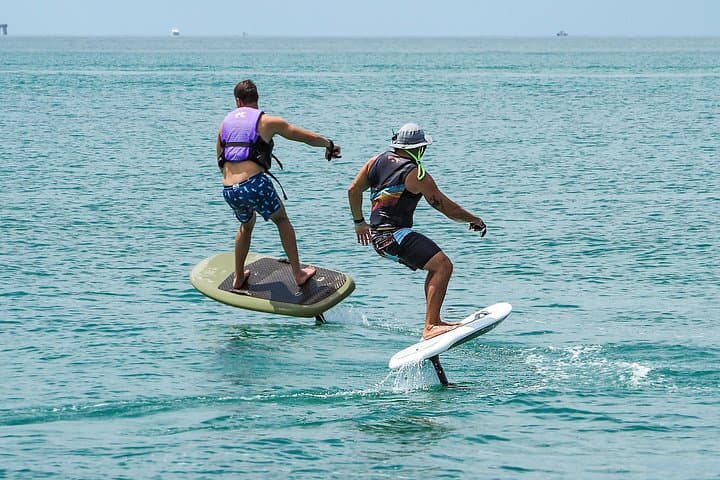
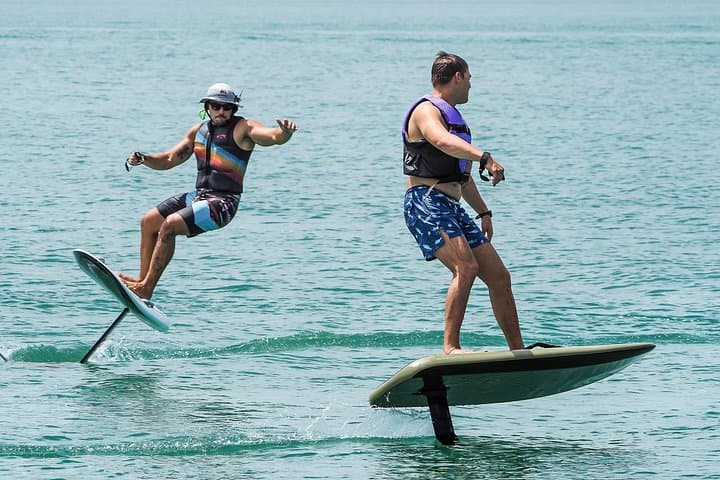
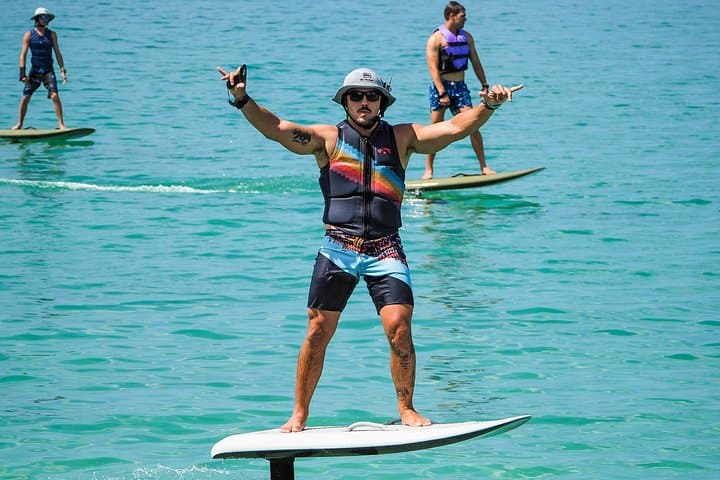
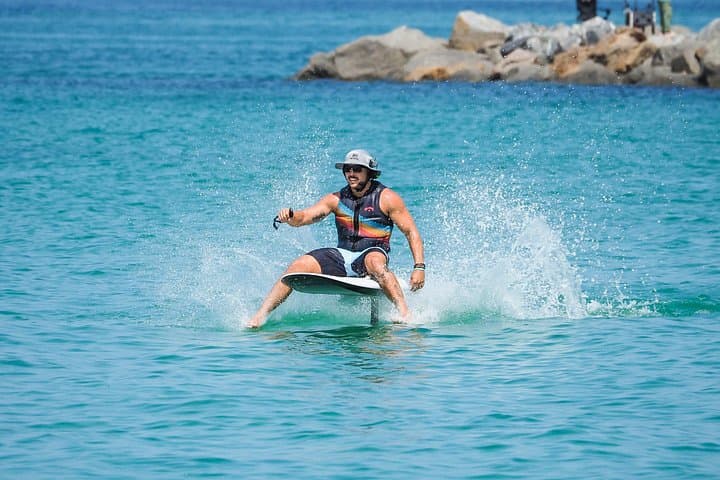
The sun sits low over the Gulf as your instructor clips a compact electric hydrofoil to a soft, stable board and asks you to step forward. Salt spray cools your face; mangroves stand like a green wall to the east while the broad horizon to the west dares you to glide. This is Sanibel — shallow, warm water framed by shell-strewn beaches and a coastline shaped by longshore currents.
Verified experiences and guided adventures in the surrounding area.
Operated by Rogue Waves · Sanibel, Florida
The sun sits low over the Gulf as your instructor clips a compact electric hydrofoil to a soft, stable board and asks you to step forward. Salt spray cools your face; mangroves stand like a green wall to the east while the broad horizon to the west dares you to glide. This is Sanibel — shallow, warm water framed by shell-strewn beaches and a coastline shaped by longshore currents.
The islands off Lee County are young in geological terms: sediments and shells deposited by tidal flows created barrier islands that now shelter seagrass meadows and tidal flats. The human story is recent but rich — fishermen, lighthouse keepers and shell collectors have long used these calm, productive waters. Today, efoiling slices quietly across the same channels, offering a new way to connect with wildlife like dolphins and foraging shorebirds without the noise of conventional motors.
Lessons here focus first on safety and buoyancy, then on balance and throttle control before you lift onto the foil. Expect hands-on coaching, equipment provided, and session pacing that moves from prone paddling to standing glides. Ideal conditions are glassy mornings with light wind; afternoons can bring chop and passing boats.
Practical tips: wear a snug life jacket, reef-safe sunscreen, and footwear that grips; bring a towel and quick-dry layers. If you have back or heart issues, skip it — instructors screen for health and weight limits. Book morning slots for calmer water and better wildlife sightings. With two hours of guided practice, even nervous beginners typically leave comfortable on the foil and hungry to explore more of Florida’s quietly electric coastline.
moderate.
2 hours.
Moderate fitness—comfortable swimming ability and basic balance recommended
No—lessons start on the board prone and progress to standing; instructors guide beginners through each step.
Yes—the efoil, board, and safety gear are provided as part of the lesson.
Sessions can be canceled for high winds or storms; the operator typically requires 24-hour cancellation for a full refund.
Yes—there are weight and health guidelines; people with certain heart, spinal, or pregnancy conditions should not participate.
Sanibel and nearby Captiva formed from shell and sand deposits shaped by Gulf currents; local history centers on fishing, lighthouse keeping, and shell collecting.
Stick to marked channels, use reef-safe sunscreen, and avoid disturbing seagrass beds—these habitats are essential nursery grounds for fish and manatees.
Rogue Waves operates guided outdoor trips and adventures with an emphasis on safety, stewardship, and memorable experiences.
The sun sits low over the Gulf as your instructor clips a compact electric hydrofoil to a soft, stable board and asks you to step forward. Salt spray cools your face; mangroves stand like a green wall to the east while the broad horizon to the west dares you to glide. This is Sanibel — shallow, warm water framed by shell-strewn beaches and a coastline shaped by longshore currents.
The sun sits low over the Gulf as your instructor clips a compact electric hydrofoil to a soft, stable board and asks you to step forward. Salt spray cools your face; mangroves stand like a green wall to the east while the broad horizon to the west dares you to glide. This is Sanibel — shallow, warm water framed by shell-strewn beaches and a coastline shaped by longshore currents.
The islands off Lee County are young in geological terms: sediments and shells deposited by tidal flows created barrier islands that now shelter seagrass meadows and tidal flats. The human story is recent but rich — fishermen, lighthouse keepers and shell collectors have long used these calm, productive waters. Today, efoiling slices quietly across the same channels, offering a new way to connect with wildlife like dolphins and foraging shorebirds without the noise of conventional motors.
Lessons here focus first on safety and buoyancy, then on balance and throttle control before you lift onto the foil. Expect hands-on coaching, equipment provided, and session pacing that moves from prone paddling to standing glides. Ideal conditions are glassy mornings with light wind; afternoons can bring chop and passing boats.
Practical tips: wear a snug life jacket, reef-safe sunscreen, and footwear that grips; bring a towel and quick-dry layers. If you have back or heart issues, skip it — instructors screen for health and weight limits. Book morning slots for calmer water and better wildlife sightings. With two hours of guided practice, even nervous beginners typically leave comfortable on the foil and hungry to explore more of Florida’s quietly electric coastline.