THE ADVENTURE COLLECTIVE® · Independent discovery and booking for outdoor travel

Fly above Biscayne Bay on an eFoil in a guided 90-minute session designed for beginners. Expect calm-water coaching, staged land drills, and quick progress from prone starts to quiet, hovering glides.
Fly above Biscayne Bay on an eFoil in a guided 90-minute session designed for beginners. Expect calm-water coaching, staged land drills, and quick progress from prone starts to quiet, hovering glides.
The bay opens like a sheet of glass at first light, the Miami skyline a low horizon that seems to lean in to watch you learn. On an eFoil, the water stops being a surface and becomes a runway: you start prone, then push up into a standing glide and, within minutes, the board lifts and the motor tucks you above the wavelets. Instructors keep a calm, technical eye on balance and throttle so beginners spend more time flying than floundering.
Verified experiences and guided adventures in the surrounding area.
Operated by Miami Watersports LCC · Miami, Florida
The bay opens like a sheet of glass at first light, the Miami skyline a low horizon that seems to lean in to watch you learn. On an eFoil, the water stops being a surface and becomes a runway: you start prone, then push up into a standing glide and, within minutes, the board lifts and the motor tucks you above the wavelets. Instructors keep a calm, technical eye on balance and throttle so beginners spend more time flying than floundering.
Biscayne Bay is shallow and warm, its channels carved by river outflow and coastal currents over millennia. The area’s maritime history runs from Indigenous canoe routes through early shipping lanes to the recreational culture that defines Miami today—where motorboats, paddleboards and now electric hydrofoils share the water under regulated speed zones.
Expect guided one-on-one coaching, a safety briefing, and staged land drills before you head out. The typical session lasts 90 minutes, with actual water time shorter depending on conditions and student progress. Wind and chop matter: calm mornings are best for first-time foilers, while afternoons can build chop and boat traffic.
Practical tips: wear quick-dry clothing and a leashless setup, hydrate ahead of the session, and follow your coach’s instructions on throttle control. Be mindful of local no-wake areas and seagrass beds to protect marine life; manatee zones are enforced seasonally. For a smooth learning curve, arrive early to catch the glassy bay and plan photos from the shore once you’re comfortable on the foil.
moderate.
1–2 hours.
Good balance and moderate fitness; able to rise from prone to standing and handle brief falls into water.
No—most operators provide land-based training and one-on-one coaching so beginners can progress safely.
Policies vary; many vendors set minimum ages around 12–14 and weight limits tied to board capacity—check with the provider before booking.
Sessions are typically canceled for high winds, heavy rain, or unsafe chop; most operators offer refunds or rescheduling if canceled due to weather.
Not while on the foil for safety reasons; bring a waterproof case onshore and have a partner capture photos from the beach or boat.
Biscayne Bay’s shoreline has long been a working maritime landscape—Indigenous canoe routes and later shipping lanes shaped the bay before it became Miami’s recreational playground.
Seagrass beds and manatee habitats are sensitive; operators and riders should avoid shallow grass, obey marked protection zones, and minimize throttle near wildlife.
Miami Watersports LCC operates guided outdoor trips and adventures with an emphasis on safety, stewardship, and memorable experiences.
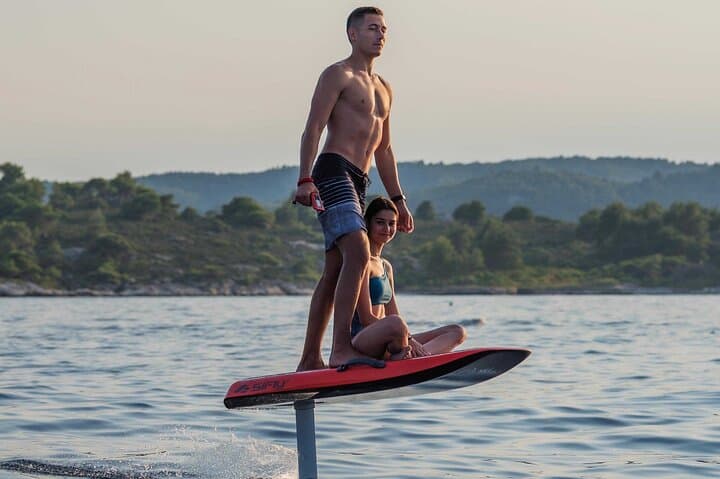
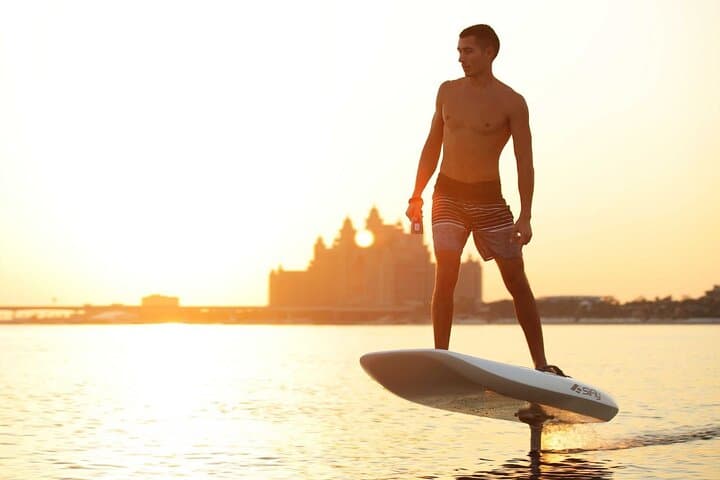
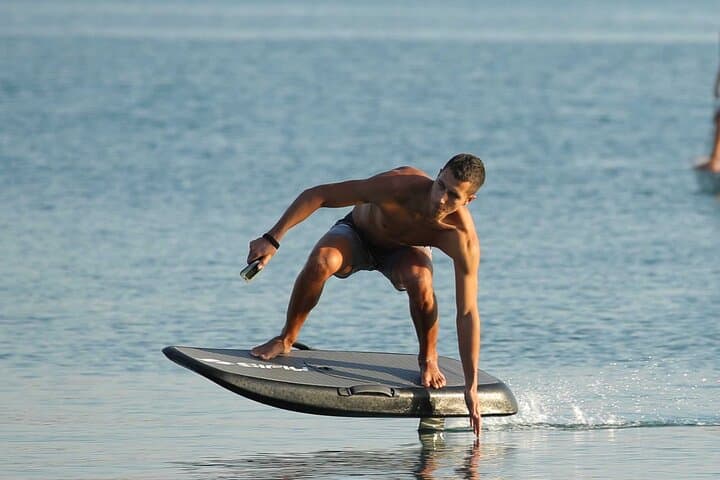
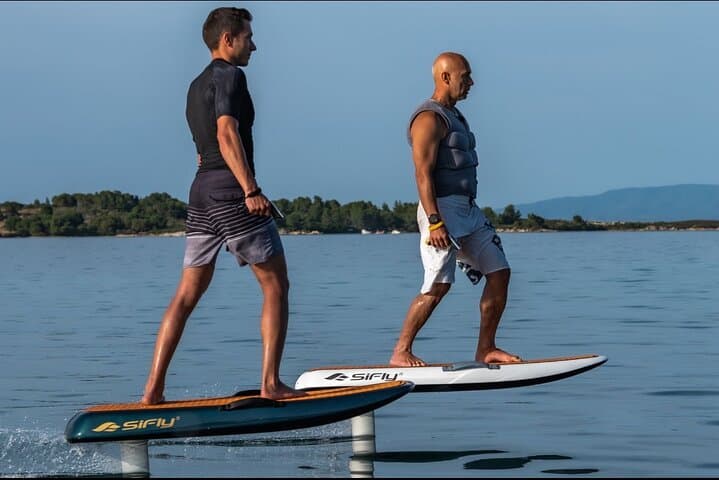
The bay opens like a sheet of glass at first light, the Miami skyline a low horizon that seems to lean in to watch you learn. On an eFoil, the water stops being a surface and becomes a runway: you start prone, then push up into a standing glide and, within minutes, the board lifts and the motor tucks you above the wavelets. Instructors keep a calm, technical eye on balance and throttle so beginners spend more time flying than floundering.
The bay opens like a sheet of glass at first light, the Miami skyline a low horizon that seems to lean in to watch you learn. On an eFoil, the water stops being a surface and becomes a runway: you start prone, then push up into a standing glide and, within minutes, the board lifts and the motor tucks you above the wavelets. Instructors keep a calm, technical eye on balance and throttle so beginners spend more time flying than floundering.
Biscayne Bay is shallow and warm, its channels carved by river outflow and coastal currents over millennia. The area’s maritime history runs from Indigenous canoe routes through early shipping lanes to the recreational culture that defines Miami today—where motorboats, paddleboards and now electric hydrofoils share the water under regulated speed zones.
Expect guided one-on-one coaching, a safety briefing, and staged land drills before you head out. The typical session lasts 90 minutes, with actual water time shorter depending on conditions and student progress. Wind and chop matter: calm mornings are best for first-time foilers, while afternoons can build chop and boat traffic.
Practical tips: wear quick-dry clothing and a leashless setup, hydrate ahead of the session, and follow your coach’s instructions on throttle control. Be mindful of local no-wake areas and seagrass beds to protect marine life; manatee zones are enforced seasonally. For a smooth learning curve, arrive early to catch the glassy bay and plan photos from the shore once you’re comfortable on the foil.