THE ADVENTURE COLLECTIVE® · Independent discovery and booking for outdoor travel

Spend a day from Edinburgh visiting two contrasting distilleries—Glengoyne’s hill-side copper stills and Deanston’s industrial-scale operation—framed by the dramatic shores of Loch Lomond. Small-group tastings, guided tours and scenic stops make this a practical immersion in Scotch whisky and the landscape that shapes it.
Spend a day from Edinburgh visiting two contrasting distilleries—Glengoyne’s hill-side copper stills and Deanston’s industrial-scale operation—framed by the dramatic shores of Loch Lomond. Small-group tastings, guided tours and scenic stops make this a practical immersion in Scotch whisky and the landscape that shapes it.
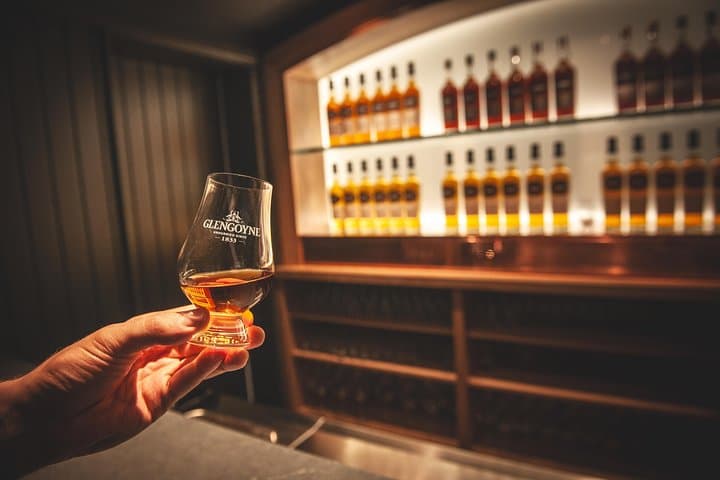
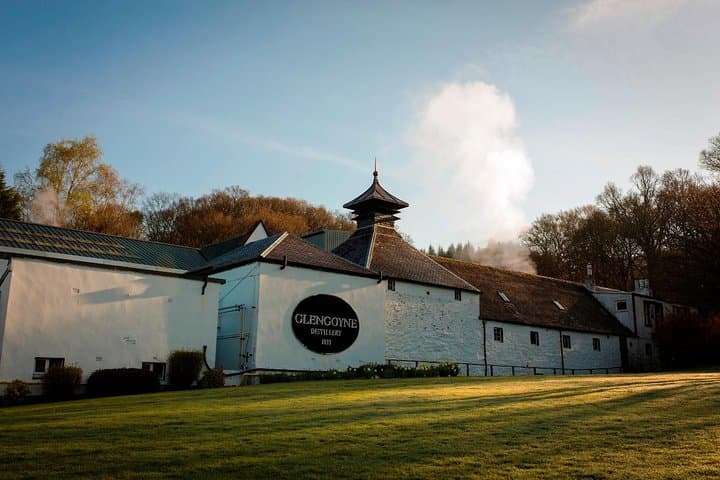
The bus peels away from St Andrew Square and the city’s stone facades slip behind you as the road climbs toward glens and lochs. By mid-morning you’re standing at Glengoyne, a small distillery pressed against the lower slopes of the Campsie Fells; copper stills huff and the peat-scented air dares you to take a deeper breath.
Verified experiences and guided adventures in the surrounding area.
Operated by Rabbies Trail Burners · Edinburgh, Scotland
The bus peels away from St Andrew Square and the city’s stone facades slip behind you as the road climbs toward glens and lochs. By mid-morning you’re standing at Glengoyne, a small distillery pressed against the lower slopes of the Campsie Fells; copper stills huff and the peat-scented air dares you to take a deeper breath.
This tour stitches together two very different chapters of Scottish distilling. Glengoyne’s lowland malts lean on gentle air-dried malting and hand-finished casks, while Deanston traces an industrial arc—an old cotton mill repurposed into a distillery that generates its own power. Between them the route skirts Loch Lomond and the edges of the National Park, where glacial valleys and exposed schists tell a geological story of ice and uplift that shaped Scotland’s drinking waters.
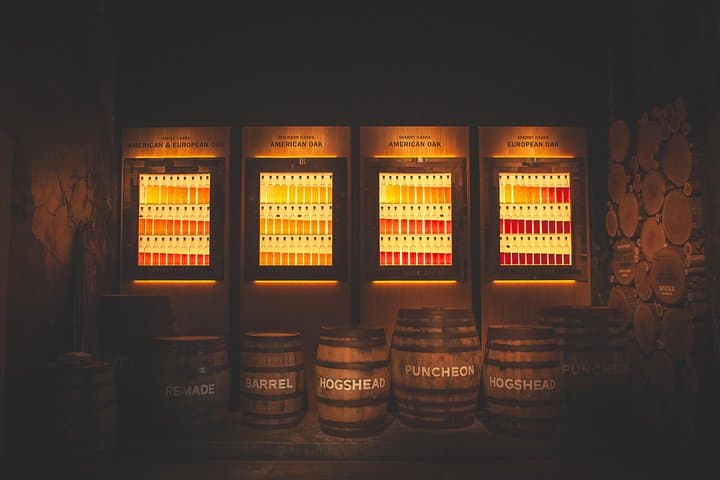
Culturally, whisky is both craft and community here: tasting rooms that teach you about yeast, spirit cuts and maturation, and how local barley and water flavors a dram.
Practicalities are straightforward. The day runs roughly nine hours, departing from Edinburgh Bus Station—check-in closes 15 minutes before departure. Small groups (max 16) make for more time with guides and tastings; a valid photo ID is required and the minimum age is 18. Dress in layers for changeable weather, bring a reusable bottle, and expect walking on uneven distillery floors and loch viewpoints. Photography is welcome, but let the guide know during tastings. This is a relaxed, informative day—part landscape tour, part tasting masterclass—best suited to travelers who want whisky context as much as a dram in the hands-on moment.
easy.
9 hours.
Suitable for most fitness levels—expect short walks on uneven distillery floors and brief outdoor photo stops.
The tour departs from inside Edinburgh Bus Station at Gates J and K, St Andrew Square; it returns to the same location at the end of the day.
Yes—admission and two drams at Glengoyne and two drams at Deanston are included in the price, along with guided tours at each site.
Yes—the minimum age is 18 and a valid photo ID is required to participate in tastings.
Yes—distilleries sometimes restrict access to the still house during maintenance or 'silent' seasons; the guide will adjust the itinerary and extend other areas like warehouses or tasting time when needed.
Scotch whisky production grew from small farm distilling into a national industry; Deanston itself repurposes a 19th-century cotton mill, reflecting Scotland’s industrial shift into spirits.
Distilleries increasingly focus on sustainability—water stewardship and energy reuse are common efforts—so follow on-site guidance and avoid single-use plastics where possible.
Rabbies Trail Burners operates guided outdoor trips and adventures with an emphasis on safety, stewardship, and memorable experiences.

The bus peels away from St Andrew Square and the city’s stone facades slip behind you as the road climbs toward glens and lochs. By mid-morning you’re standing at Glengoyne, a small distillery pressed against the lower slopes of the Campsie Fells; copper stills huff and the peat-scented air dares you to take a deeper breath.
The bus peels away from St Andrew Square and the city’s stone facades slip behind you as the road climbs toward glens and lochs. By mid-morning you’re standing at Glengoyne, a small distillery pressed against the lower slopes of the Campsie Fells; copper stills huff and the peat-scented air dares you to take a deeper breath.
This tour stitches together two very different chapters of Scottish distilling. Glengoyne’s lowland malts lean on gentle air-dried malting and hand-finished casks, while Deanston traces an industrial arc—an old cotton mill repurposed into a distillery that generates its own power. Between them the route skirts Loch Lomond and the edges of the National Park, where glacial valleys and exposed schists tell a geological story of ice and uplift that shaped Scotland’s drinking waters.
Culturally, whisky is both craft and community here: tasting rooms that teach you about yeast, spirit cuts and maturation, and how local barley and water flavors a dram.
Practicalities are straightforward. The day runs roughly nine hours, departing from Edinburgh Bus Station—check-in closes 15 minutes before departure. Small groups (max 16) make for more time with guides and tastings; a valid photo ID is required and the minimum age is 18. Dress in layers for changeable weather, bring a reusable bottle, and expect walking on uneven distillery floors and loch viewpoints. Photography is welcome, but let the guide know during tastings. This is a relaxed, informative day—part landscape tour, part tasting masterclass—best suited to travelers who want whisky context as much as a dram in the hands-on moment.