THE ADVENTURE COLLECTIVE® · Independent discovery and booking for outdoor travel

Visit Jebel Fihrayn—the famed Edge of the World—on a full-day trip from Riyadh. Expect dramatic escarpments, short rim walks, and guided insights into the area’s geology and caravan history.
Visit Jebel Fihrayn—the famed Edge of the World—on a full-day trip from Riyadh. Expect dramatic escarpments, short rim walks, and guided insights into the area’s geology and caravan history.
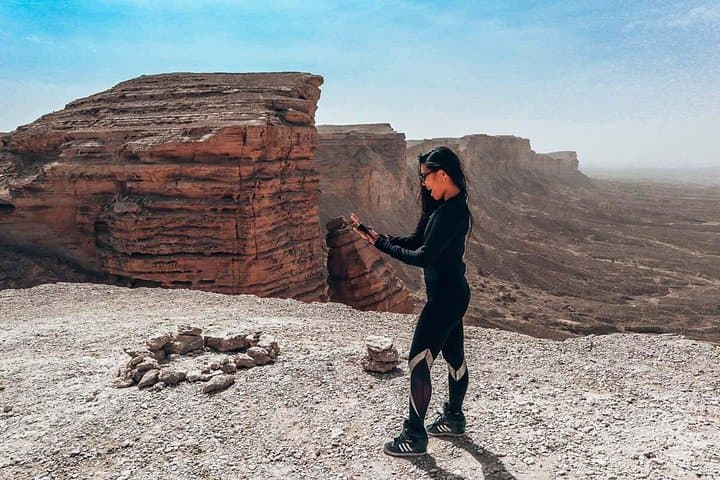
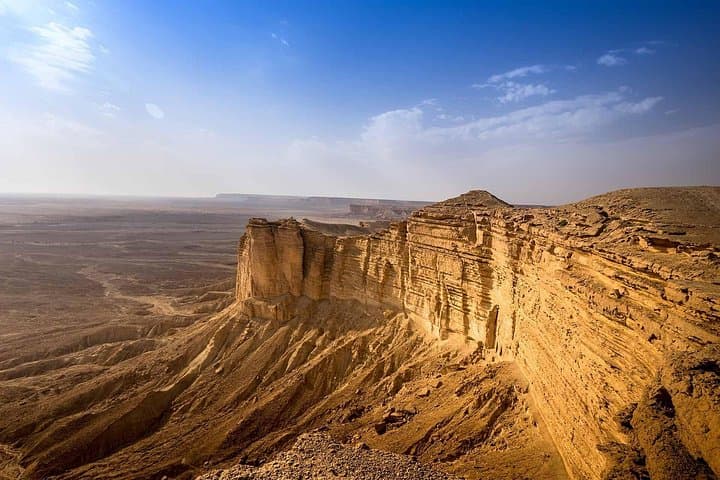
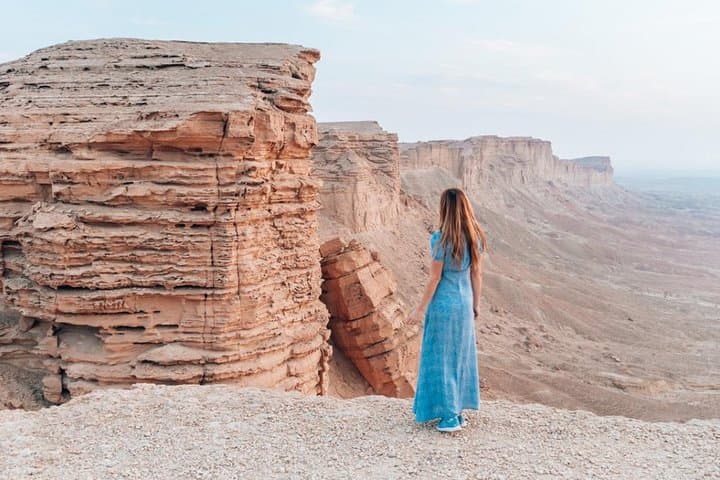
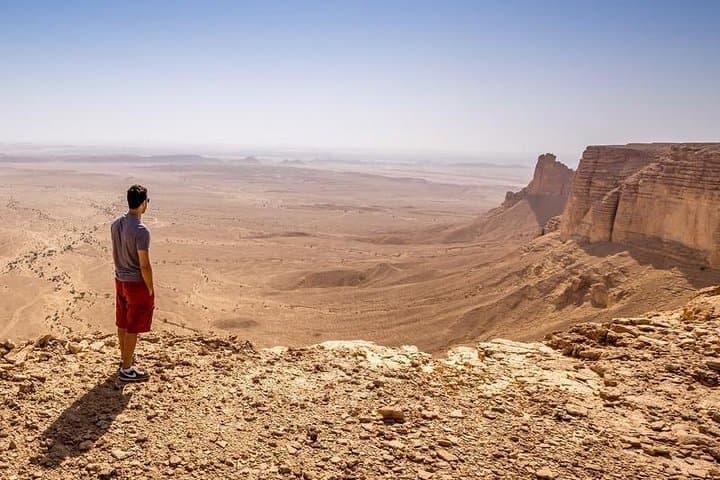
The wind cuts across the plateau before you even see the cliff: dust skates along low shrubs and the horizon opens like a deliberate void. Standing on Jebel Fihrayn’s escarpment—the so-called Edge of the World—you can feel the desert’s scale; the land drops away in layered bands of rock and ancient seabed, and the sky seems to push outward toward forever.
Verified experiences and guided adventures in the surrounding area.
Operated by TourDragon - Saudi Arabia Tours · Riyadh, Riyadh Province
The wind cuts across the plateau before you even see the cliff: dust skates along low shrubs and the horizon opens like a deliberate void. Standing on Jebel Fihrayn’s escarpment—the so-called Edge of the World—you can feel the desert’s scale; the land drops away in layered bands of rock and ancient seabed, and the sky seems to push outward toward forever.
Geologically, this escarpment is part of the Tuwaiq Formation, a long limestone and sandstone wall formed over millions of years and once under a shallow sea. Historically the corridor beneath the cliffs held caravan routes; you may spot camels tracing those same lines today. Cultural notes arrive in small ways: the language of Bedouin place names, roadside tea stops, and drivers who know the safest vantage points.
On this full-day outing from Riyadh (about 1.5–2 hours’ drive each way), expect multiple stops for viewpoints and short walks along the rim; some led commentary explains local geology and sightlines. The terrain is mostly compact desert and rocky ledges—firm footing but exposed edges.
Practical guidance: go early for cooler light and fewer crowds, carry at least 2 liters of water, use sun protection, and wear sturdy shoes with good grip for scrambling near the cliff edge. Mobile signal is intermittent; follow your guide’s safety briefings and keep a safe distance from the precipice. The reward is elemental: wide vistas, rust-colored strata, and the rare quiet of open desert that feels peculiarly alive.
moderate.
6–7 hours.
Suitable for anyone comfortable with short walks and standing on exposed ledges; not strenuous but requires balance.
The tour drives roughly 120 km round-trip; expect about 1.5–2 hours each way depending on traffic and route.
No technical hiking is required—short walks on mostly flat or gently rocky terrain—but there are exposed cliff edges and uneven surfaces.
You can reach the area independently, but guided tours provide safer access, local knowledge, and transport; private vehicles should follow marked routes and local regulations.
There are no permanent facilities at the escarpment; many tours include a lunch stop at a nearby restaurant or picnic brought by the operator.
The escarpment forms part of the Tuwaiq mountain range; its cliffs once shadowed caravan routes that moved goods across the peninsula.
This is a fragile desert environment—stay on established tracks, pack out waste, and avoid collecting rocks or fossils to minimize impact.
TourDragon - Saudi Arabia Tours operates guided outdoor trips and adventures with an emphasis on safety, stewardship, and memorable experiences.
The wind cuts across the plateau before you even see the cliff: dust skates along low shrubs and the horizon opens like a deliberate void. Standing on Jebel Fihrayn’s escarpment—the so-called Edge of the World—you can feel the desert’s scale; the land drops away in layered bands of rock and ancient seabed, and the sky seems to push outward toward forever.
The wind cuts across the plateau before you even see the cliff: dust skates along low shrubs and the horizon opens like a deliberate void. Standing on Jebel Fihrayn’s escarpment—the so-called Edge of the World—you can feel the desert’s scale; the land drops away in layered bands of rock and ancient seabed, and the sky seems to push outward toward forever.
Geologically, this escarpment is part of the Tuwaiq Formation, a long limestone and sandstone wall formed over millions of years and once under a shallow sea. Historically the corridor beneath the cliffs held caravan routes; you may spot camels tracing those same lines today. Cultural notes arrive in small ways: the language of Bedouin place names, roadside tea stops, and drivers who know the safest vantage points.
On this full-day outing from Riyadh (about 1.5–2 hours’ drive each way), expect multiple stops for viewpoints and short walks along the rim; some led commentary explains local geology and sightlines. The terrain is mostly compact desert and rocky ledges—firm footing but exposed edges.
Practical guidance: go early for cooler light and fewer crowds, carry at least 2 liters of water, use sun protection, and wear sturdy shoes with good grip for scrambling near the cliff edge. Mobile signal is intermittent; follow your guide’s safety briefings and keep a safe distance from the precipice. The reward is elemental: wide vistas, rust-colored strata, and the rare quiet of open desert that feels peculiarly alive.